Zen and the Art of DIY Motorcycle Maintenance #01 …

Front Brake – What Front Brake? (Part 1)

Motorcycling is in my blood [ RIP Dad – A Truly Great Father ] and because of motorcycles I’ve literally spilled many pints of blood [ Conscious Throughout ] My Dad passed the DNA and the bug to me in 1976 aged 15. My younger brother then aged 10 also caught the bug and eventually carried on the motorcycling tradition for far longer than myself. I rode on and off from age 15 to 40, all weathers, commuting on various ‘hack bikes’ while pampering and saving the main bike for dry (mainly) runs out for the sheer joy of riding. My brother recently bought a new 2023 Triumph 765 Street Triple R, a two wheeled sculpture if ever there was such a thing. The Street Triple was to join his stable of bikes alongside his classic Triumph Daytona 1200, and another classic, the Honda CB250 RSA you see below. The little Honda was his ‘hack bike’ back in the day, not used since 2010 and carefully stored, dry and covered in our Dad’s old garage. That garage is a shrine to our dear father, not really disturbed since his sad passing in 2016.

So the Street Triple needed room, the garage needs sorting but both my brother and I are dreading the day we have to disturb our Dad’s workshop and birthplace to so much of his woodwork creativity, and so many precious memories. The motorcycling bug never dies, although I myself have not ridden for over 20 years, the pull has always been there and watching the wonderful Allen Millyard‘s YouTube channel has fed my interest in the mean time, and when my brother suggested I take custody of his little classic Honda and get her back on the road I jumped at the chance!

What follows is a pictorial account with description of the 1st phase of that restoration – The missing Front Brake …
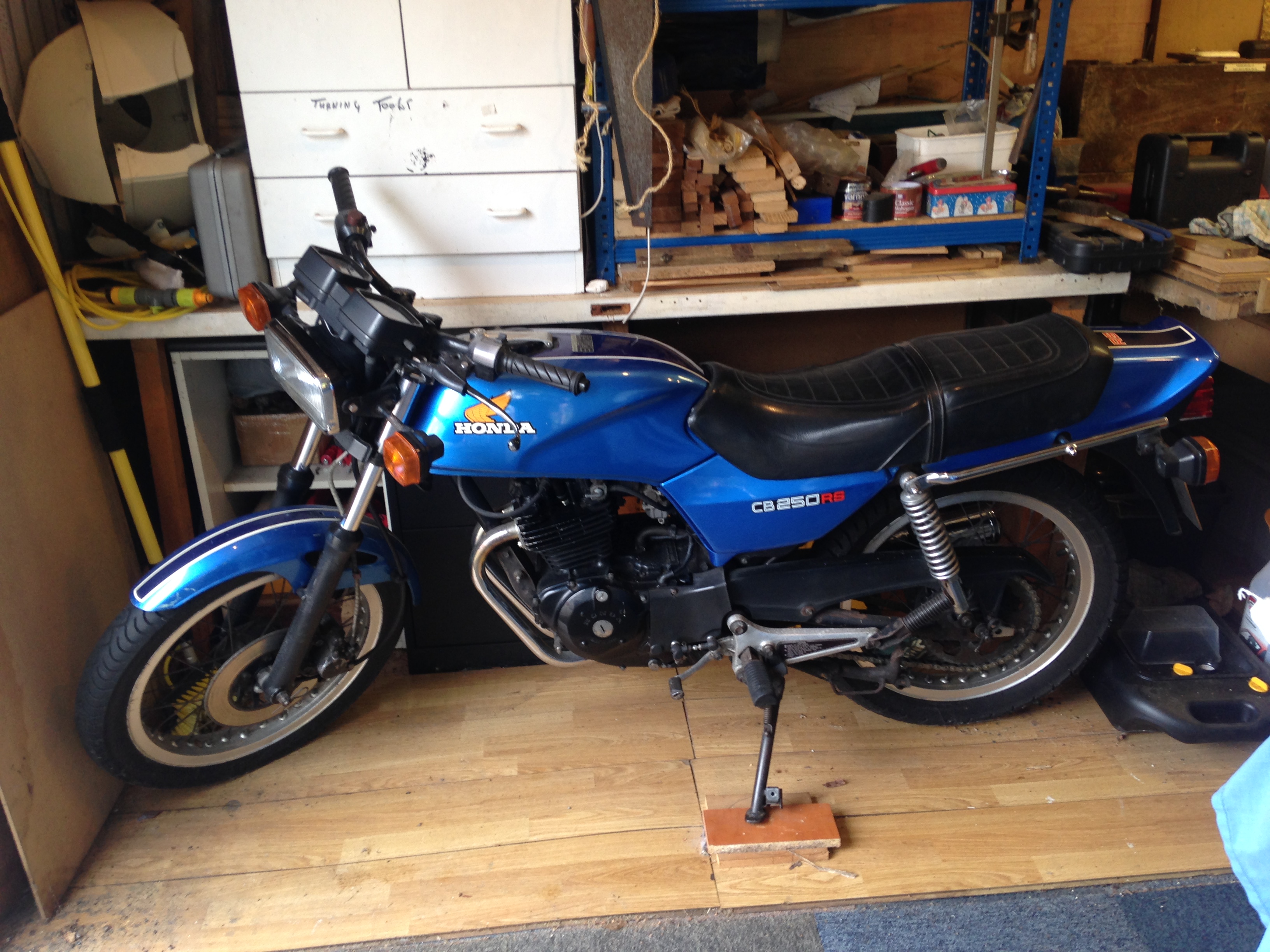
So here she is, a 1983 Honda CB 250 RSA. All standard apart from the exhaust which is now a Motad 2-into-1 system. Seen here still in Dad’s garage/workshop ready for a 60 mile ride in the back of my brother’s van to me for some new parts to get her roadworthy again.
View from the seat, 51,000 miles on the clock, note the missing front brake lever/reservoir/master cylinder.
One last view from the front before loading onto the van. A fine looking little motorcycle!
And here she is on my drive (excuse the car/clutter in the background!
1st job was to replace the front brake lever assembly. Note the new unit in the background against the original in the foreground. The whole brake lever unit was supplied by David Silver Spares who are Honda specialists, especially classic models like this 1983 CB 250 RSA – 40 Years Old!
New unit came with new hydraulic ‘banjo’ clamping bolt (right) I needed to re-use the 2 copper washers (seen on the original bolt left) So …
… I gave them a light clean with fine emery cloth and made a makeshift ‘annealing jig’ out of an old nail!
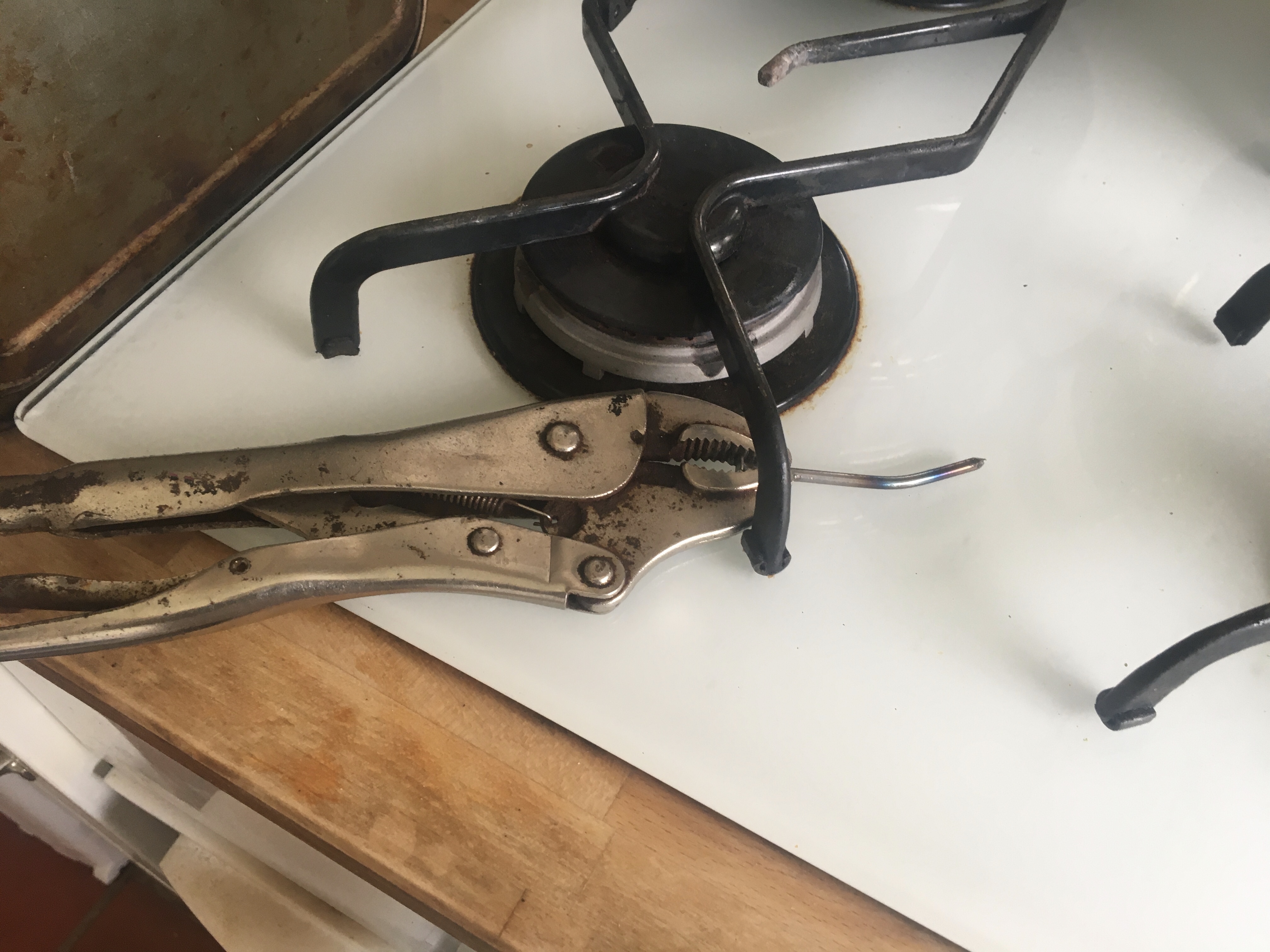
Then into the kitchen with the nail clamped in mole grips to hook the 2 washers and heat over the gas hob until cherry red before plunging in cold water.
Here are the 2 annealed washers assembled on the new bolt and brake lever unit ready for tightening.
And here it is fitted, hydraulic banjo bolt & washers tightened, rubber boot fitted. And also the new David Silver supplied brake lever assembly included an inbuilt brake light micro switch (which the original did not) The wiring however was there and just needed connecting! We think this is the first time in this bike’s 40 year life that the brake/stop light has worked for the front brake!
Here’s the brand new front brake hydraulic fluid reservoir squeaky clean and ready for DOT 4 brake fluid also supplied by David Silver Spares …. BUT!!

So. I made my first rusty mechanic’s mistake here! I proceeded to fill the reservoir, and bleed the system via the brake caliper bleed nipple/drain tube etc. All Good. But it wasn’t! something was wrong and it soon became apparent that the calliper/piston/sliding half was seized! Stupid oversight, I should have stripped & inspected the brake calliper on a 40 year old bike that hadn’t been ridden since 2011!

Why ‘Zen’?

There’s a stand out section for me in the book Zen and the Art of Motorcycle Maintenance, and it is the part where the author describes making, or proposing to make makeshift ‘shims’ for his friends John and Sylvia Sutherland’s new and exclusively dealer serviced BMW motorcycle. Pirsig tries to explain how shims made from a discarded Coca-Cola can would be perfectly adequate and functionally identical to those fitted by the BMW Dealer’s mechanics at exorbitant costs. John Sutherland could not see this or be convinced, so programmed was he that only the main dealer has the expertise, equipment and materials to carry out such a task.

“In the book, the narrator describes the “romantic” approach to life of his friend, John Sutherland, who chooses not to learn how to maintain his expensive new motorcycle. John simply hopes for the best with his bike, and when problems do occur he often becomes frustrated and is forced to rely on professional mechanics to repair it. In contrast, the “classical” narrator has an older motorcycle which he is usually able to diagnose and repair himself through the use of rational problem-solving skills.”

End of Part 1.

Thank you for reading.

Part 2 Part 3 Part 4 Part 5 Part 6 Part 7

Zen and the Art of DIY Car Maintenance #03 …

There’s a stand out section for me in the book Zen and the Art of Motorcycle Maintenance, and it is the part where the author describes making, or proposing to make makeshift ‘shims’ for his friends John and Sylvia Sutherland’s new and exclusively dealer serviced BMW motorcycle. Pirsig tries to explain how shims made from a discarded Coca-Cola can would be perfectly adequate and functionally identical to those fitted by the BMW Dealer’s mechanics at exorbitant costs. John Sutherland could not see this or be convinced, so programmed was he that only the main dealer has the expertise, equipment and materials to carry out such a task.

“In the book, the narrator describes the “romantic” approach to life of his friend, John Sutherland, who chooses not to learn how to maintain his expensive new motorcycle. John simply hopes for the best with his bike, and when problems do occur he often becomes frustrated and is forced to rely on professional mechanics to repair it. In contrast, the “classical” narrator has an older motorcycle which he is usually able to diagnose and repair himself through the use of rational problem-solving skills.”

So, what has this got to do with the 3 old cars in my family you may ask? A short time ago I wrote about the dreaded ‘Engine Fault’ light, cheap DIY diagnostic tools and repairing the EGR Valve. In that post I discovered and pointed out a missing ‘gasket’, missing for several years it turns out, omitted by accident or through lack of care by a ‘reputable’ local garage of self proclaimed ‘Motor Engineers’. At the time, needing the car back on the road and concluding that one more week running minus the gasket while I source a replacement can’t do that much harm, I re-assembled, tested and had the car back on the road.

At the end of that previous post I even screen shot an image of the replacement gasket I’d found and ordered for what I considered quite a hefty price of £9.99! Anyway, gasket arrived but car was busy until this last Sunday when both car was available and weather favourable (yes I’m a wimp and have to work outside) for fitment, 1/2 hour, maybe one hour max? – Wrong! See below;

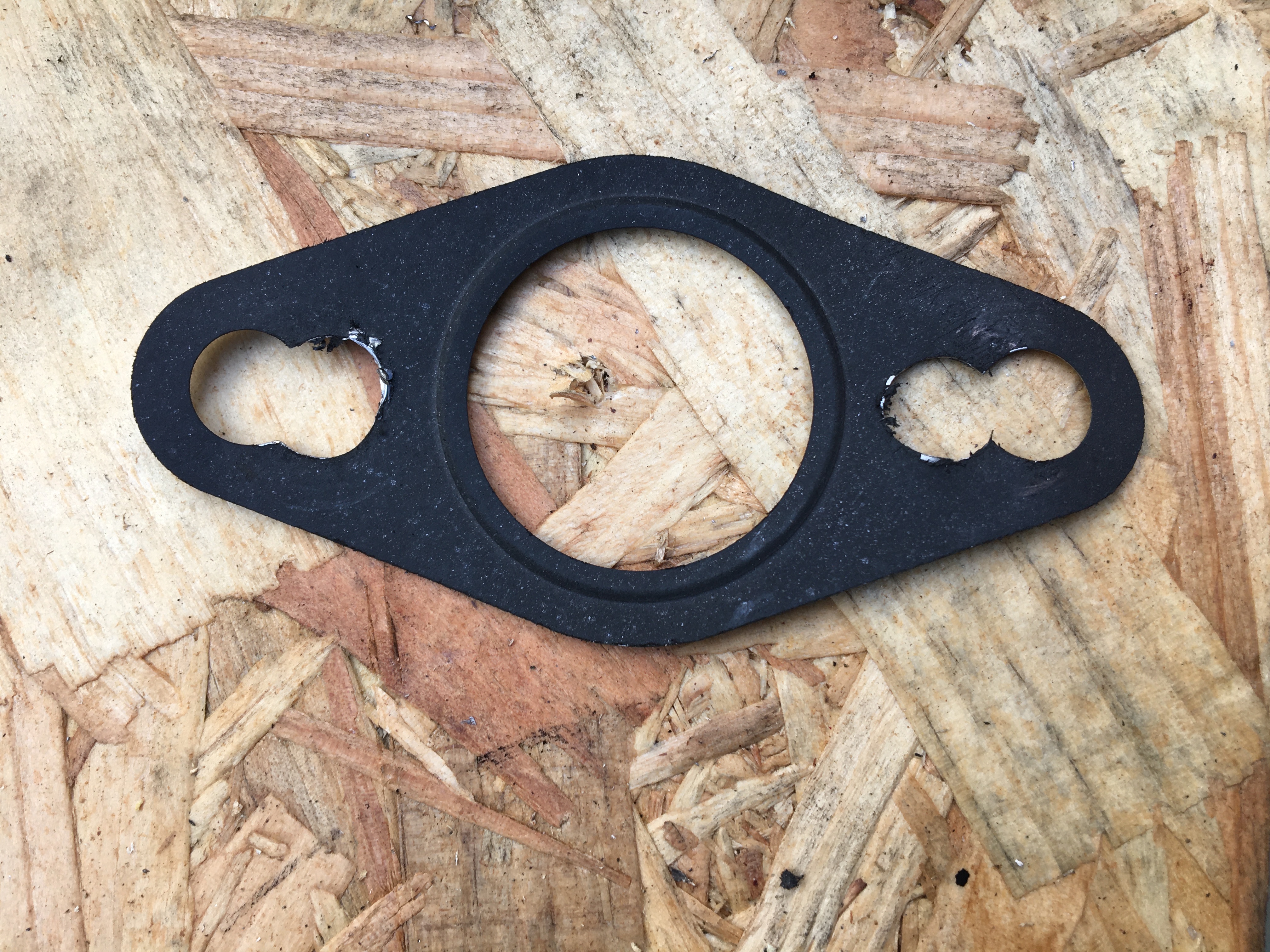
Spot the problem?
Gasket is the right material, thickness and most importantly – the centre hole diameter is correct. The problem is the pitch of the 2 outside holes which the clamping bolts pass through. In fact this gasket is correct for the other end of the connecting manifold, I ordered wrong, my bad!
I set about improvising a clamping arrangement to locate the gasket in the correct position so that I could use the clear bolt hole as a makeshift ‘jig’ and re-drill the clamping hole.
The gasket is in fact steel with some sort of sealing/fibre coating. Here it is after successfully re-drilling and re-positioning the first bolt clearance hole, 8.5mm diameter.
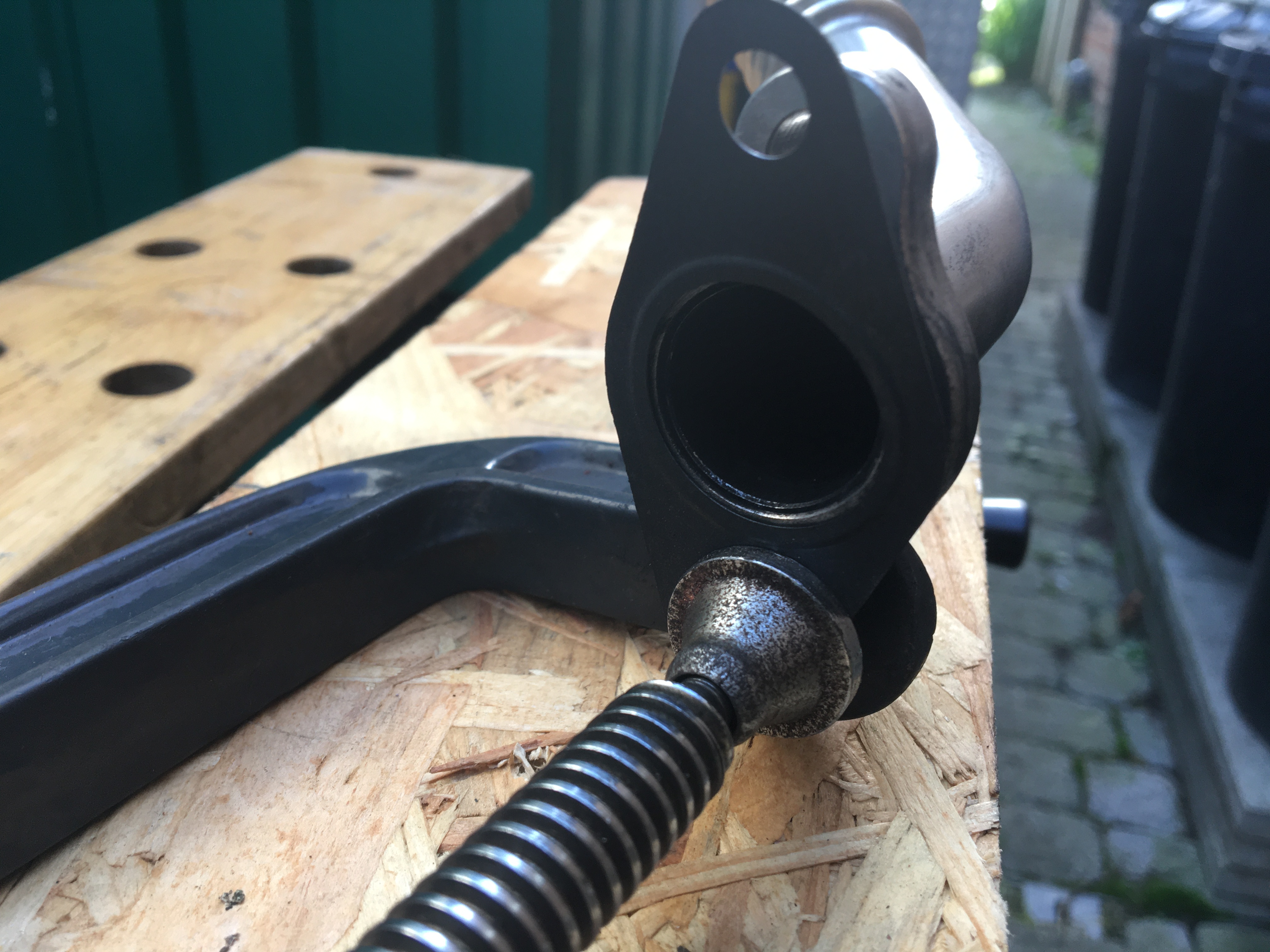
Using the first re-drilled hole I clamped the gasket to the manifold pipe so as to locate it correctly for the 2nd drilling operation …
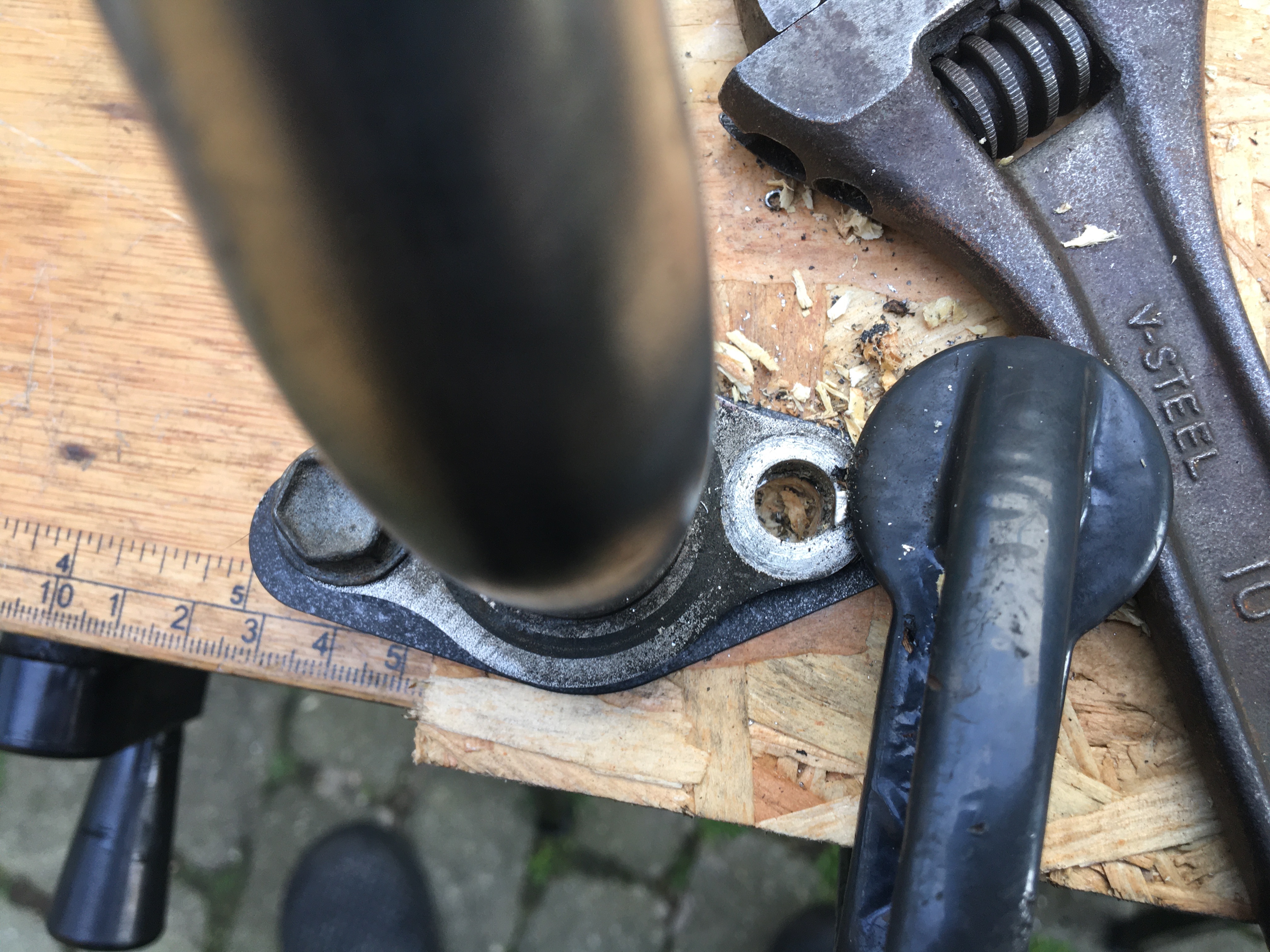
… Using my trusty G-Clamp, a work mate bench, scrap wood and battery drill I proceeded to re-drill the 2nd bolt hole, again using the manifold pipe itself as a makeshift ‘jig’.
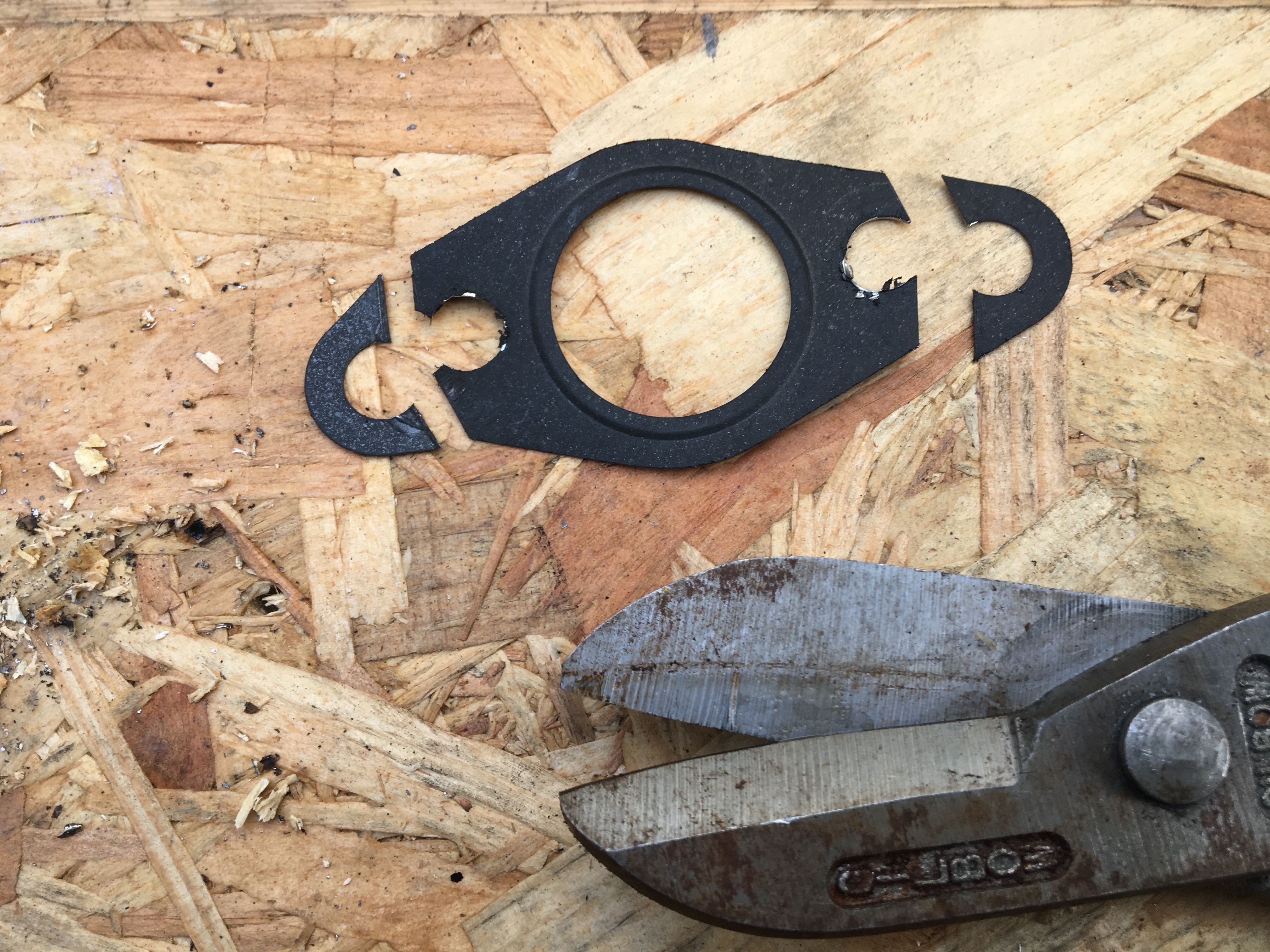
So here is the successfully modified gasket with bolt clearance holes now at the correct pitch. Not pretty but fully functional. I was hoping to be able to leave it in this form when re-fitting as the excess ‘ears’ would have been useful to hold the gasket in place while positioning the manifold and inserting the clamping bolts – but alas there was insufficient clearance so it was back to the tool shed for another modification …
… Out with the tin snips and OFF with those excess ‘ears’!
And here it is back in place, clamped, but most importantly ‘functional’.

When I was ‘on my tools’ in Heavy Engineering working as a Millwright, we used to say “the art of our trade was not when things went right, but how we overcame and resolved issues when things didn’t go right“. The little episode above reminded of that saying.

Please note: No Green ‘Recycling Wheelie Bins’ were harmed during the execution of this DIY Car Maintenance session 😉

Thank you for reading.

Mindful Domestic DIY #01

Boiler Filter Service …

“How much?” … “about £100 + ‘Special Additive & Treatment £25-30’! What! … That was something like how the telephone conversation went. How hard can it be I thought?

A quick ‘Google’ and (see link at the end) I was in ‘DIY Mode’;

A couple of years ago we had a new boiler fitted and specified (as advised by the plumbing firm) a ‘System Filter’ which will increase the warranty on the boiler to 10 years! But of course that requires an ‘annual service’ … of course
Following the boiler manufacturers own instruction video I proceeded …

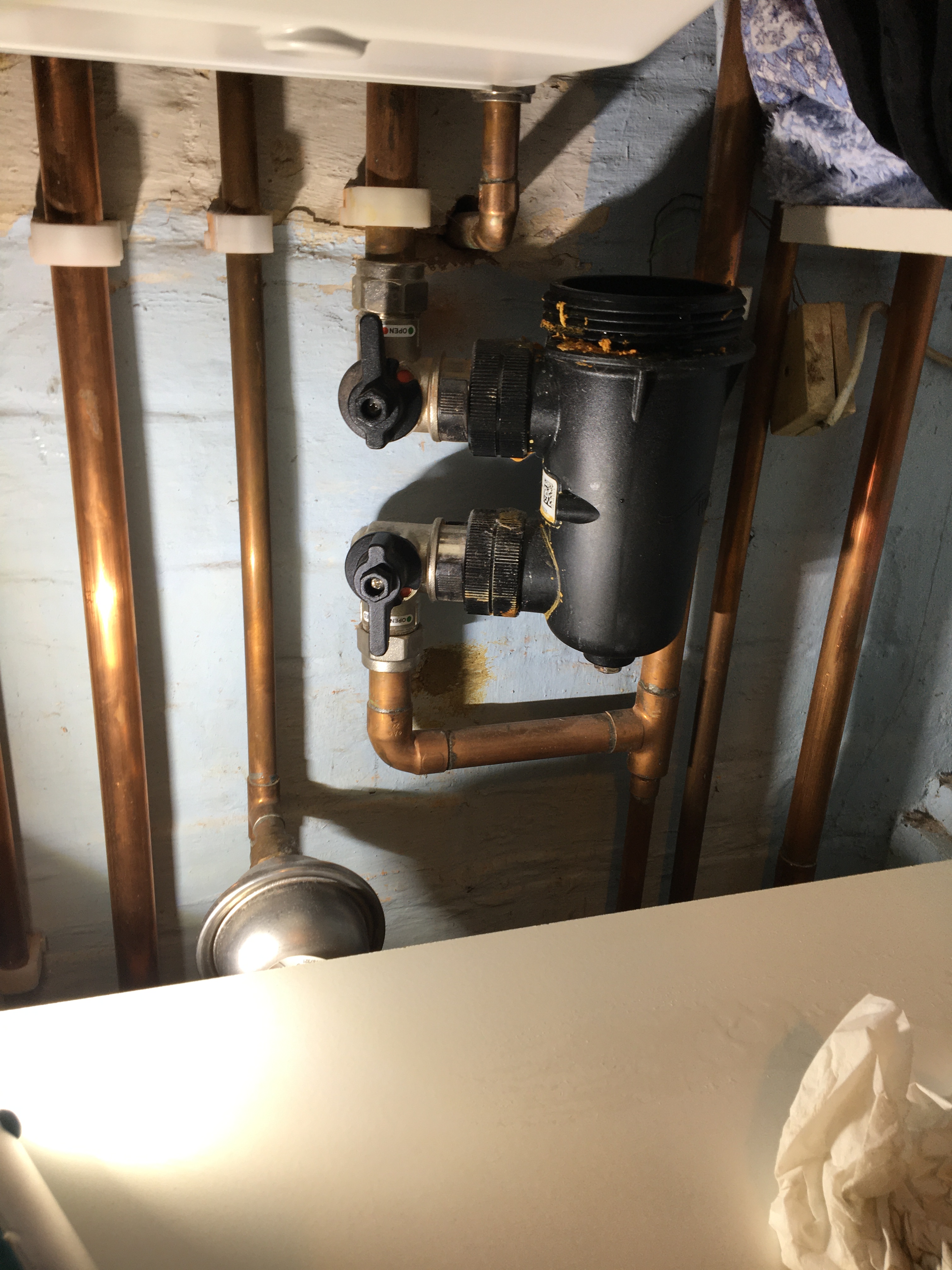
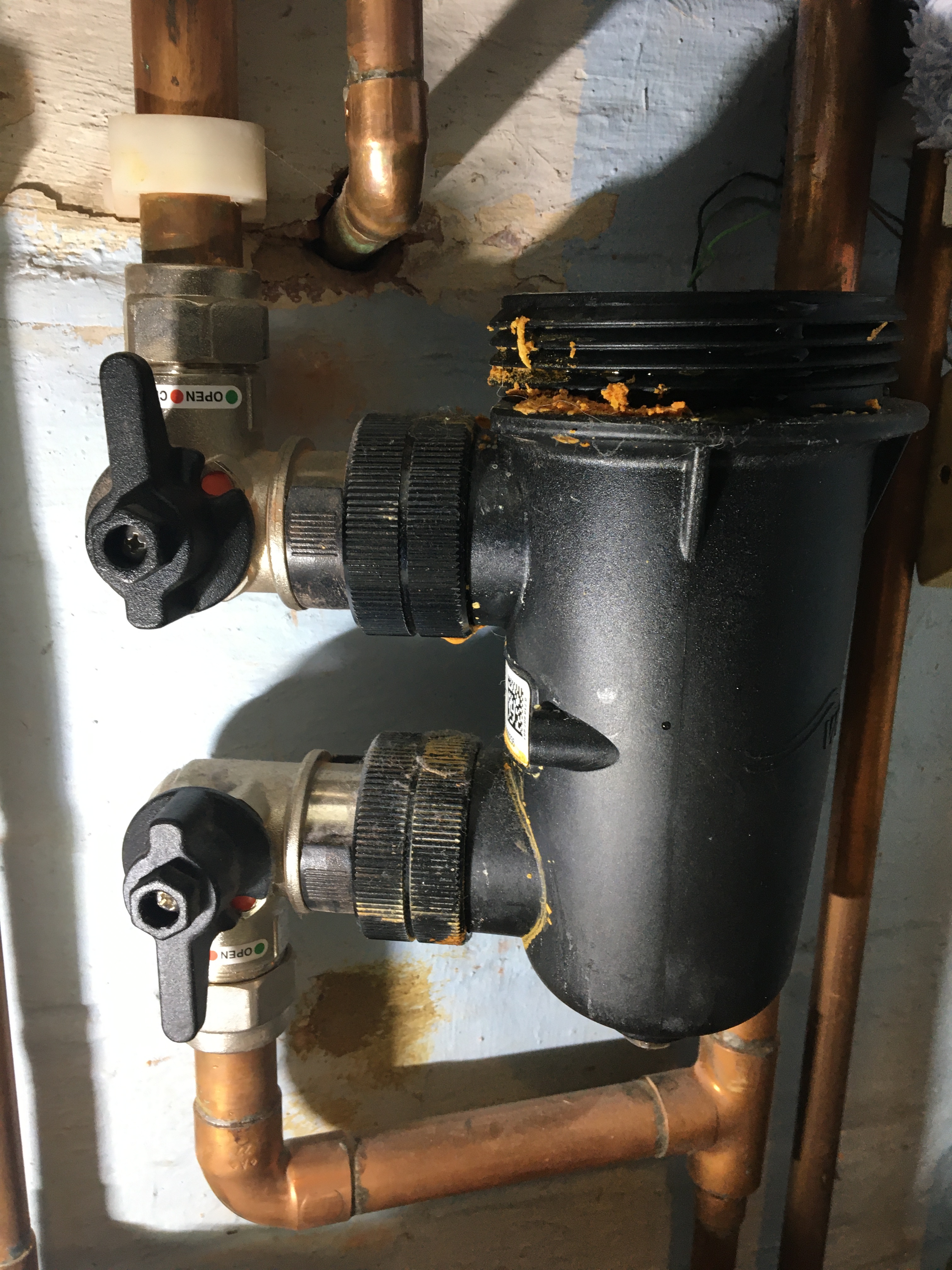
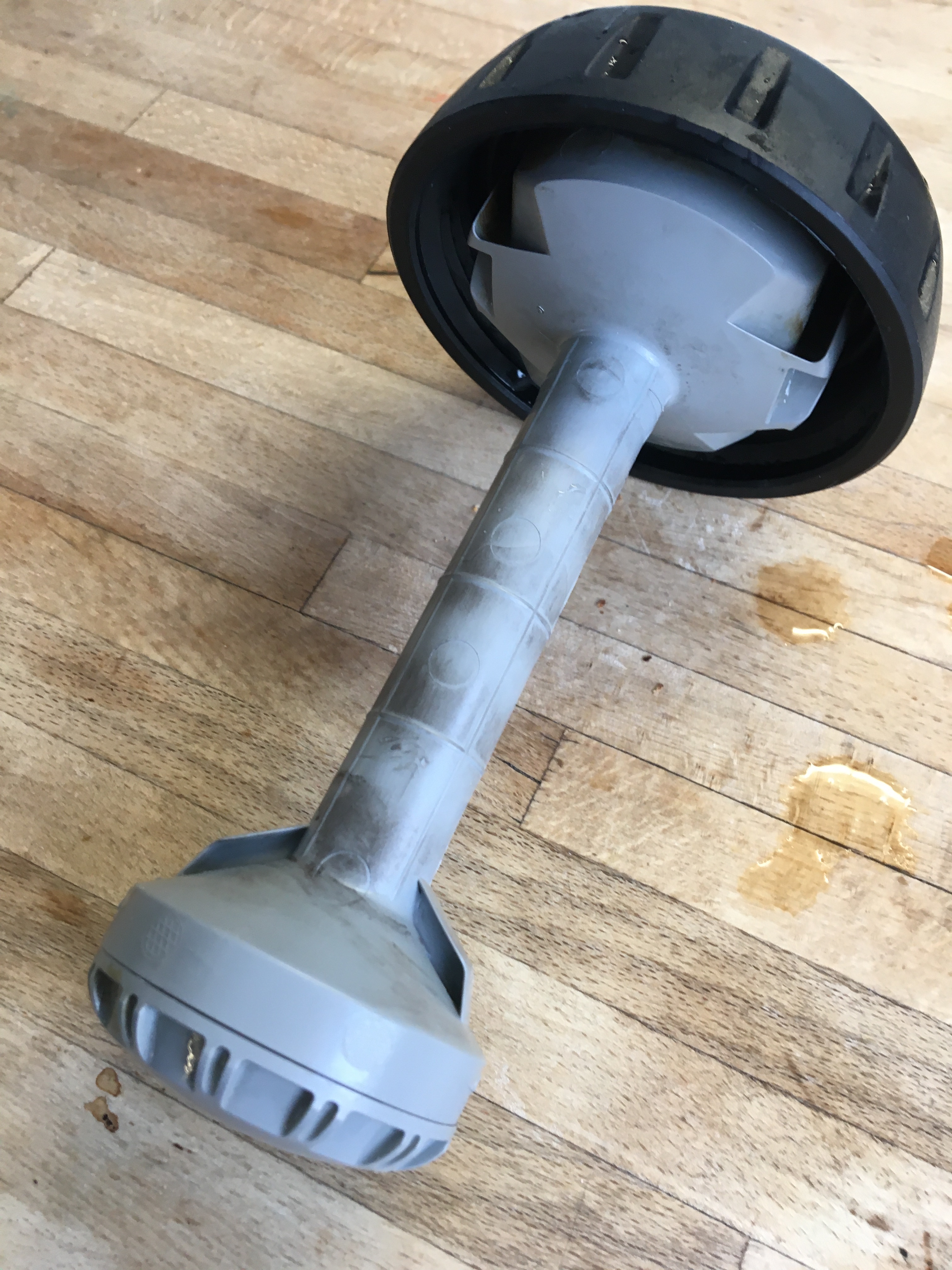
Blimey! Yes, it really does work and was very clogged with magnetic debris! (Black Sludge)

I poked a finger into the sludge to try and indicate the depth …

And here it is all cleaned up …

… And re-fitted, bled & checked for leaks

Here’s the ‘Protector Fluid and filter treatment (£17.49)

Total cost materials £17.49 Labour £0.00 Mindful value, sense of achievement and job satisfaction = £Priceless 

Zen and the art of DIY Car Maintenance …

Keep your old car running, especially if it is fuel efficient — It’s the Green Option

Source: Is keeping my old car greener than buying a new EV?

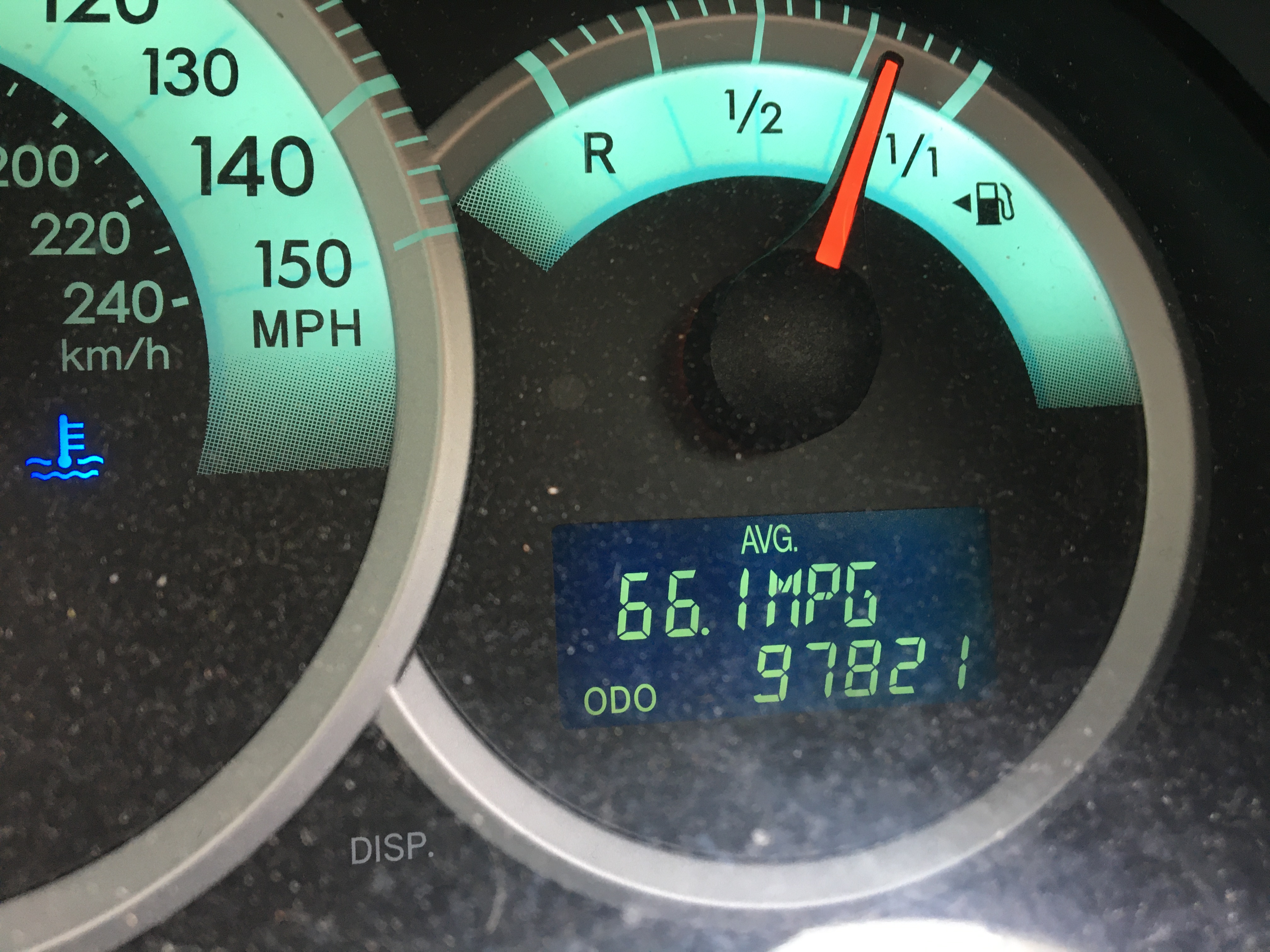
In my family we have 3 old cars. The newest is a 2007 model with over 100,000 miles, and after its recent DIY service returned 66.1 MPG on a long run;

66.1 MPG from a 2007 2.3Litre Diesel with (now) 100K Miles on the ODO – Not Bad!

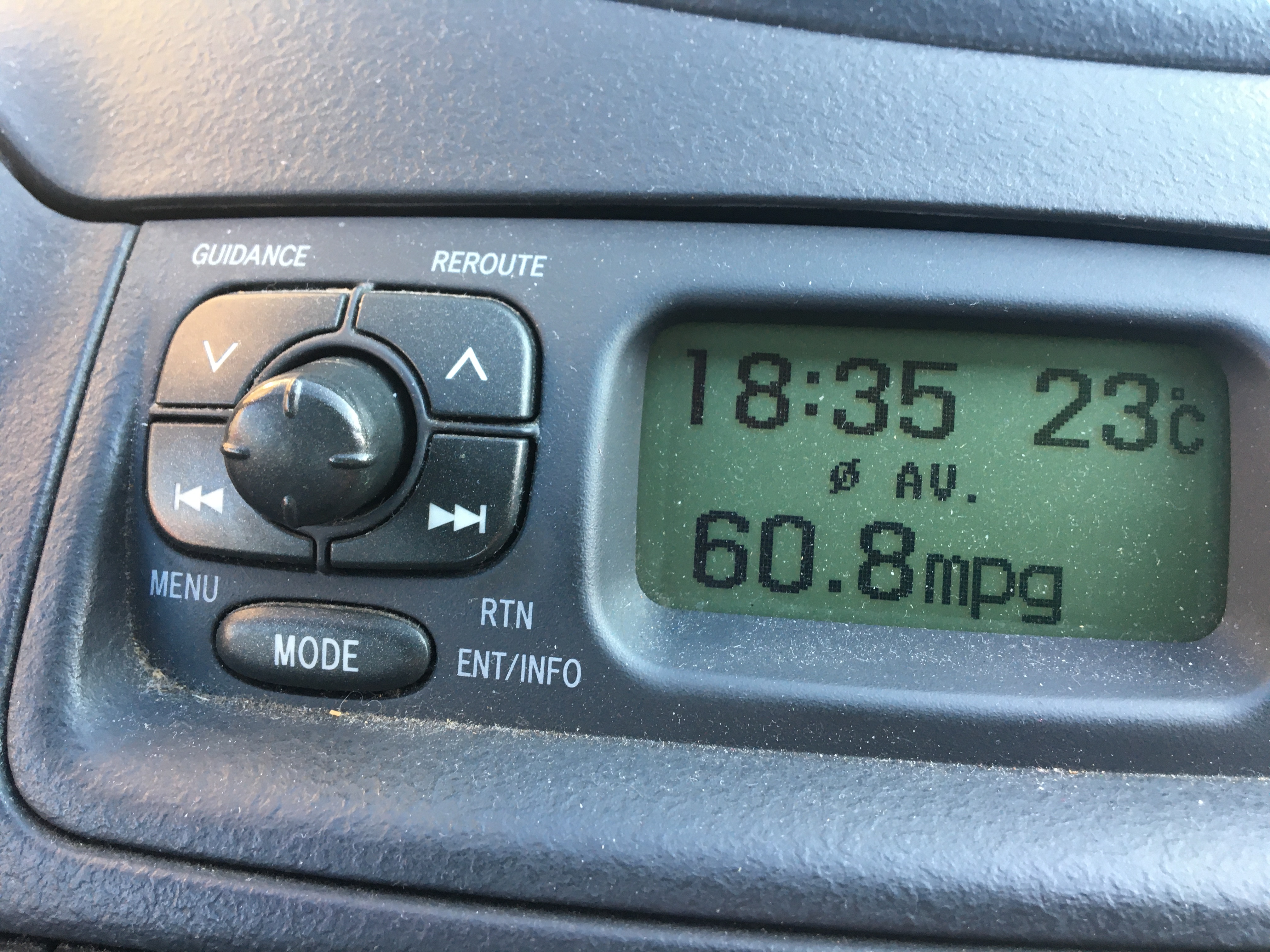
… the other 2 are 2003 models with 125,000 and 100,000 miles on their clocks respectively;

60.8 MPG, 2003 Toyota Yaris, 998cc Petrol over 100,000 miles on the clock and DIY serviced.

There is something very satisfying, rewarding (financially too) and I find ‘mindful’ about maintaining and repairing your own vehicle(s). I realise it is not for everyone, and care must be taken to do work properly and safely. I guess I’m fortunate to have a Mechanical Engineering background, I served a 6 year craft apprenticeship and worked with my hands ‘on the tools’ for many years. I was then promoted to a desk/computer and found myself organising the work for others to do.

Now, in my 60’s I have dug out the old tools, bought a couple of new ones, and primarily to save money on extortionate mechanics (with dubious skill levels and ability) labour fees, but then discovering the mindful benefits of ‘doing a good job yourself’, getting stuck in … I discovered an almost meditative experience, losing myself in the task at hand, rediscovering and re-applying those old skills and enjoying the benefits of wellbeing possibly more than the substantial financial savings.

Here are a few images taken while practicing ‘Zen and the art of DIY Car Maintenance‘.

Removed, pistons freed off, cleaned and re-assembled – Cost £0.00 just some mindful effort
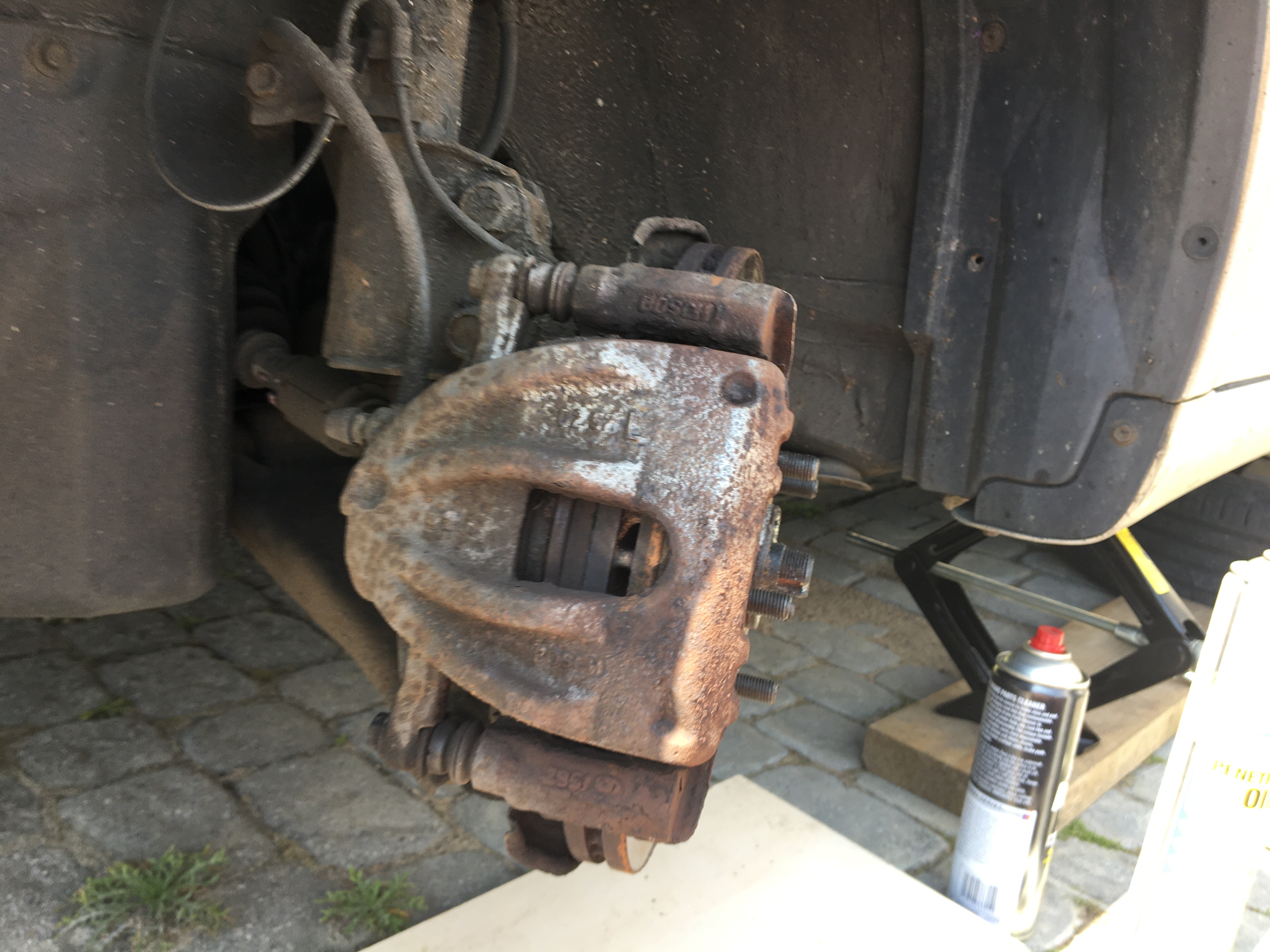
A seized rear brake (slave) cylinder on my Daughters car.

The pictures below are of my DIY annual service of our family car. Engine Oil, Oil Filter, Fuel Filter and Air Filter;

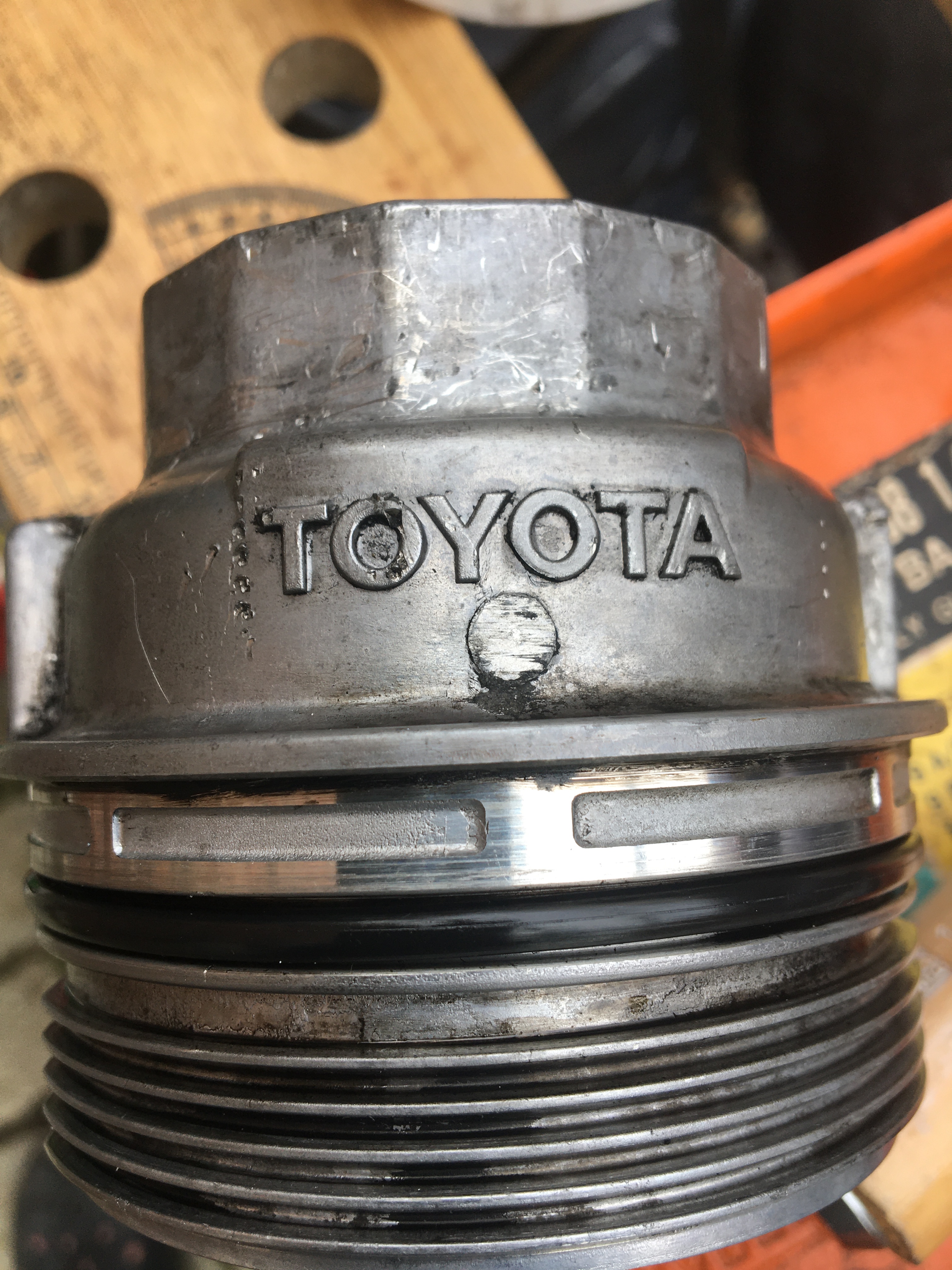
Oil Filter Housing
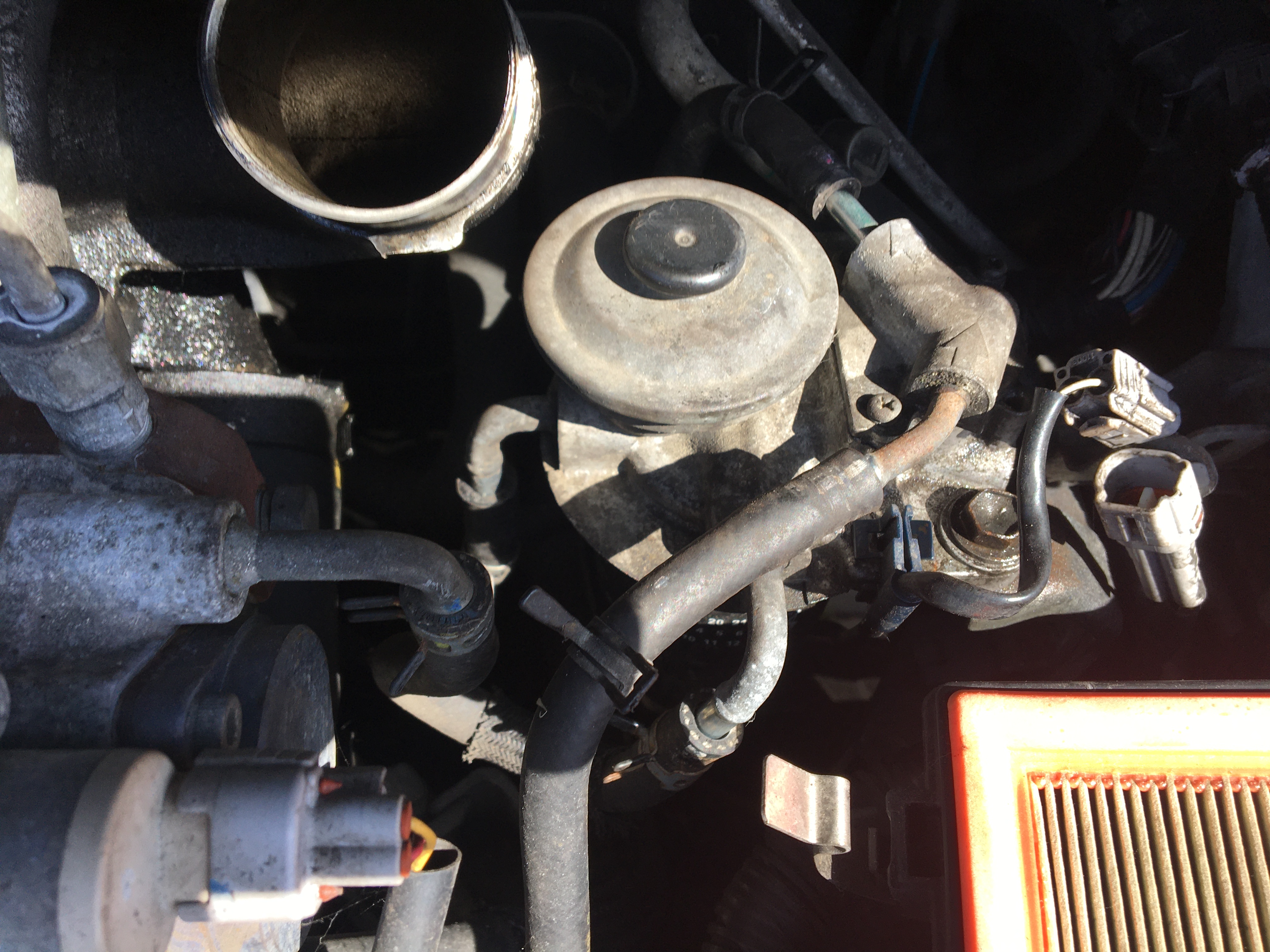
Fuel Filter is under there somewhere …
… Get this fella out of the way and …
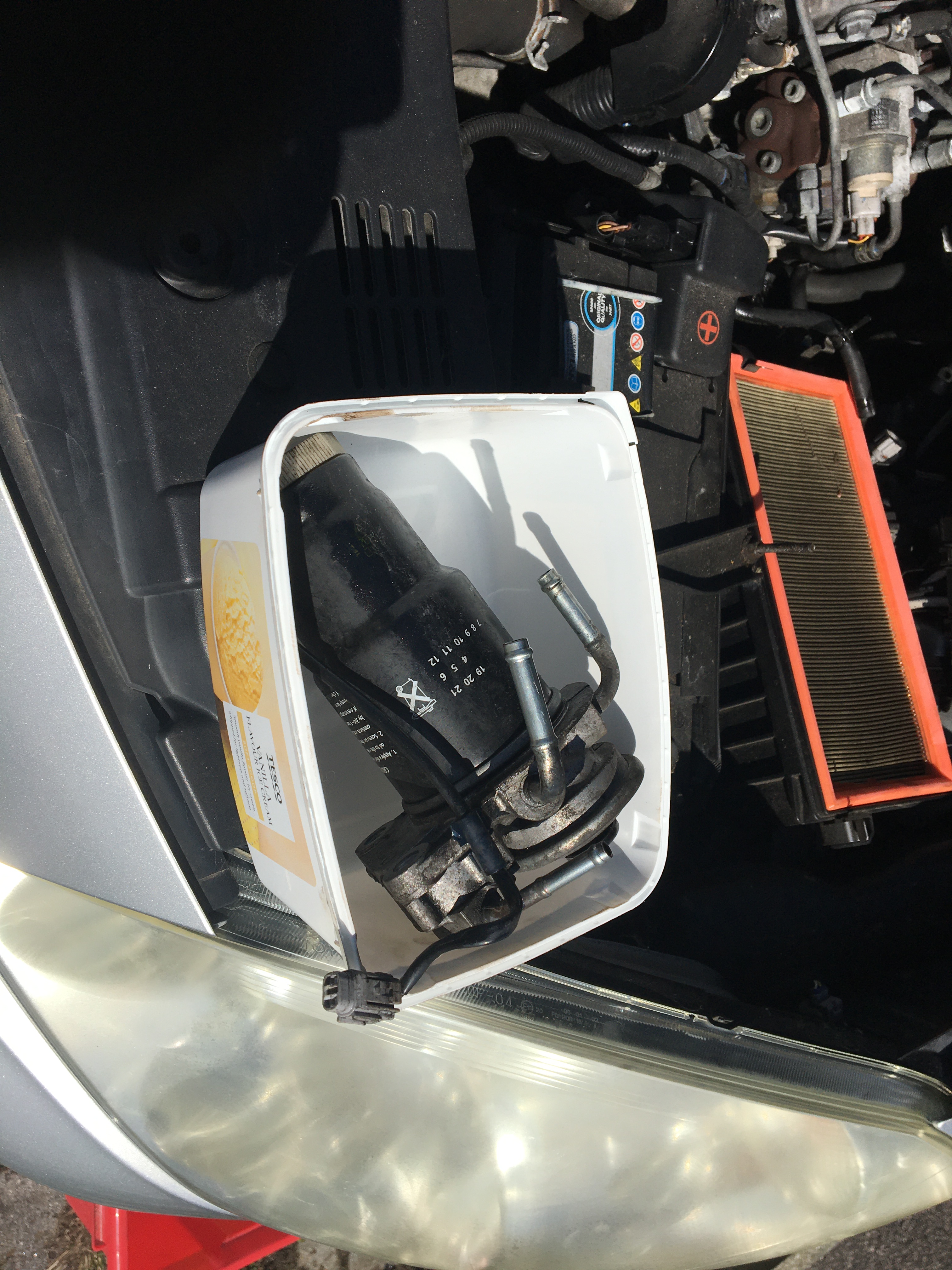
… There it is, disconnect a few pipes and electrics and …
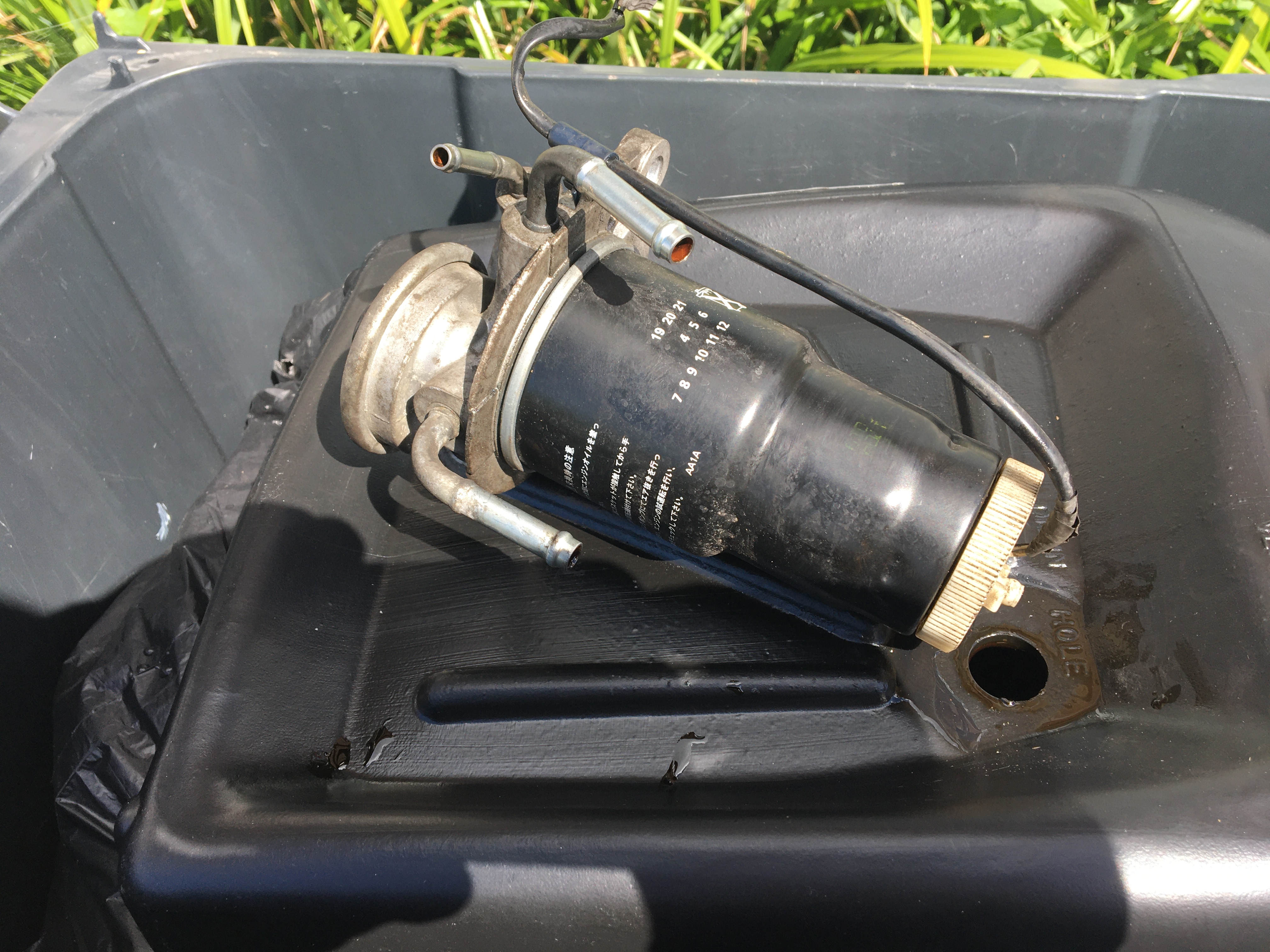
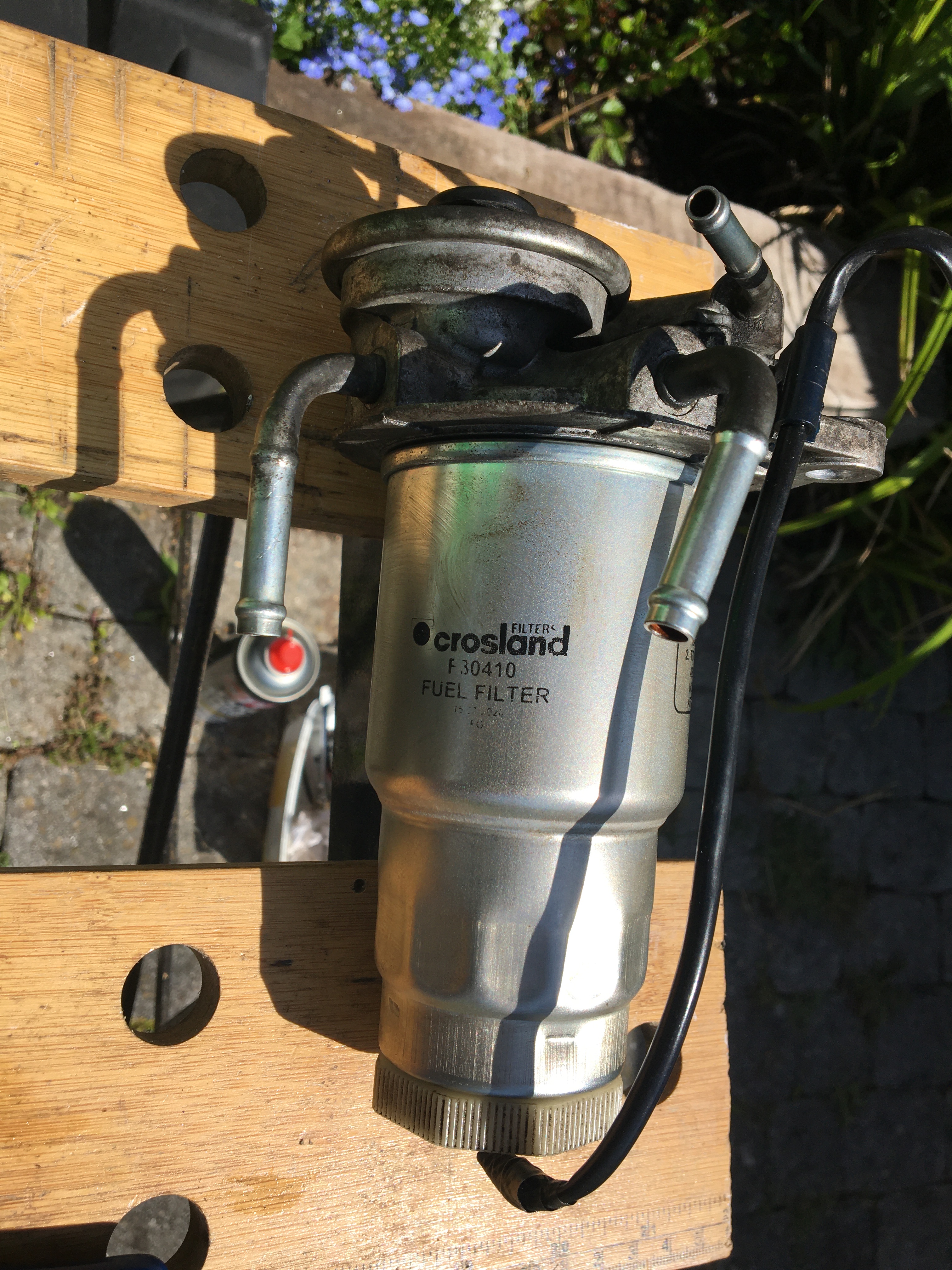
… the fuel filter housing is out, now to strip it down
… drain the remaining fuel, in this case diesel …
Remove the water warning float …
Remove the filter cartridge

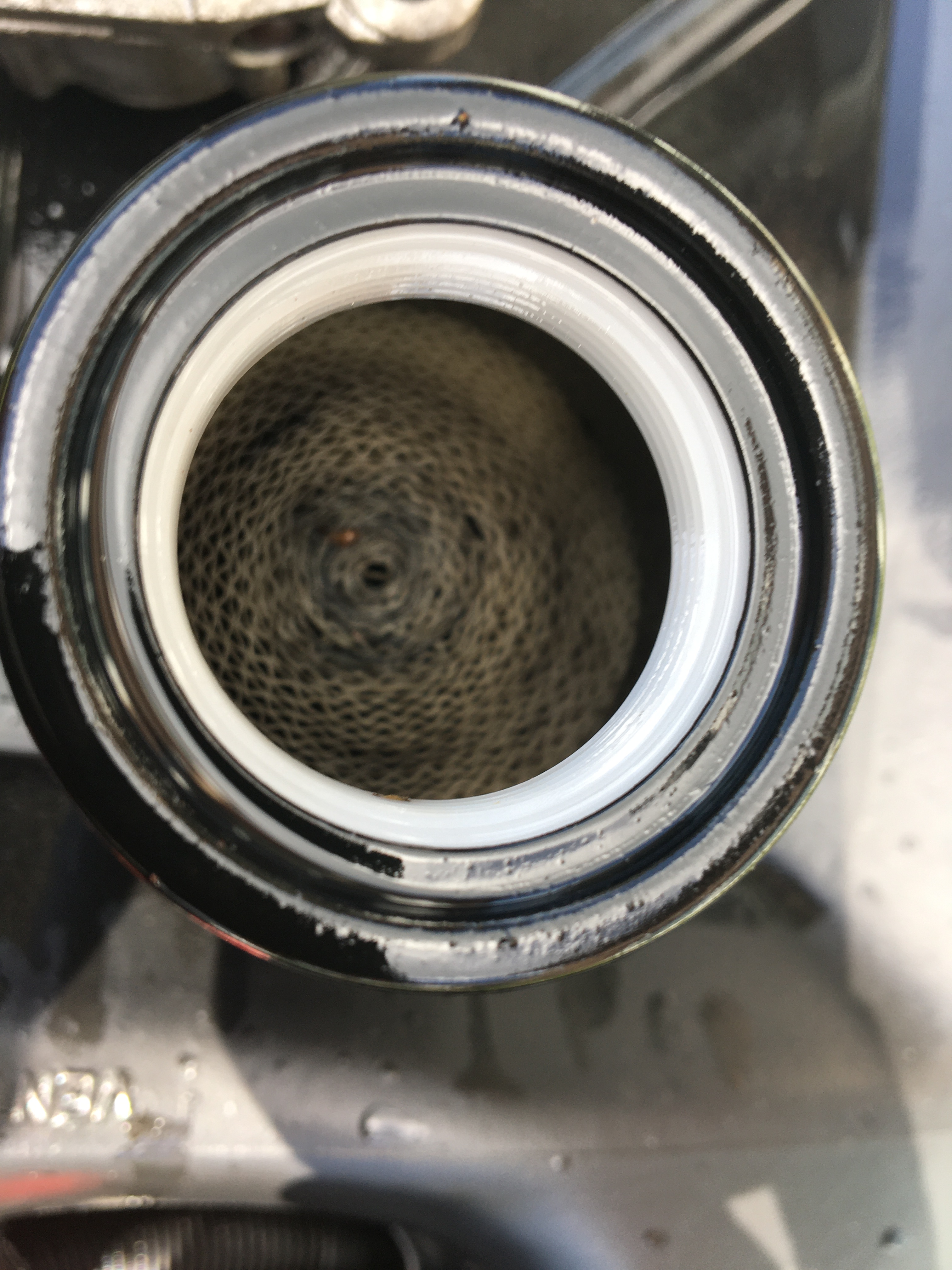
Inside the old filter fitted for less than a year
… compared to the new filter internal
All re-assembled and ready to refit
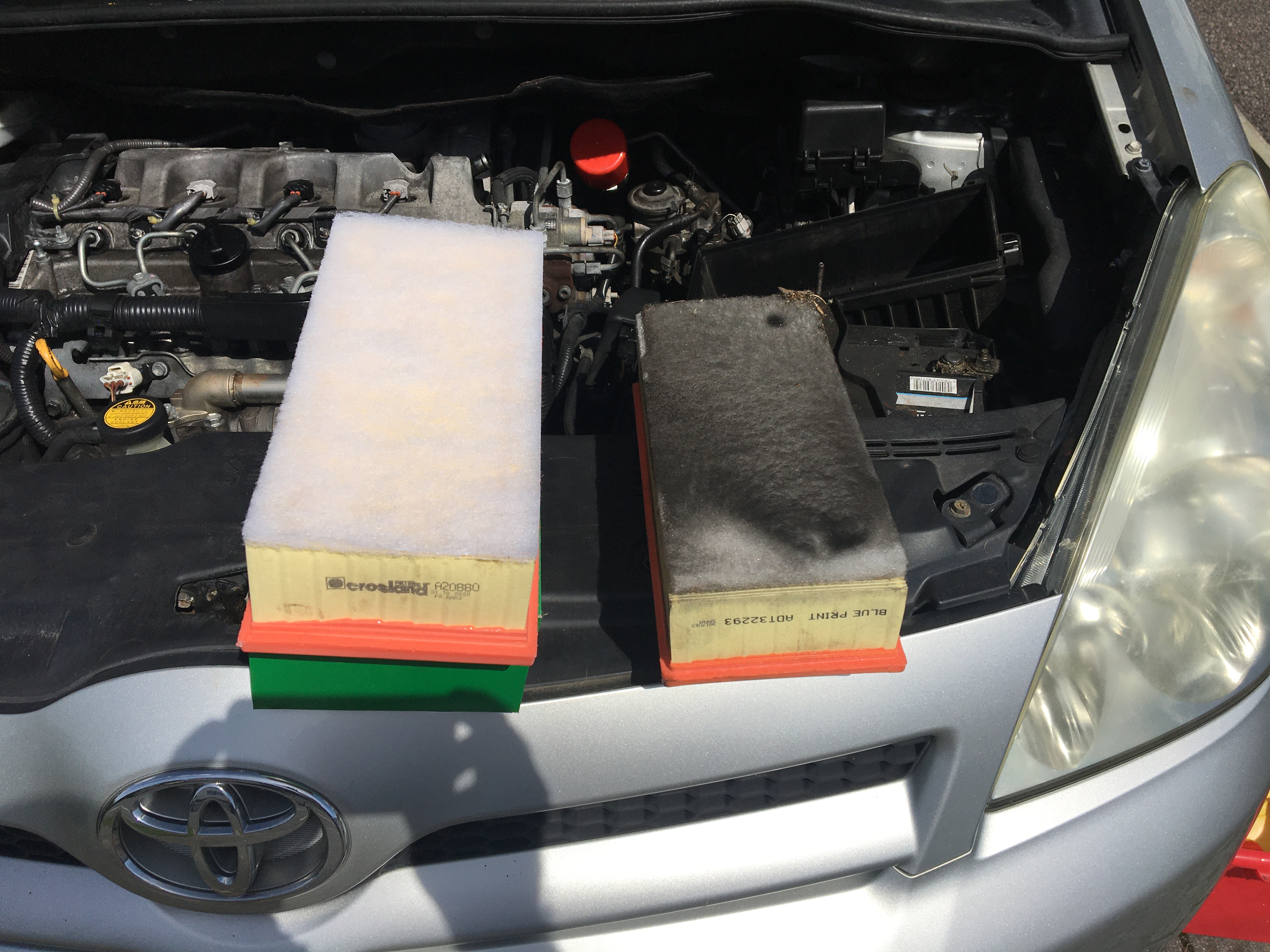
… And of course while I was there I replaced the Air Filter, again slightly less than one year old!
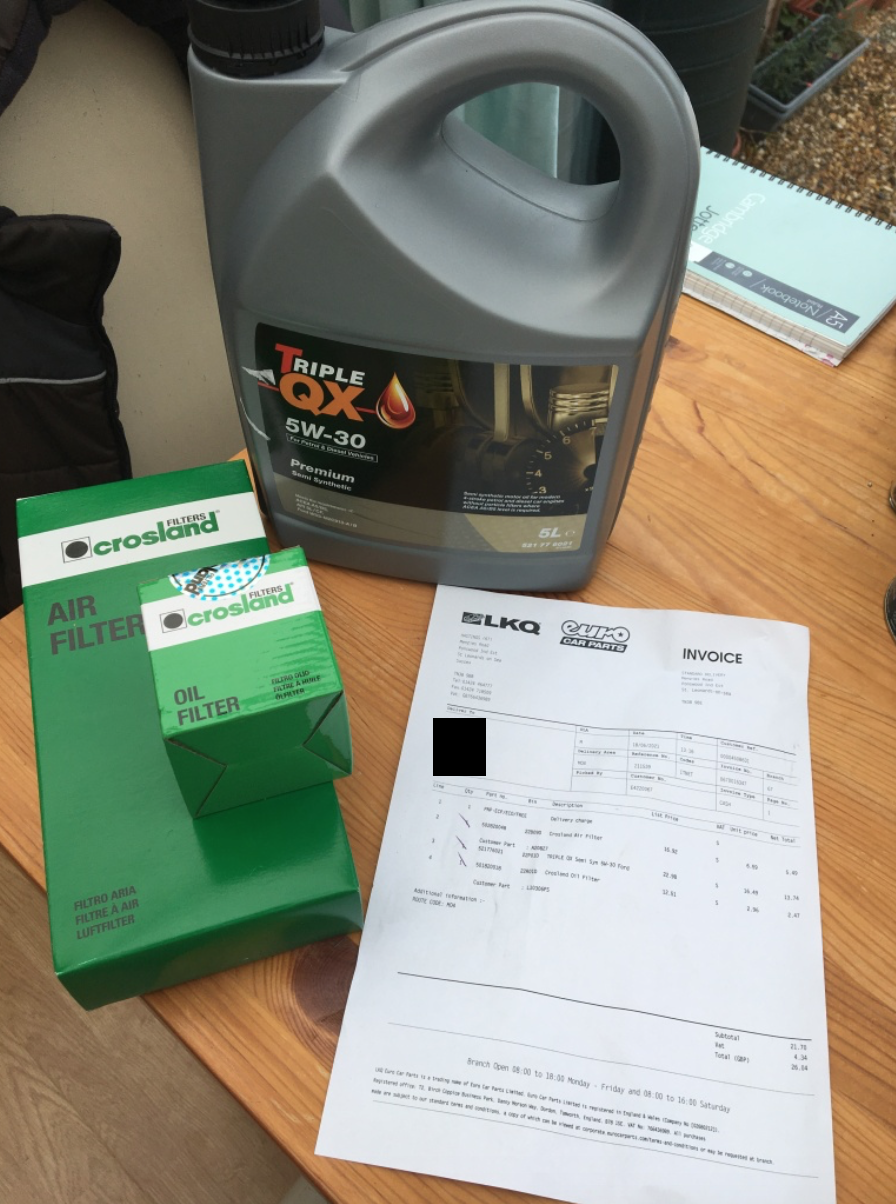
Cost of parts £26.04 (Local Garage Quoted £140.00) Mindful value, sense of achievement and job satisfaction = £Priceless 🙂

Same car as above, Toyota Corolla Verso 2.3 Diesel, inspecting and replacing rear brake pads;

Wheel off, and car well supported …
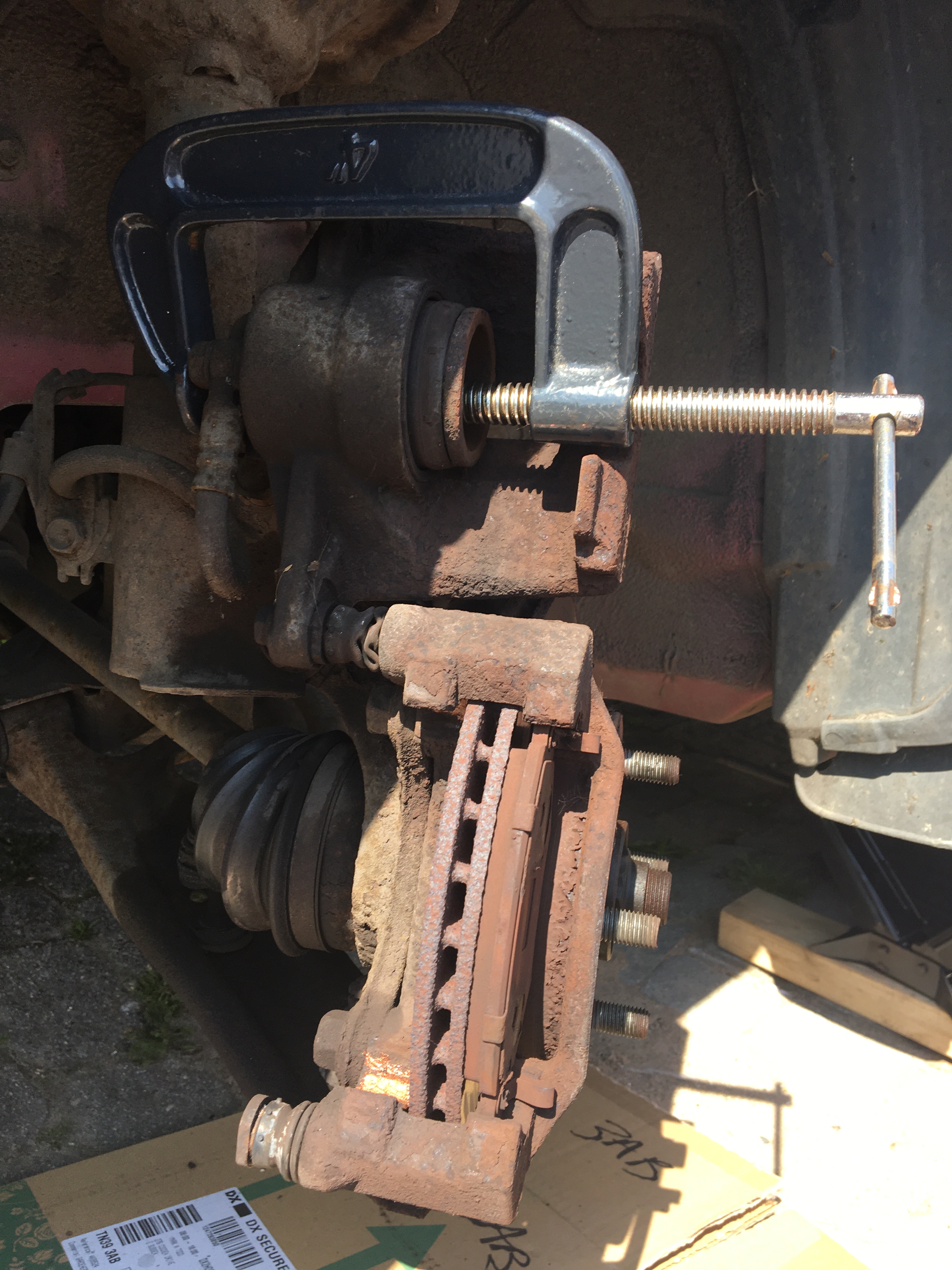
Caliper swung clear, g-clamp used to push piston back ready for new thicker pads …
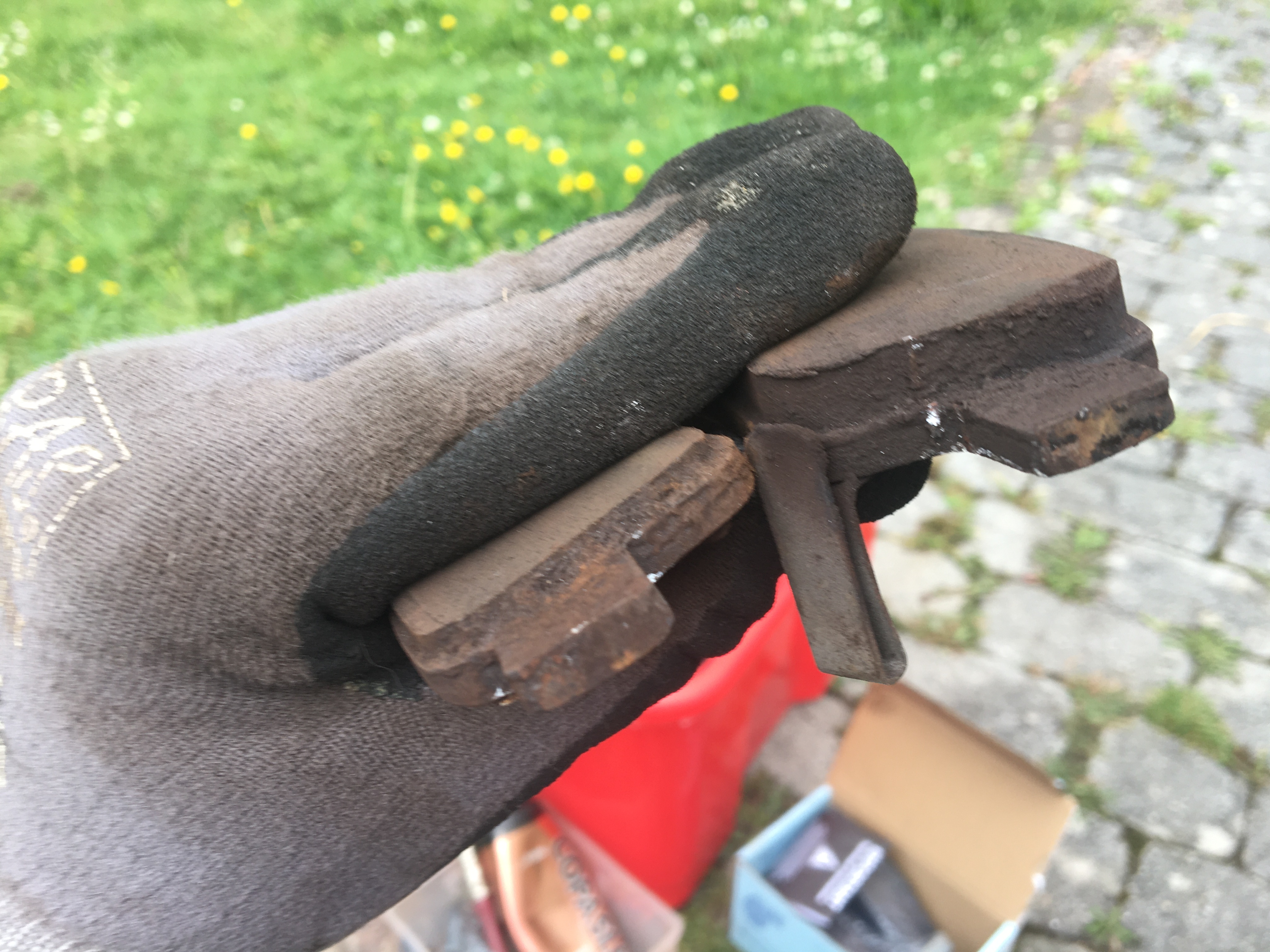
Old pad (left) against new pad showing ‘tell tale’ wear indicator spring strip
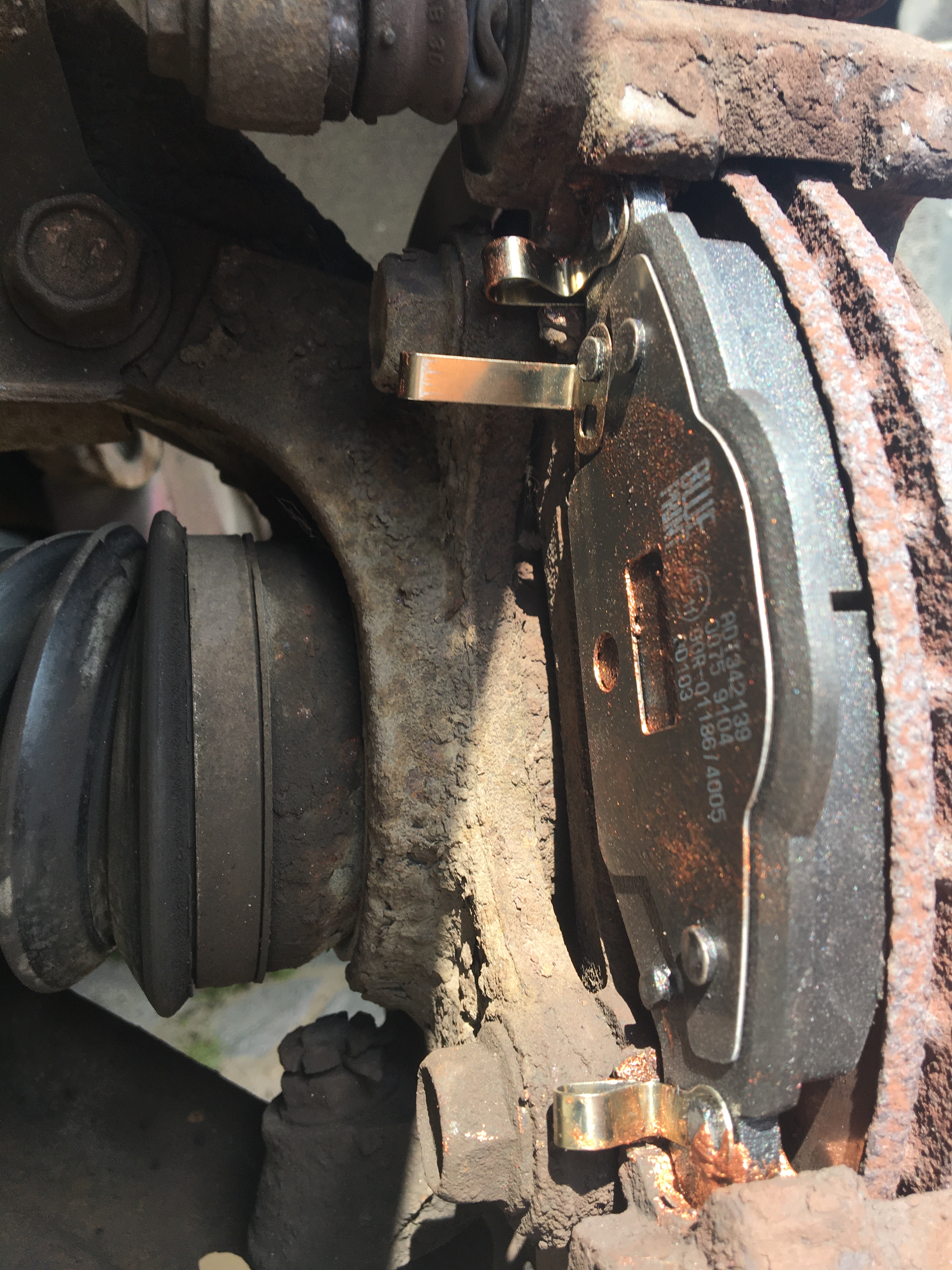
calliper/pads sliding surfaces thoroughly cleaned and lightly coated with ‘copper slip’ compound, new pads installed.

Same car front brake pad replacement;

Car jacked, wheel off and steering turned full lock for easier access to calliper …
Calliper swung clear and trusty g-clamp used to push piston back …
New pad installed on driveshaft side …
Both new pads installed in cleaned and ‘copper slipped’ guides

My Daughter’s 2003 Toyota Yaris with over 125,000 miles on the clock developed an idle problem. It would hunt and stall at tickover, in traffic, at traffic lights etc. Perfectly fine starting and driving, but at idle something wasn’t right.

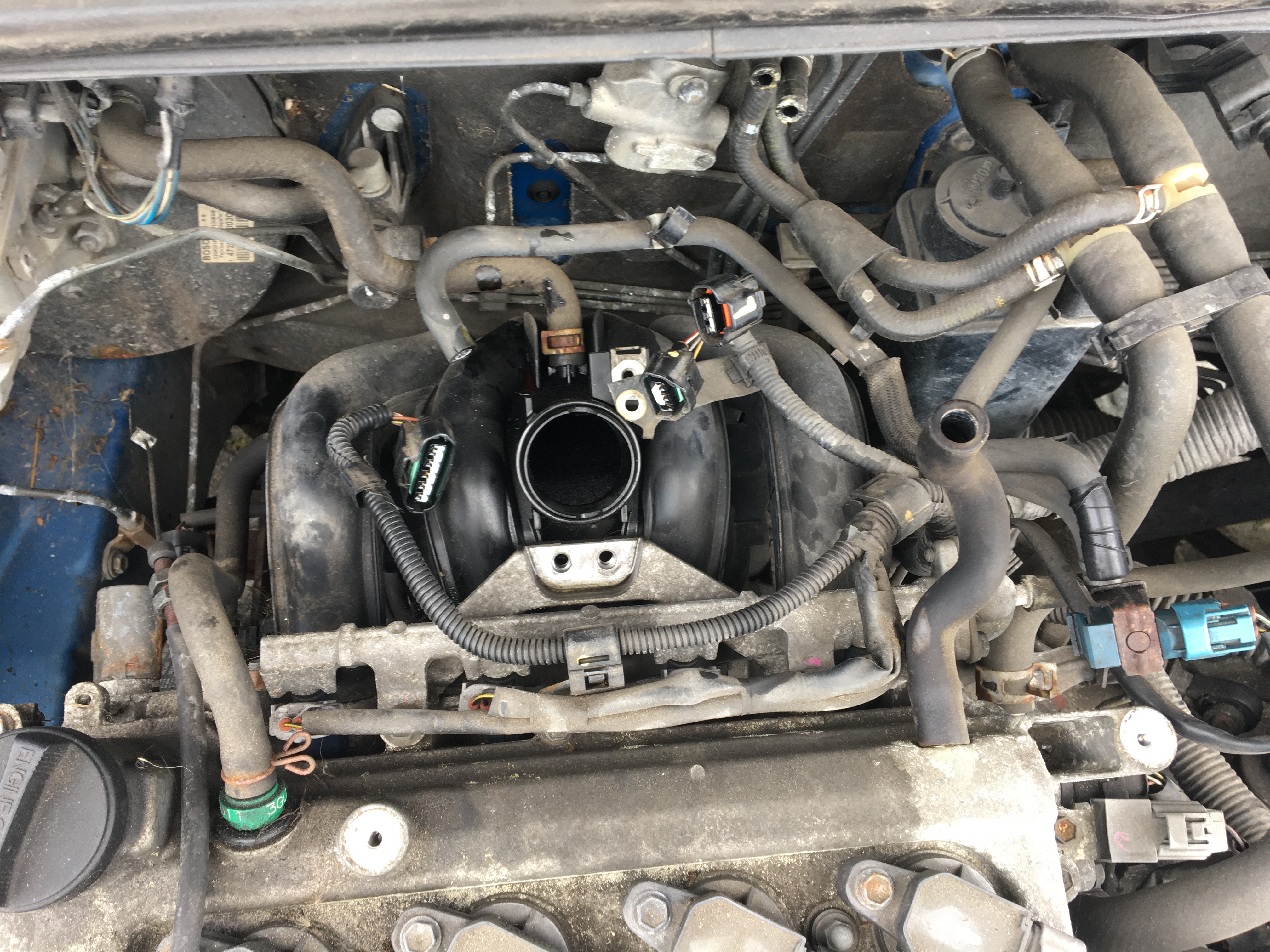
So I ‘Googled’ and searched YouTube and it seemed (as it often does) that this is a common problem that many makes and models of petrol engine cars of a certain age suffer from. And the culprit is the ‘Idle Control Valve’ located in the ‘Throttle Body’ … so I went in search and found the little devil;

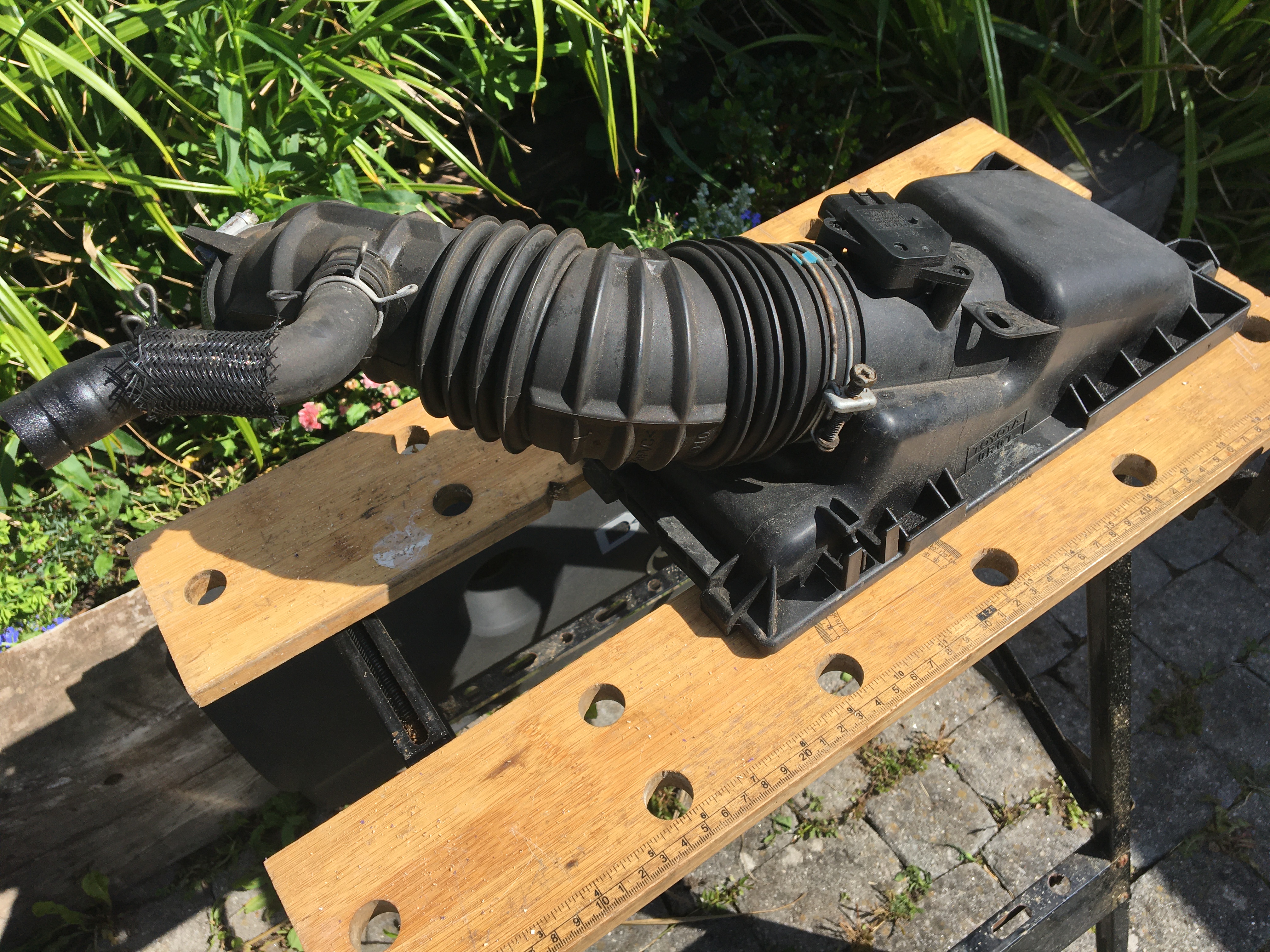
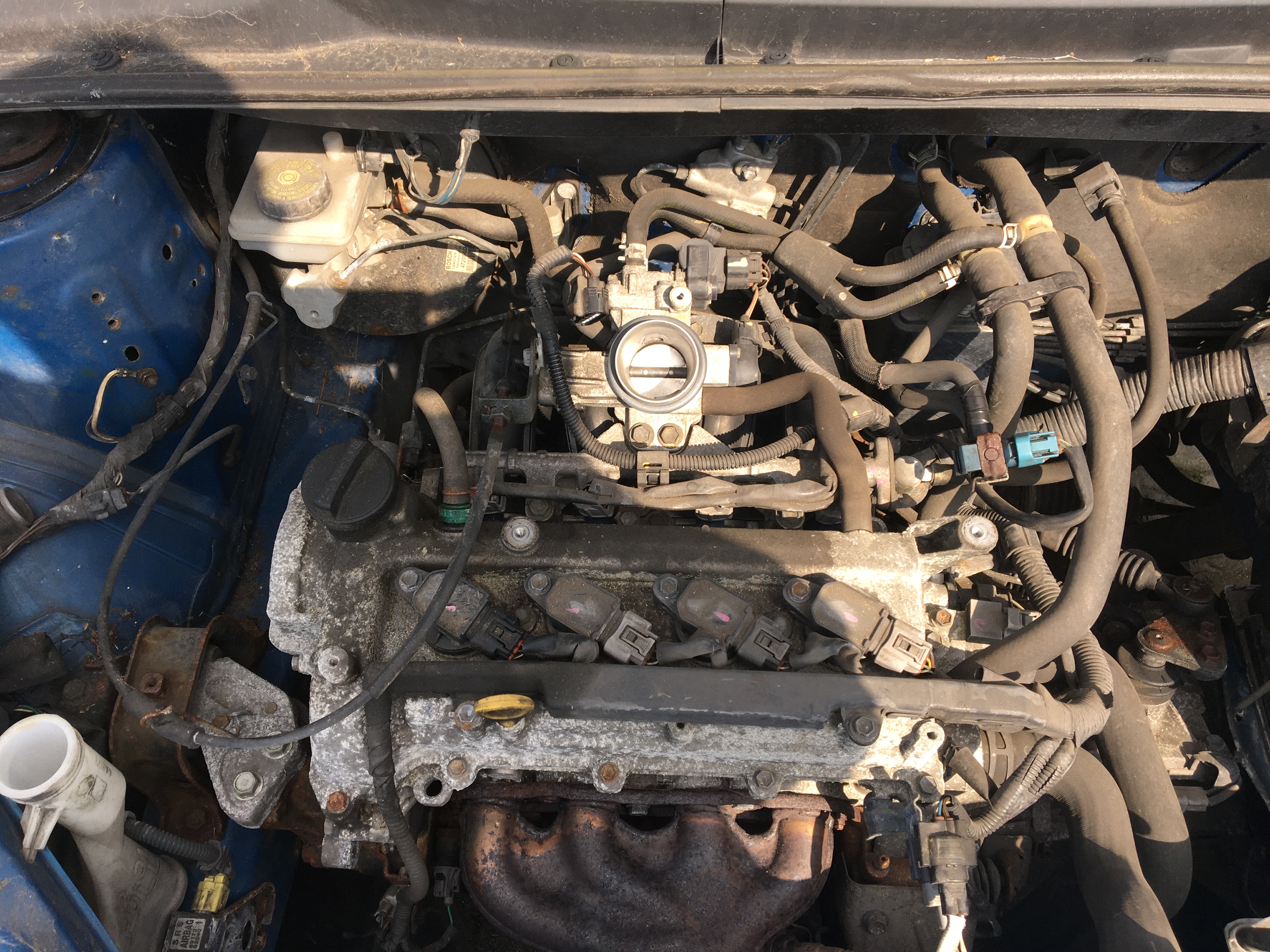
Above is the engine with the Airbox removed, the airbox connects to the Throttle Body which is that circular opening you can see near the top centre of the picture …

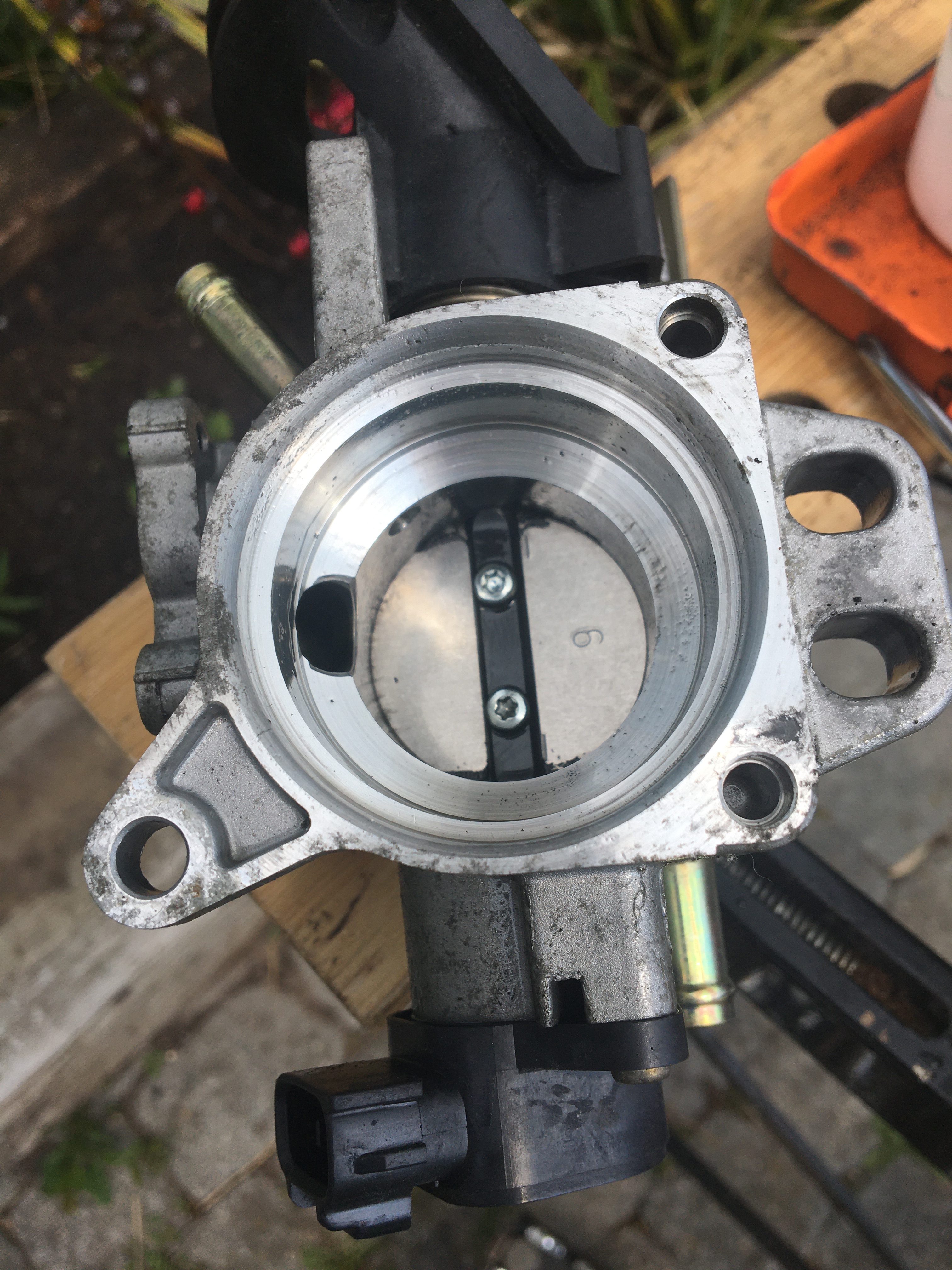
Close up of the Throttle Body with the butterfly valve (operated by the throttle cable) closed …

There are several electrical plugs to unplug, also 2 rubber pipes that run coolant to the throttle body which may leak a little coolant so be prepared …

Here’s the Throttle Body removed …

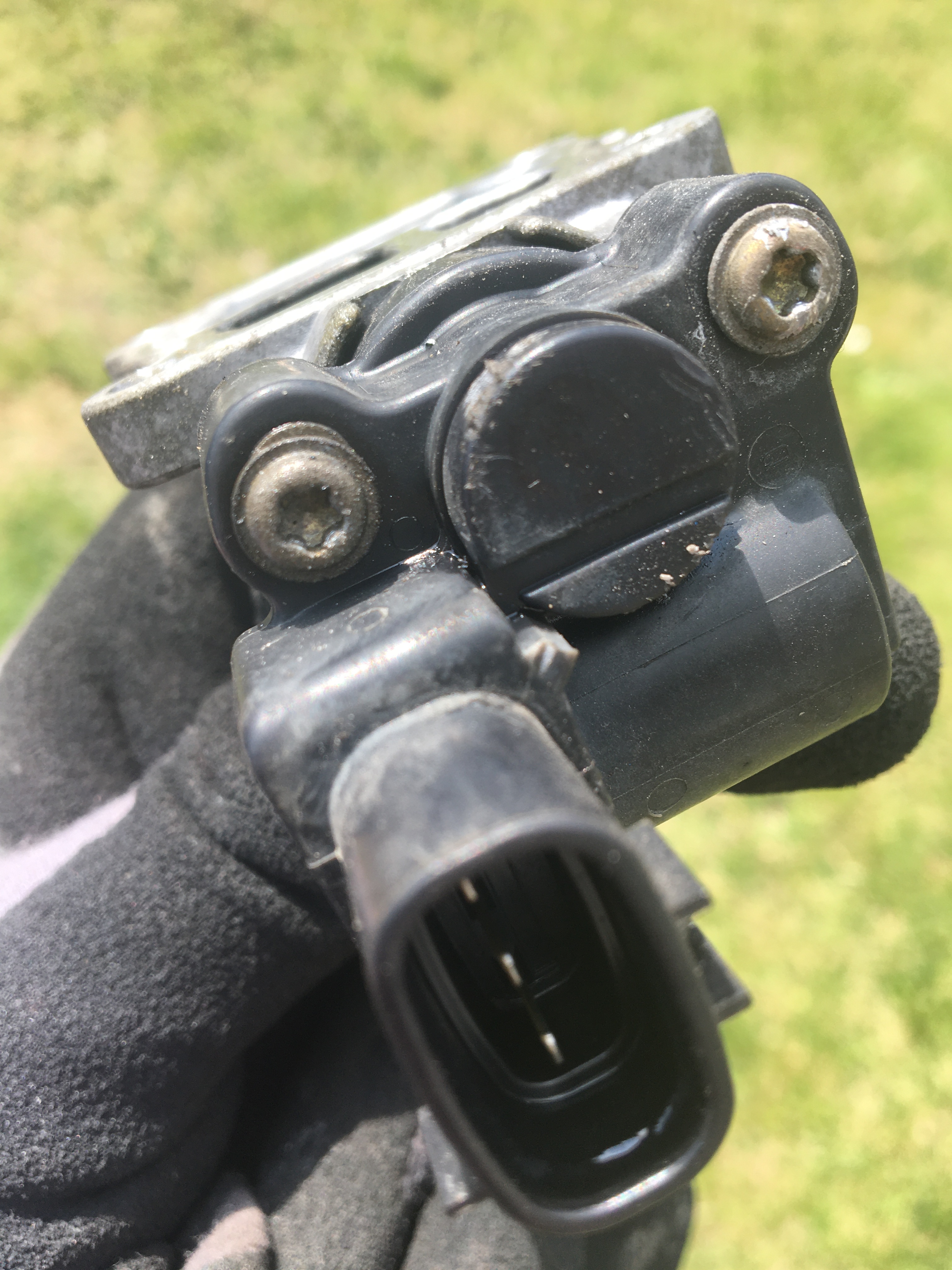
The Idle Control Valve is held on with 4 screws …

… Here it is removed and I’d have liked to have removed the Idle valve itself but it is held on with these tamper proof ‘5 point star’ type screws which I do not have a tool for … oh well …

… The valve itself is a cylindrical shape with a cut out and is turned by a servo motor controlled by the ECU. As I suspected, it was filthy and clogged with oil and gunge! A good spray with Carb Cleaner, an old toothbrush and some patience and persistence had it a lot cleaner!

More Carb Cleaner, cloth and toothbrush action had the Throttle Body itself nice and clean, ready for re-fitting.

Re-assembly was just the reverse of the disassembly seen above. With all pipework and electrical plugs replaced, coolant level checked, it was time to start the engine — Yay! Success! The idle is good, no more hunting or stalling 🙂

Cost of parts £6.05 (for can of Carb Cleaner) £0.00 for Labour, £Priceless sense of achievement, reward and Mindful Wellbeing