Back in Part 5 I explained how here in the UK vehicles have to pass an annual MOT Test for road worthiness. Well, I am very pleased to report that the 1983 Honda CB 250 RSA passed! This was a great relief and pretty much ‘mission accomplished’ for getting this classic little bike up, running and on the road again. The final legal step is Road Tax, just 6 months which will take us into 2024 when this bike can be re-classified as an Historic Vehicle and will no longer require either road tax or an annual mot test.
On the day of the MOT it rained, and it rained for days afterwards. But on Sunday 6th August the little classic Honda went out for a 26 mile shakedown ride after first stopping for a tankful of E5 petrol … … Here she is at Galley Hill for half decent photographs.Just over 13 years since last MOT/Road use, but carefully stored in a dry garage by my brother and brought back to life as told by these recent blog posts – Recap Part 2Part 1Part 3Part 4Part 5Part 6 … the great little Honda PASSED ‘Fit For The Road’ once again!
Lightweight and agile, Honda’s CB250RS conflicted with its own Superdream for sales and was never as popular. Now, they can be a great back-lane bike with big H reliability.
While tackling all the tasks I’ve detailed in this series of blog posts I had to do a fair amount of web searching for parts etc. While doing so I came across the review above which tells the history of this great (and often overlooked) little motorcycle. If you’re a veteran of 1970’s/80’s Japanese bikes it is a great read.
End of Part 7 – And end of this story for now. There are other tasks on my list that no doubt I will add to the ‘Zen and the Art of DIY Motorcycle Maintenance‘ blog posts. For me working on the bike and bringing it back to life and road worthiness has been a very rewarding and wonderful mindful distraction from the ever increasing current financial struggles, and I have to thank my brother for granting me custody of his classic motorcycle and not least for financing the many replacement parts required.
So I realised that as this little story reaches its successful conclusion, another story begins. And that story is my own personal re-association with motorcycles, re-discovering the joy of riding and as I saw somewhere on YouTube the mindful benefits of ‘Throttle Therapy’.
… And if you’ve just joined at Part 7, below is a little background to this story.
Motorcycling is in my blood [ RIP Dad – A Truly Great Father ] and because of motorcycles I’ve literally spilled many pints of blood [ Conscious Throughout ] My Dad passed the DNA and the bug to me in 1976 aged 15. My younger brother then aged 10 also caught the bug and eventually carried on the motorcycling tradition for far longer than myself. I rode on and off from age 15 to 40, all weathers, commuting on various ‘hack bikes’ while pampering and saving the main bike for dry (mainly) runs out for the sheer joy of riding. My brother recently bought a new 2023 Triumph 765 Street Triple R, a two wheeled sculpture if ever there was such a thing. The Street Triple was to join his stable of bikes alongside his classic Triumph Daytona 1200, and another classic, the Honda CB250 RSA you see below. The little Honda was his ‘hack bike’ back in the day, not used since 2010 and carefully stored, dry and covered in our Dad’s old garage. That garage is a shrine to our dear father, not really disturbed since his sad passing in 2016.
So the Street Triple needed room, the garage needs sorting but both my brother and I are dreading the day we have to disturb our Dad’s workshop and birthplace to so much of his woodwork creativity, and so many precious memories. The motorcycling bug never dies, although I myself have not ridden for over 20 years, the pull has always been there and watching the wonderful Allen Millyard‘s YouTube channel has fed my interest in the mean time, and when my brother suggested I take custody of his little classic Honda and get her back on the road I jumped at the chance!
… And Why ‘Zen’?
There’s a stand out section for me in the book Zen and the Art of Motorcycle Maintenance, and it is the part where the author describes making, or proposing to make makeshift ‘shims’ for his friends John and Sylvia Sutherland’s new and exclusively dealer serviced BMW motorcycle. Pirsig tries to explain how shims made from a discarded Coca-Cola can would be perfectly adequate and functionally identical to those fitted by the BMW Dealer’s mechanics at exorbitant costs. John Sutherland could not see this or be convinced, so programmed was he that only the main dealer has the expertise, equipment and materials to carry out such a task.
“In the book, the narrator describes the “romantic” approach to life of his friend, John Sutherland, who chooses not to learn how to maintain his expensive new motorcycle. John simply hopes for the best with his bike, and when problems do occur he often becomes frustrated and is forced to rely on professional mechanics to repair it. In contrast, the “classical” narrator has an older motorcycle which he is usually able to diagnose and repair himself through the use of rational problem-solving skills.”
A 40 year old Classic Honda Motorcycle. No road tax, no MOT, cheap to run, cheap to insure – an answer to the Cost Of Living Crisis? Maybe, but more importantly for me, a mindful escape into hands on problem solving and rejuvenating old skills.
What follows is a pictorial account with description of the progress of that restoration – Part 6 Rear Brake Adjustment …
Every motorcycle I’ve ridden since I came to grief on a bike in 1979 has required an adjustment to the rear brake pedal to compensate for my resulting ‘drop foot’.
Because of the medical condition I mention above, I need to have the rear brake pedal set a lot lower than standard. This has always been achievable with a few tweaks to the existing adjustment points. In the diagram above, the height of the rear brake pedal (1) is set by adjusting bolt (6) and locknut (5). However the standard bolt (6) is not long enough to achieve my desired pedal height, so I substitute for a longer bolt. Also to achieve the necessary lowering of the pedal I remove the brake pedal and turn it clockwise by one increment on its splined shaft (9) See actual images below … To remove the lever, this clamping bolt has to be fully removed as it sits in a groove on the shaft (see 9 on the diagram above) Here is the actual rear brake lever pivot having been removed and turned clockwise by one increment on its splined shaft. You can see the dot on the shaft and the dot on the lever are now not aligned as they were when the bike left the factory.Here I have removed the original adjusting bolt and locknut which is too short to achieve the lower pedal I require.Does anybody remember these small tins of Golden Virginia rolling tobacco? Back in the day my Father would roll his own cigarettes or ‘roll-ups’, these little tins were (and still are) very useful for storing bits and bobs. I think this tin and its contents must be at least 45 years old! This tin and another like it have sat in my tool shed wherever I have lived, and these tins were the first place I looked to see if I had anything suitable to use as an extended brake pedal stop/adjusting bolt.… And I found just the thing, a countersunk, socket headed high tensile setscrew about 10mm longer than the original bolt.Having set the pedal at the desired/lower hight using the new stop screw, my attention now turned to re-adjusting the actual brake operation as my changes at the pedal/lever had upset the setting. The rear brake operating arm (12) is adjusted by the special nut/cam seen below …The rear brake adjuster nut/camSo, while adjusting the brake I noticed movement of the brake operating arm on its splined shaft, but when attempting to tighten the clamp bolt it was apparent that something was not right … (see below)And here’s the clamp bolt & nut removed showing stripped bolt threadSo another rummage through the tobacco tin of useful bits and bobs produced a perfect length stainless steel cap screw, washer and nut – result!And here it is fitted and tightened – job done!
The last step is to re-adjust the rear brake light switch. For some reason I forgot to take a picture of said switch and there is no image/diagram in the Haynes Manual. At some point, for continuity I will take a picture and edit this post.
While working under the bike on the rear brake etc, I noticed a missing exhaust clamp bolt. So another rummage through the ancient tobacco tin produced a perfect stainless steel bolt/washer and nylon nut (see below)Another little job done and working towards this old bike’s first MOT test in 12 years … fingers crossed.
… And if you’ve just joined at Part 6, below is a little background to this story.
Motorcycling is in my blood [ RIP Dad – A Truly Great Father ] and because of motorcycles I’ve literally spilled many pints of blood [ Conscious Throughout ] My Dad passed the DNA and the bug to me in 1976 aged 15. My younger brother then aged 10 also caught the bug and eventually carried on the motorcycling tradition for far longer than myself. I rode on and off from age 15 to 40, all weathers, commuting on various ‘hack bikes’ while pampering and saving the main bike for dry (mainly) runs out for the sheer joy of riding. My brother recently bought a new 2023 Triumph 765 Street Triple R, a two wheeled sculpture if ever there was such a thing. The Street Triple was to join his stable of bikes alongside his classic Triumph Daytona 1200, and another classic, the Honda CB250 RSA you see below. The little Honda was his ‘hack bike’ back in the day, not used since 2010 and carefully stored, dry and covered in our Dad’s old garage. That garage is a shrine to our dear father, not really disturbed since his sad passing in 2016.
So the Street Triple needed room, the garage needs sorting but both my brother and I are dreading the day we have to disturb our Dad’s workshop and birthplace to so much of his woodwork creativity, and so many precious memories. The motorcycling bug never dies, although I myself have not ridden for over 20 years, the pull has always been there and watching the wonderful Allen Millyard‘s YouTube channel has fed my interest in the mean time, and when my brother suggested I take custody of his little classic Honda and get her back on the road I jumped at the chance!
… And Why ‘Zen’?
There’s a stand out section for me in the book Zen and the Art of Motorcycle Maintenance, and it is the part where the author describes making, or proposing to make makeshift ‘shims’ for his friends John and Sylvia Sutherland’s new and exclusively dealer serviced BMW motorcycle. Pirsig tries to explain how shims made from a discarded Coca-Cola can would be perfectly adequate and functionally identical to those fitted by the BMW Dealer’s mechanics at exorbitant costs. John Sutherland could not see this or be convinced, so programmed was he that only the main dealer has the expertise, equipment and materials to carry out such a task.
“In the book, the narrator describes the “romantic” approach to life of his friend, John Sutherland, who chooses not to learn how to maintain his expensive new motorcycle. John simply hopes for the best with his bike, and when problems do occur he often becomes frustrated and is forced to rely on professional mechanics to repair it. In contrast, the “classical” narrator has an older motorcycle which he is usually able to diagnose and repair himself through the use of rational problem-solving skills.”
A 40 year old Classic Honda Motorcycle. No road tax, no MOT, cheap to run, cheap to insure – an answer to the Cost Of Living Crisis?
What follows is a pictorial account with description of the progress of that restoration – Part 5 New Grips …
In the big box of new parts from David Silver Spares ordered by my brother, were two new original Honda handlebar grips. So these very worn, very old ‘SB’ Super Bike? grips had to go.Here is the new Original Honda grip on the clutch sideBut .. look at the state of the throttle tube once the grip (which was basically holding it together) was removed …So, onto the David Silver Spares website to order a genuine Honda “Throttle Pipe ‘ As can be seen – it really did need changing though the damage was hidden under the grip rubber.2 screws hold the switch gear assembly together, these are removed from the underside (different lengths so remember) the top half can then be prised off but take care not to strain the wiring.To release the two throttle cables it was necessary to release the cable from the carburettor again (see part 4). This gives enough slack to unhook the cables from the throttle pipe. It’s a fiddly job without completely disconnecting the switchgear cables, but doable with a little perserverance.The two switchgear halves can be hooked up out of the way to get good access to the handlebar itself which was in need of some attention.The handle bar was originally painted black. We’re not sure if that is standard original finish? Anyway, the paint had mainly worn off due to years of throttle operation and with the ingress of water that bare metal had gone rusty. The handlebar in the process of cleaning with fine emery cloth to remove the rust. Rightly or wrongly I decided to smear the whole exposed metal surface where the throttle pipe would be rotating with a good quality grease. No idea if this is good/bad practice but my thinking is that the grease will prevent ingress of water, protect the bare metal and lubricate the moving throttle pipe as it turns. … And here’s the new throttle pipe with ‘close throttle’ cable in placeAnd from the other sideAnd with the switchgear back in place and secure and the new Honda twist grip rubber fitted.
So, she’s pretty much ready to go! Starts 2nd kick (I need more practice) all electrics are working, lights, indicators, horn, both brake lights! I’ve checked the chain tension, tyre pressures, mirrors back on (apologies again for the background clutter but this is basically the only work space I have for the complete bike) Once she’s legally roadworthy I’ll get some better pictures.
A word on the ‘legally roadworthy’ bit – The bike is 40 years old so technically eligible for (here in the UK at least) the taxation class ‘Historic Vehicle’. My brother and I were unsure how this all worked so I e-mailed the DVLA to enquire and I’ve posted their reply below …
We appreciate that you have taken the time to contact us in relation to this matter.
It may help if I explain, the taxation class Historic Vehicle is a 40 year rolling exemption and currently applies to vehicles manufactured before 1st January 1983. If this isn’t recorded on the V5C Registration Certificate but the vehicle was manufactured prior to this date, you will need to produce dating evidence and submit the application to DVLA, Swansea, SA99 1BF. The following documentation will need to be submitted: – V5C Registration Certificate – V62 Application for a registration certificate if you are not in possession of the V5C* (You will need the VIN/Chassis Number to complete the application) – V10 Tax Application form – valid MOT Certificate (if applicable) or V112 ‘Exemption from MOT testing’ form – Dating evidence *Please note that there is a £25 charge if a V62 is completed. This will need to be included by cheque or postal order. You should write ‘Historic’ in the change to taxation class field in section (*) of the V5C and sign section 8 (Delete if new V5C). Acceptable dating evidence can be obtained from: – an extract from the manufacturer/factory record – these will have the chassis number of the vehicle against the month and year of production* – an extract from the ‘Glasses guide’ – which is a comprehensive guide on production dates and includes chassis numbers. – a dating letter that is accompanied by an extract from or references the “Trader Handbook”* An extract from the Trader handbook alone is not acceptable. *A certified copy of the factory record (with the embedded stamp) will be acceptable only from the British Motor Industry Heritage Trust (BMIHT). The vehicle will be taxed within 10 working days. This can be checked at: https://www.gov.uk/check-vehicle-tax Vehicles manufactured more than 40 years ago are exempt from MOT testing. Please be aware that it is the keeper or driver of the vehicle’s responsibility for ensuring the vehicle is in a road worthy condition and safe to be driven on the road. If you pay your tax via Direct Debit it will be cancelled automatically and future payments will be stopped when we receive notification that you have changed your vehicle tax class. Please also note that there is a 10% surcharge on 6 monthly vehicle tax renewals (5% for 6 monthly Direct Debit) that is not refundable. More information on the Historic vehicle tax class can be found on information leaflet INF34 Taxing Historic Vehicles. All our services are operating within normal turnaround times as paper applications are being processed within 3 to 4 weeks. Please allow 4 weeks for your new documents to be sent to you if applying by post. Please do not call us within those 4 weeks as your application will be processing and we will not be able to provide further information. Information regarding any DVLA services can be found at: https://www.gov.uk/guidance/dvla-services-update Form V62 can be downloaded from www.gov.uk/vehicle-registration-certificate-v5c-log-book or obtained from a Post Office® that deals with vehicle tax. Form V10 can be downloaded from www.gov.uk/car-tax-disc-vehicle-licence-using-form-v10 or obtained from a Post Office® that deals with vehicle tax. Form V112 can be downloaded from www.gov.uk/getting-an-mot/vehicles-exempt-from-mot
I hope this information is of assistance to you and answers your entire enquiry.
So, it appears that the bike will not actually qualify for free road tax and become MOT exempt until 2024.
Next step is an MOT test which is now booked with The Motorcycle Man a few miles from where I live. Fingers crossed she passes. Then it’s apply for road tax, hopefully just 6 months and from then on road tax exempt.
… And if you’ve just joined at Part 5, below is a little background to this story.
Motorcycling is in my blood [ RIP Dad – A Truly Great Father ] and because of motorcycles I’ve literally spilled many pints of blood [ Conscious Throughout ] My Dad passed the DNA and the bug to me in 1976 aged 15. My younger brother then aged 10 also caught the bug and eventually carried on the motorcycling tradition for far longer than myself. I rode on and off from age 15 to 40, all weathers, commuting on various ‘hack bikes’ while pampering and saving the main bike for dry (mainly) runs out for the sheer joy of riding. My brother recently bought a new 2023 Triumph 765 Street Triple R, a two wheeled sculpture if ever there was such a thing. The Street Triple was to join his stable of bikes alongside his classic Triumph Daytona 1200, and another classic, the Honda CB250 RSA you see below. The little Honda was his ‘hack bike’ back in the day, not used since 2010 and carefully stored, dry and covered in our Dad’s old garage. That garage is a shrine to our dear father, not really disturbed since his sad passing in 2016.
So the Street Triple needed room, the garage needs sorting but both my brother and I are dreading the day we have to disturb our Dad’s workshop and birthplace to so much of his woodwork creativity, and so many precious memories. The motorcycling bug never dies, although I myself have not ridden for over 20 years, the pull has always been there and watching the wonderful Allen Millyard‘s YouTube channel has fed my interest in the mean time, and when my brother suggested I take custody of his little classic Honda and get her back on the road I jumped at the chance!
… And Why ‘Zen’?
There’s a stand out section for me in the book Zen and the Art of Motorcycle Maintenance, and it is the part where the author describes making, or proposing to make makeshift ‘shims’ for his friends John and Sylvia Sutherland’s new and exclusively dealer serviced BMW motorcycle. Pirsig tries to explain how shims made from a discarded Coca-Cola can would be perfectly adequate and functionally identical to those fitted by the BMW Dealer’s mechanics at exorbitant costs. John Sutherland could not see this or be convinced, so programmed was he that only the main dealer has the expertise, equipment and materials to carry out such a task.
“In the book, the narrator describes the “romantic” approach to life of his friend, John Sutherland, who chooses not to learn how to maintain his expensive new motorcycle. John simply hopes for the best with his bike, and when problems do occur he often becomes frustrated and is forced to rely on professional mechanics to repair it. In contrast, the “classical” narrator has an older motorcycle which he is usually able to diagnose and repair himself through the use of rational problem-solving skills.”
A 40 year old Classic Honda Motorcycle. No road tax, no MOT, cheap to run, cheap to insure – an answer to the Cost Of Living Crisis?
What follows is a pictorial account with description of the progress of that restoration – Part 4 Carb strip and clean …
For some reason I have very few detailed pictures of this process which basically consisted of removing the bike’s side panels/seat/petrol tank. Disconnecting both the (push/pull) throttle cables, the choke cable, float drain tube, inlet & air box rubber jubilee clips. To make more room I also decided to remove the air box which in turn means removing the battery to gain access to 2x air box bolts.
The carburettor in situ …… Side panels, seat and tank off This is the air box with cover off and filter out …Battery out to gain access to 2x bolts securing air box… and the air box off complete with filterNS view with carb, air box and battery outOS viewCarb NS after initial clean showing throttle quadrant/cam and idle adjusting screw, fuel feed pipeOS view showing choke quadrant and corroded accelerator pump rod/bellows
I didn’t do too much to the top end of the carb except check the slide operation and inspect through the inlet/outlet openings. I concentrated on the bottom end, mainly float, float needle valve, main jet, etc. The float was contaminated with some sediment which came off easily with a a soft brass wire brush and old tooth brush. The main issue was the accelerator pump operating rod which was seized and quite corroded but cleaned up well with a little gentle work using the brass wire brush, fine wet & dry paper and copious amounts of carb cleaner spray.
Page 82 of the Haynes Manual showing an exploded view of the carburettor. My main concern was part #61 which has integral operating rod that had become corroded.The accelerator pump diaphragm and operating rod which cleaned up nicely and operates well nowRefitting the carb is basically a reversal of all the above steps. Here is the top view of the carb refitted and all cables reconnected, the push/pull throttle cables on the left and the choke cable right.
Next job was the battery, we’d ordered a new battery from David Silver Spares
New battery fitted and connected… And a quick multimeter check displaying a healthy 12.65 volts out of the box!
Before refitting the petrol tank I drained the old stale petrol, removed/inspected/replaced the tap and took the tank for a ride …
… for 5 litres of E5 which my local filling station still keeps on one pump
Which left only one thing to do … and after 4 kicks on the Kick Starter, she fired into life for the first time since 2011
… And if you’ve just joined at Part 4, below is a little background to this story.
Motorcycling is in my blood [ RIP Dad – A Truly Great Father ] and because of motorcycles I’ve literally spilled many pints of blood [ Conscious Throughout ] My Dad passed the DNA and the bug to me in 1976 aged 15. My younger brother then aged 10 also caught the bug and eventually carried on the motorcycling tradition for far longer than myself. I rode on and off from age 15 to 40, all weathers, commuting on various ‘hack bikes’ while pampering and saving the main bike for dry (mainly) runs out for the sheer joy of riding. My brother recently bought a new 2023 Triumph 765 Street Triple R, a two wheeled sculpture if ever there was such a thing. The Street Triple was to join his stable of bikes alongside his classic Triumph Daytona 1200, and another classic, the Honda CB250 RSA you see below. The little Honda was his ‘hack bike’ back in the day, not used since 2010 and carefully stored, dry and covered in our Dad’s old garage. That garage is a shrine to our dear father, not really disturbed since his sad passing in 2016.
So the Street Triple needed room, the garage needs sorting but both my brother and I are dreading the day we have to disturb our Dad’s workshop and birthplace to so much of his woodwork creativity, and so many precious memories. The motorcycling bug never dies, although I myself have not ridden for over 20 years, the pull has always been there and watching the wonderful Allen Millyard‘s YouTube channel has fed my interest in the mean time, and when my brother suggested I take custody of his little classic Honda and get her back on the road I jumped at the chance!
… And Why ‘Zen’?
There’s a stand out section for me in the book Zen and the Art of Motorcycle Maintenance, and it is the part where the author describes making, or proposing to make makeshift ‘shims’ for his friends John and Sylvia Sutherland’s new and exclusively dealer serviced BMW motorcycle. Pirsig tries to explain how shims made from a discarded Coca-Cola can would be perfectly adequate and functionally identical to those fitted by the BMW Dealer’s mechanics at exorbitant costs. John Sutherland could not see this or be convinced, so programmed was he that only the main dealer has the expertise, equipment and materials to carry out such a task.
“In the book, the narrator describes the “romantic” approach to life of his friend, John Sutherland, who chooses not to learn how to maintain his expensive new motorcycle. John simply hopes for the best with his bike, and when problems do occur he often becomes frustrated and is forced to rely on professional mechanics to repair it. In contrast, the “classical” narrator has an older motorcycle which he is usually able to diagnose and repair himself through the use of rational problem-solving skills.”
A 40 year old Classic Honda Motorcycle. No road tax, no MOT, cheap to run, cheap to insure – an answer to the Cost Of Living Crisis?
What follows is a pictorial account with description of the 1st phase of that restoration – The missing Front Brake Part 3 …
Here’s the calliper cylinder with the corroded piston finally out, the accumulated sludge and corrosion clearly visible.All the calliper castings before final clean… And after cleaning
At this point I considered re-painting all the calliper parts while they were disassembled. To do this properly we (my brother and I) concluded the parts would have to go away to a specialist and as this project had a shoestring budget that was not an option. We also agreed that the ‘original’ look of the bike was important and there is a certain honesty and genuine appeal to the ‘weathered’ look of the callipers which matches the overall look of the bike as being loved but also well used. A shiny lacquered stove enamelled paint job would most definitely look out of place. Functionality was our prime concern.
So we needed a seal kit and first stop for classic Honda spares is David Silver Spares and a full list of available spares for the CB 250 RSA can be seen here. Unfortunately no brake calliper parts. Next stop E-bay and seller Powerhouse listed just the kit I needed.
Everything we needed – Result!Here I am ready to go, another ‘pop up workstation’ location in the shade early evening.The first seal fitted was the cylinder/piston seal seen here sitting nicely in its groove. The cylinder cleaned up ‘ok’ would love to have access to an ultrasonic cleaner (but that budget remember) so time and elbow grease it was.Despite the awful appearance of the piston (see part 2 for images) it did clean up very well. Ideally a new piston but that was another £25 so not this time. Here is the piston back in the cylinder with new piston gaiter, all part of the Powerhouse kit. Note the damage to the piston by pipe grips/mole grips/vice … who knows? Not my brother or me, some previous owner? I removed the piston using ‘This Method‘ … 🙂One of the two calliper slide bolts has this rubber sleeve which had perished and seemed to have swollen, there was no way it was going to slide back in, but a new sleeve was included in the Powerhouse kit. Here’s a (poor quality – sorry) exploded view from the Haynes Manual … essential reference guide.1 of 4 new sliding bolt gaitersAll 4 sliding bolt gaiters fitted (2 unseen at the back) and sliding calliper half assembled.And here is the calliper assembled with new bleed nipple and new rubber bleed nipple cover.And here is the calliper back on the bike, bled and ready to go.
… And if you’ve just joined at Part 3, below is a little background to this story.
Motorcycling is in my blood [ RIP Dad – A Truly Great Father ] and because of motorcycles I’ve literally spilled many pints of blood [ Conscious Throughout ] My Dad passed the DNA and the bug to me in 1976 aged 15. My younger brother then aged 10 also caught the bug and eventually carried on the motorcycling tradition for far longer than myself. I rode on and off from age 15 to 40, all weathers, commuting on various ‘hack bikes’ while pampering and saving the main bike for dry (mainly) runs out for the sheer joy of riding. My brother recently bought a new 2023 Triumph 765 Street Triple R, a two wheeled sculpture if ever there was such a thing. The Street Triple was to join his stable of bikes alongside his classic Triumph Daytona 1200, and another classic, the Honda CB250 RSA you see below. The little Honda was his ‘hack bike’ back in the day, not used since 2010 and carefully stored, dry and covered in our Dad’s old garage. That garage is a shrine to our dear father, not really disturbed since his sad passing in 2016.
So the Street Triple needed room, the garage needs sorting but both my brother and I are dreading the day we have to disturb our Dad’s workshop and birthplace to so much of his woodwork creativity, and so many precious memories. The motorcycling bug never dies, although I myself have not ridden for over 20 years, the pull has always been there and watching the wonderful Allen Millyard‘s YouTube channel has fed my interest in the mean time, and when my brother suggested I take custody of his little classic Honda and get her back on the road I jumped at the chance!
… And Why ‘Zen’?
There’s a stand out section for me in the book Zen and the Art of Motorcycle Maintenance, and it is the part where the author describes making, or proposing to make makeshift ‘shims’ for his friends John and Sylvia Sutherland’s new and exclusively dealer serviced BMW motorcycle. Pirsig tries to explain how shims made from a discarded Coca-Cola can would be perfectly adequate and functionally identical to those fitted by the BMW Dealer’s mechanics at exorbitant costs. John Sutherland could not see this or be convinced, so programmed was he that only the main dealer has the expertise, equipment and materials to carry out such a task.
“In the book, the narrator describes the “romantic” approach to life of his friend, John Sutherland, who chooses not to learn how to maintain his expensive new motorcycle. John simply hopes for the best with his bike, and when problems do occur he often becomes frustrated and is forced to rely on professional mechanics to repair it. In contrast, the “classical” narrator has an older motorcycle which he is usually able to diagnose and repair himself through the use of rational problem-solving skills.”
Removal Of Seized Front Brake Piston – The Easy Way
A 40 year old Classic Honda Motorcycle. No road tax, no MOT, cheap to run – an answer to the Cost Of Living Crisis?
What follows is a pictorial account with description of the 1st phase of that restoration – The missing Front Brake Part 2 …
So, I don’t have a garage and the drive where I can work on the bike is south facing. It was a very hot day and my solution was to set up a ‘Pop Up Workstation’ consisting of a workmate under the BBQ parasol.All set and in the shade … resultCalliper off the bike and on the bench … well, workmate!Makeshift brake fluid ‘catcher’ cable tied to fork leg while the calliper is stripped and parts orderedFirst challenge was the single screw holing the pressed steel pad cover. Didn’t want to budge so I dug out another 40+ year old relic … see next image… A couple of sharp taps using my trusty impact driver had that screw out undamaged.With the cover plate off the old pads and the general mucky condition of the calliper’s working parts could be seen. The 2 pins that locate the pads were in no mood to pull out easily, a gentle tap with a Pin Punch persuaded the pins to surrender without any fuss or damageApologies for the out-of-focus image. And here came another lesson! To dismantle the calliper and gain access to the sliding bolts that create the ‘floating calliper’ design, a 14mm ‘reduced socket’ is required. This issue ‘stopped play’ for that day while a socket was ordered! … (next day) … With the correct socket the 2 bolts undid ‘reasonably easily’ but another rusty mechanic’s mistake meant it was more of a struggle than it should have been – note for next time – release these 2 bolts while the calliper is still on the fork leg, easily reachable through the spokes of the from wheel with a 4″ extension.… Here is the calliper half complete with seized piston (see my mistake yet?) … … And here is the whole calliper dissasembled
And here is yet another ‘rusty mechanics’ failing! It has been over 20 years since I worked on bikes but … NO EXCUSE! That piston is going NOWHERE! Looking closely I could see the piston had previously been subject to the stilsons/pipe grips/vice jaws treatment, no way to treat a piston! I tried briefly with compressed air (albeit from a hand pump) to no avail. Anyhow, what I should have thought of earlier and saved myself a lot of time and double handling was to use good old hydraulic pressure to force out that stubborn piston. In other words use the actual brake system to remove the piston.
So, I loosely re-assembled the calliper lightly nipping the sliding bolts. re-attached the calliper minus brake pads, sliding bolt rubber boots, piston rubber boot etc, using just one fork leg bolt so as to enable swinging the calliper clear of the disc, re-connected the hydraulic ‘banjo’ fitting, bled the system (again!) and … see below
… Note the calliper attached using just one bolt to enable the calliper to be swung out away from and clear of the brake disc. Banjo re-attached and system bled.
Here’s a brief video of the piston being persuaded to move …Here is the piston pumped out as far as possible using the brake lever and good old hydraulics. One thing to be aware of when using this technique is that the fluid reservoir is not designed/does not have the oil capacity to move the piston this far. while gently pumping the brake lever, keep an eye on the fluid level and keep topping up to avoid ingress of air. So here is the calliper off the bike and stripped again. As you cn see that piston is in very bad shape. Again with the piston completely out showing the extent of the corrosion.
End of Part 2.
Thank you for reading.
… And if you’ve just joined at Part 2, below is a little background to this story.
Motorcycling is in my blood [ RIP Dad – A Truly Great Father ] and because of motorcycles I’ve literally spilled many pints of blood [ Conscious Throughout ] My Dad passed the DNA and the bug to me in 1976 aged 15. My younger brother then aged 10 also caught the bug and eventually carried on the motorcycling tradition for far longer than myself. I rode on and off from age 15 to 40, all weathers, commuting on various ‘hack bikes’ while pampering and saving the main bike for dry (mainly) runs out for the sheer joy of riding. My brother recently bought a new 2023 Triumph 765 Street Triple R, a two wheeled sculpture if ever there was such a thing. The Street Triple was to join his stable of bikes alongside his classic Triumph Daytona 1200, and another classic, the Honda CB250 RSA you see below. The little Honda was his ‘hack bike’ back in the day, not used since 2010 and carefully stored, dry and covered in our Dad’s old garage. That garage is a shrine to our dear father, not really disturbed since his sad passing in 2016.
So the Street Triple needed room, the garage needs sorting but both my brother and I are dreading the day we have to disturb our Dad’s workshop and birthplace to so much of his woodwork creativity, and so many precious memories. The motorcycling bug never dies, although I myself have not ridden for over 20 years, the pull has always been there and watching the wonderful Allen Millyard‘s YouTube channel has fed my interest in the mean time, and when my brother suggested I take custody of his little classic Honda and get her back on the road I jumped at the chance!
… And Why ‘Zen’?
There’s a stand out section for me in the book Zen and the Art of Motorcycle Maintenance, and it is the part where the author describes making, or proposing to make makeshift ‘shims’ for his friends John and Sylvia Sutherland’s new and exclusively dealer serviced BMW motorcycle. Pirsig tries to explain how shims made from a discarded Coca-Cola can would be perfectly adequate and functionally identical to those fitted by the BMW Dealer’s mechanics at exorbitant costs. John Sutherland could not see this or be convinced, so programmed was he that only the main dealer has the expertise, equipment and materials to carry out such a task.
“In the book, the narrator describes the “romantic” approach to life of his friend, John Sutherland, who chooses not to learn how to maintain his expensive new motorcycle. John simply hopes for the best with his bike, and when problems do occur he often becomes frustrated and is forced to rely on professional mechanics to repair it. In contrast, the “classical” narrator has an older motorcycle which he is usually able to diagnose and repair himself through the use of rational problem-solving skills.”
Motorcycling is in my blood [ RIP Dad – A Truly Great Father ] and because of motorcycles I’ve literally spilled many pints of blood [ Conscious Throughout ] My Dad passed the DNA and the bug to me in 1976 aged 15. My younger brother then aged 10 also caught the bug and eventually carried on the motorcycling tradition for far longer than myself. I rode on and off from age 15 to 40, all weathers, commuting on various ‘hack bikes’ while pampering and saving the main bike for dry (mainly) runs out for the sheer joy of riding. My brother recently bought a new 2023 Triumph 765 Street Triple R, a two wheeled sculpture if ever there was such a thing. The Street Triple was to join his stable of bikes alongside his classic Triumph Daytona 1200, and another classic, the Honda CB250 RSA you see below. The little Honda was his ‘hack bike’ back in the day, not used since 2010 and carefully stored, dry and covered in our Dad’s old garage. That garage is a shrine to our dear father, not really disturbed since his sad passing in 2016.
So the Street Triple needed room, the garage needs sorting but both my brother and I are dreading the day we have to disturb our Dad’s workshop and birthplace to so much of his woodwork creativity, and so many precious memories. The motorcycling bug never dies, although I myself have not ridden for over 20 years, the pull has always been there and watching the wonderful Allen Millyard‘s YouTube channel has fed my interest in the mean time, and when my brother suggested I take custody of his little classic Honda and get her back on the road I jumped at the chance!
What follows is a pictorial account with description of the 1st phase of that restoration – The missing Front Brake …
So here she is, a 1983 Honda CB 250 RSA. All standard apart from the exhaust which is now a Motad 2-into-1 system. Seen here still in Dad’s garage/workshop ready for a 60 mile ride in the back of my brother’s van to me for some new parts to get her roadworthy again.View from the seat, 51,000 miles on the clock, note the missing front brake lever/reservoir/master cylinder.One last view from the front before loading onto the van. A fine looking little motorcycle!And here she is on my drive (excuse the car/clutter in the background!1st job was to replace the front brake lever assembly. Note the new unit in the background against the original in the foreground. The whole brake lever unit was supplied by David Silver Spares who are Honda specialists, especially classic models like this 1983 CB 250 RSA – 40 Years Old!New unit came with new hydraulic ‘banjo’ clamping bolt (right) I needed to re-use the 2 copper washers (seen on the original bolt left) So …… I gave them a light clean with fine emery cloth and made a makeshift ‘annealing jig’ out of an old nail!Then into the kitchen with the nail clamped in mole grips to hook the 2 washers and heat over the gas hob until cherry red before plunging in cold water. Here are the 2 annealed washers assembled on the new bolt and brake lever unit ready for tightening.And here it is fitted, hydraulic banjo bolt & washers tightened, rubber boot fitted. And also the new David Silver supplied brake lever assembly included an inbuilt brake light micro switch (which the original did not) The wiring however was there and just needed connecting! We think this is the first time in this bike’s 40 year life that the brake/stop light has worked for the front brake! Here’s the brand new front brake hydraulic fluid reservoir squeaky clean and ready for DOT 4 brake fluid also supplied by David Silver Spares …. BUT!!
So. I made my first rusty mechanic’s mistake here! I proceeded to fill the reservoir, and bleed the system via the brake caliper bleed nipple/drain tube etc. All Good. But it wasn’t! something was wrong and it soon became apparent that the calliper/piston/sliding half was seized! Stupid oversight, I should have stripped & inspected the brake calliper on a 40 year old bike that hadn’t been ridden since 2011!
Why ‘Zen’?
There’s a stand out section for me in the book Zen and the Art of Motorcycle Maintenance, and it is the part where the author describes making, or proposing to make makeshift ‘shims’ for his friends John and Sylvia Sutherland’s new and exclusively dealer serviced BMW motorcycle. Pirsig tries to explain how shims made from a discarded Coca-Cola can would be perfectly adequate and functionally identical to those fitted by the BMW Dealer’s mechanics at exorbitant costs. John Sutherland could not see this or be convinced, so programmed was he that only the main dealer has the expertise, equipment and materials to carry out such a task.
“In the book, the narrator describes the “romantic” approach to life of his friend, John Sutherland, who chooses not to learn how to maintain his expensive new motorcycle. John simply hopes for the best with his bike, and when problems do occur he often becomes frustrated and is forced to rely on professional mechanics to repair it. In contrast, the “classical” narrator has an older motorcycle which he is usually able to diagnose and repair himself through the use of rational problem-solving skills.”
Have you ever doubted a memory? Have you, many years later come to the conclusion that you must have been mistaken, surely that didn’t happen. But then you stumble upon something, (and I’ll tell you at the end of this post) that confirms that old memory – and in this case it has made it even more shocking for me!
Back in August 1979, I made a real mess of my right leg. 3 months later, after 6 weeks or so in hospital, bed ridden on ‘bone traction‘ and the dreaded ‘Braun Frame‘ … then home with a full plaster ‘big toe to bollocks‘ as it was known and weighing in at 14lbs! I couldn’t walk without crutches as the plaster (and my shattered leg) was deemed ‘non load bearing’, indeed the occasional experiment (or slip of a crutch) resulting in ‘load bearing’ was a very unpleasant and painful experience!
So, here I was in late November that same year, at the orthopaedic out patients department, dropped off by a good samaritan, long time friend of the family called Alf Challis. I limped my way on those two old style full length wooden ‘armpit’ crutches to the plaster room where that evil one stone dead weight, hard as your house walls, heavy cocoon was split by an electric reciprocating saw blade that was not at all pleasant as it buzzed its way passed the many scars underneath. Into a wheelchair with injured leg resting on outstretched supporting board and onto the x-ray department, then back to the waiting room to await the call from Mr Ahmed, the orthopaedic surgeon into who’s care I had been placed some 3 months earlier.
Now, here I was, just 19 years old, 3 months of hospitalisation and unable to walk, work, do anything much fun. Eager to move on, put this thing behind me etc, etc. I’d watched the progress of many others like me who I’d met on the ward while I was there. I’d seen how these things progress – Full length non load bearing plaster to ‘below the knee’ and load bearing, get that knee joint moving again, actually start to walk again, albeit with a plaster cast but hey, actually walking again. I’d dreamt of not having that solid mass constricting my leg at nighttime when simply rolling over in your sleep resulted in a harsh and painful awakening as the plaster crushed my good leg or worse – my balls!
So, I was expecting good positive news, then in I went to Mr Ahmed’s consulting room. Mr Ahmed was not known for his pleasant bedside manner. He hardly spoke, and when he did it was in a thick accent. He in no way invited questions. As I was wheeled in there he was standing, facing away from me, staring at the x-rays clipped onto one of those old school ‘light box’ units fixed to the wall. He turned to look at my outstretched leg, looked back at the x-rays then walked over to me. He placed his left hand just under my knee and gripped the top of my shin bone (Tibia) above where the fractures were, he looked at the x-rays, shook his head, looked at my leg, placed his right hand below the fracture sites, looked again at the x-ray as if to get co-ordinates and locate what he was looking for. He then tightened his grip with both hands and proceeded to twist in opposite directions and my leg snapped! I nearly went through the ceiling!
“It is no good … It is not healing” he said, “you will have bone grafting … I will take bone from your hip and if in 3 months time it’s the same I will take bone from the other hip, then if no healing after 3 months, a rib”. He was talking about a timeline consisting of 3 month increments, no end point just a 3 monthly cycle punctuated by surgery.
So, there I was alone in that room with Mr Ahmed, in shock from the pain, but more so from the devastating news that I was back at square one! Back in the day we didn’t question or challenge these people, they were ‘surgeons’, pretty much god like, the attending staff nurses on the ward rounds would look at you sternly with a ‘speak when you are spoken to’, silent, compliant respect had to be shown. I said nothing. But I was devastated, and I felt sick at the prospect of Bone Grafting because I had witnessed the post operative and 2 week hospital stay recovery during my first spell in hospital.
A guy arrived called Keith, he was on crutches, non load bearing, he was put in the bed next to me and explained how he’d broken his leg some time before and it wasn’t healing. He was to have surgery, a bone graft the following day. Keith was a Fireman, early 20’s. A really nice bloke, down to earth and obviously tough as nails, no wimp, no soft touch, not afraid of pain (and believe me we met some men that were total babies in that ward) … Part of my shock and fear in that consulting room with Mr Ahmed, was the flashback playing in my head of Keith a couple of months earlier, Keith was also under the care of Mr Ahmed, and Keith really suffered post operatively, and I remember the nursing staff comforting him and explaining just how painful bone grafting was. Keith took it like a man, he was indeed tough, but we could all see how he was suffering … Would I be able to take it?
… I started this post asking if memories can be wrong, imagined? The account above is from way back at the end of 1979! To be honest, I have doubted myself so much over the whole “He broke my leg again” account I’ve told (some) not many people over the years, but then;
Just a week or so ago at the time of writing (August 2021) some 42 years later, I was watching a YouTube video posted by ‘Talking With Docs‘ … they were talking about Tiger Woods injuries and I was interested to hear that his fractured Tibia was not unlike my own injury back in 1979. Then they used the term ‘Nonunion’ to describe the ‘not healing’ comment Mr Ahmed had used as a laymen’s term for me back then. I’d never heard that term and went ‘Googling’ … There’s an image below illustrating a ‘Test’ for ‘Tibia Nonunion’ … low an behold, there in that illustration is precisely what old Mr Ahmed did to my leg that day, without warning, no numbing, no pain relief, no apology!
… Why did I find it so shocking? Because it confirmed my recollection was correct. I’d rather hoped and decided internally long ago that I was mistaken.
But no!
This ‘Bone / Skeletal’ traction confines you to your hospital bed – in my case for 6 weeks!The Braun Frame for 6 weeks bed bound, and with Bone/Skeletal traction pin through the ankle in my case.
And here in the image below, top left is the illustration Google presented me when searching ‘Tibia Nonunion’ … and what prompted me to compose this post as some form of ‘closure’ on my own experience of ‘Nonunion’ which is ironically failure of bones to ‘close’ !
Top left the ‘Shocking Twist’ in my own story!
I may talk more of my experience of ‘Bone Grafting’, I may not. I’d like to talk more about how the 19 year old me was affected psychologically at that time, I think in many ways that is more important. For instance – I was given no explanation as to why my bones had failed to heal, and I felt like a failure myself. I had taken the calcium pills, the iron pills (as i’d been diagnosed as ‘anaemic’ due to the massive blood loss) and I’d stuck to the ‘no load bearing’ so as not to disturb those re-knitting bone pieces. So here was another revelation and explanation after 42 years, in the YouTube video, the doctors spoke about soft tissue damage and compromised blood supply hindering the bone healing process, and I had suffered both, including a severed artery. At 19, I had chastised myself for not healing faster, I’d seen others back walking 6 months before me. I was very hard on myself and have been ever since, but thanks to the Talking With Docs video I’ve finally learned that something else wasn’t really my fault, and that is ‘closure’ of sorts.
I write this stuff as therapy. And it works for me. Somehow getting the thoughts out of my head and into written words reduces the frequency of unwanted flashbacks. I like to think, and from feedback I know that to some extent these accounts help people who have experienced similar. And for those who have not, I hope you never do, but encourage empathy maybe for many who suffer in silence. However, these experiences are what have made me the person I now am, for that I am strangely fond, even grateful for having been selected by fate to join this exclusive club.
… My first memory of consciousness after the surgery was of a physical tugging at the foot of the hospital bed. My foot and leg were being ‘pulled at’ by someone or something. Forcing my incredibly heavy eyelids open, I saw a dimly lit and out of focus scene with people standing at the foot of the bed. I recognised only one of the faces, that of my father, the others were nurses and/or doctors, and the tugging I had felt was the attaching of weights via wires and pulleys to a steel pin that had been driven through my ankle and was protruding perhaps a couple of inches each side. This I later discovered is called ‘bone traction‘, …
Thankfully asleep for the drilling/insertion – “a steel pin that had been driven through my ankle and was protruding perhaps a couple of inches each side”Skeletal Traction
Bed bound for Months like this necessitates ingenuity
… the weights, some 9 pounds on one side and 5 pounds on the other were intended to keep the broken ends of the bones apart so as to encourage repair across the gap and hopefully, healing. That first conscious memory was just that, I suspect less than a minute and at approximately six pm. I had been out cold for the surgery since 12:45pm.
‘a kind and caring nurse would appear, only to give me the bad news that the last morphine shot was perhaps only 2 hours ago!’
The following three or four days are just random flashes of semi conscious memories. I was positioned very close to the nurses station or desk. A busy and noisy place to be on the ward but necessary I later learnt for close observation. The next few days of consciousness / unconsciousness, were punctuated by a cycle of morphine injections to the bum cheek or thigh, changing of blood transfusion bags and changing of blood soaked bed sheets.
Everything revolved around excruciating pain! Pain would wake me from my blissful sleep, pain that would get stronger as the last shot of morphine wore off. Having been awakened by the pain some assessment of my situation was possible. The bed was at a very steep incline, head low, feet high. There was a ‘cage’ over my legs, a metal frame which thankfully kept the sheets & blankets away from the wounds. A triangle shaped ‘handle’ hung from another attachment above my head. This was to be grabbed by hand(s) in order to pull myself up from lying flat. From another frame hung 2 bags of blood, one dripping constantly into the pipe plumbed into my left arm, the other on standby for when the first was empty to ensure a swift changeover. The nurses would fuss around this often and around other bottles suspended under the bed on the right which were draining blood and fluids from the wounds in my leg.
Another ritual I remember because of its pain inflicting consequences was the changing of the sheet upon which I was lying. That severed artery despite being expertly stitched back together in the operating theatre was somewhat stubborn in its willingness to heal, consequently it leaked copious amounts of blood through the sixty stitches keeping the flesh together covering the broken bones, onto the bed sheets.
The nurses would visit every half hour or so and draw with a Biro pen around the blood stain, comparing it with the previous half hours pen mark. They’d then remove the sheet, painfully manoeuvring me and my shattered leg in the process and replace with a clean sheet. I believe they even weighed the blood soaked sheet in order to work out the blood loss! Whatever, it was not my favourite procedure.
So, awake with the morphine wearing off and the pain ramping up, any thoughts of sleep were just fantasy! I would try to be tough and put off the pressing of the buzzer to summon a nurse as long as possible, but inevitably I would give in and buzz. Not being aware of the time (or being in a state to even understand a clock) a kind and caring nurse would appear, only to give me the bad news that the last morphine shot was perhaps only 2 hours ago! They were permitted only every 4 hours! Gulp! Another 2 hours of steadily increasing pain and discomfort until any chance of temporary relief! And that was the 4 hourly cycle, 24 hours, night and day for the next few days. Awakened by pain, increasing in severity for another 2 hours, the morphine shot (painful in itself), 1/2 hour to take effect, blissful feeling of the pain receding then wonderful sleep, for perhaps 1-1/2 hours, then awakened by the pain again. On and on it went!
Once again this is one of those situations that only someone who’s experienced similar could relate to or understand. When in severe pain, five minutes feels like an hour. It was worse at night, less going on in the ward for distraction, all in all, a very lonely negative experience that you have to find a coping strategy for.
I was 18 years old and all previous routine normality in my life had gone, changed, in a split second.
‘make sure your underpants are clean in case you have an accident‘
Thinking now about those first 3 or 4 days, I have no recollection of visitors, although I know I did have visitors, family, my girlfriend, not sure anybody else would have been allowed at that stage. I guess it was the morphine that has rendered those first days just a dim memory of the 4 hour pain-relief-sleep-pain cycle.
I do however quite clearly remember a delicate operation to remove the only item of clothing not cut off in the A&E department. There is a great Billy Connolly sketch (Link tba) in his stand up routine where he berates his mother for that old saying ‘make sure your underpants are clean in case you have an accident*’ he rants in his inimitable way how insignificant a pair of dirty pants might be when your body is smashed by some accident.
It’s a great sketch and reminds me of my own under pants and their eventual removal sometime in those first few days. I’d worn a pair of horrendous bright yellow Y-fronts with white piping. Because of the (a) the camber of the road and (b) the steep incline of my hospital bed, these had become saturated with blood, and they had to come off!
Now the Brook hospital was a teaching hospital with many student nurses, I was 18 going on 19 and many of those nurses were not a lot older than myself and two young nurses whom I got to know quite well and became friends with in the following months, were sent (possibly as a test for them, which happened a lot I learnt) to remove the offending pants in a as dignified way as possible, given that I could hardly move and in order to navigate the traction wires, pulleys and paraphernalia, the pants needed to be cut off. Now, in the state I was I couldn’t care less about my dignity and remember telling them politely so through gritted teeth and to get on with it whichever way was easiest for them, so out came the scissors and the jokey comments from me to ‘be careful with those’ and in a very slick and discrete manoeuvre off they came and on went what can only be described as a cross between a large cotton handkerchief and and those sexy bikini bottoms that tie up at the sides! The nurses had passed their test with flying colours and ticked another process off of their ‘skills sheet’ something I understood fully due to my own apprenticeship of which I was in the fourth of five years. The nurses had knowingly informed and advised me to get someone to modify a few pairs of my old pants, cutting through the seem of the right leg and stitching Velcro for easy removal / refitting. This was duly done by either my mother or girlfriend, I can’t remember which but they served me well in the months to come lying stuck in that bed, leg permanently attached by wires and via pulleys to those wretched traction weights, and the dreaded ‘Braun Frame’ (more of which later).
I’ve carried this around since 1979, never written it down, it often flashes back to me in the middle of the night, I don’t know why I’m writing it down now, but I am. Perhaps my recent acceptance of the resulting Chronic Pain condition has fed my compulsion to share or just exorcise old demons
… It was 10:30am, Monday 20th August 1979. A bright, warm sunny summer’s morning. The the first day of my two week holiday away from work and I had set out on my pride and joy, my Honda CX500 motorbike. I stopped to pick up my girlfriend, we were childhood sweethearts, having lived opposite sides of the road. We’d known each other for many years. At age 14 she started a saturday job at the grocery shop where my mother worked, I was 16 and we became boyfriend & girlfriend. At the time of this account, we had been together for over two years, she had just turned 16 we planned to tour and camp for the next few days as the weather forecast was good. So we set off from Erith in Kent where we both lived a short distance apart en route to Lewisham where we planned to do some shopping for our trip to Hampshire the following day. At the junction of Wickham Street and Bellegrove Road, I turned right, and straight into the path of a white Renault 16! The driver didn’t have a chance to brake. Bang! The most horrendously loud, sudden and incredible violence. The only way I can describe that moment. My right leg taking the full impact, the bike’s petrol tank, foot peg frame and the cylinder castings forming a strange shaped anvil into which my leg was hammered by the bonnet of the car. I can conjure up that instant any time since, and it has an annoying habit of flashing back to me daily, every time I make any similar right turn manoeuvre when driving on the roads even now.
“watching my right leg fold and bend in places it shouldn’t”
Disorientated, confused and totally stunned, I dragged myself from under the bike now lying on the tarmac, i remember the image of my right leg inside my jeans and my white training shoe tracing the shape of the bike as if the foot was not connected but just hanging and the jeans leg still covering my leg bending and flowing as if there were nothing inside the jeans. My instinct was to find my girlfriend and see if she was ok. Desperately I clambered to stand, and I did, for a moment, before collapsing to the ground, watching my right leg fold and bend in places it shouldn’t, seeing this and feeling nothing, then crumpling to the ground, seeing the red stain seeping through my jeans and the pulsating squirt of blood hitting my white trainer that was facing the wrong way, the toe end now tucked under my knee. I struggle to get my helmet off and I fell back, lying my head on the tarmac, dazed, shocked and seeing only the sky above. It is at this point, 30, 40, 50 seconds after the impact that the pain hits, and hits it does! I will not attempt to describe the pain. It is pointless. Many times in the years since people have asked about the pain. My answer depends upon what I know of that person and their own history and experience of pain. I have concluded that if I am talking to someone who has not experienced that level of fully conscious destruction & mutilation to a major limb or limbs, then only a smile and change of subject will do. On the other hand, when speaking to someone who has experienced the same or similar mutilation to their body, there is never conversation relating to pain, just an unsaid and understanding empathy. The whole pain issue has haunted me ever since, especially when trying to relate to someone who simply does not and cannot understand. It is a very isolating condition and probably what is now considered PTSD.
“I was in a very bad way in terms of shock, and THAT PAIN!”
So, back to that time 50 or so seconds after the collision, lying absolutely still in the middle of a (usually) very busy road, traffic beginning to back up, looking up and then one, two three then more people begin to stand around me looking down. This ever increasing forrest of people surround me. Fate had dealt me a fortunate coincidence in the form of an off duty nurse who lived adjacent to the junction(1). This very kind and professional lady took charge and was the only member of the ‘human forrest’ not standing, she knelt beside me and. I do not recall any conversation with her or anyone else for that matter, I was in a very bad way in terms of shock, and THAT PAIN! My only question to the forrest of people was asking after my girlfriend. The nurse lady knelt at my side somewhere down near my lower legs. Another ‘kneeling’ person joined her, a man in shirt & tie. At some point here I attempted to lift my head in order to see my leg, the kneeling man and others encouraged me to lie back, to look away, the phrase …
“Nothing to See” – A similar injury to my own
“there’s nothing to see, lie back, you’ve broken your leg, don’t look, there’s nothing to see”.
The forrest of people was joined by my girlfriend, who was pillion on the bike & fortunately unhurt having been thrown clear. The girlfriend I mention in this piece later becomes my wife & mother of my eldest three children. There will be more about our life together in another post sometime.
The “there’s nothing to see” chorus I seem to remember coincided with her coming into view, the look on her face as she burst into tears having looked directly at my mangled leg told me all I needed to know. At some point here, due to the camber of the road I became aware of the wet road on this sunny dry day, the wet was of course my own blood running down the camber of the road and past my head. I noticed the kneeling shirt & tie man helping the nurse, his hands, forearms and shirt covered in blood. The nurse aided by this man and possibly some others carried out the necessary but absolutely agonising procedure of straightening the leg, again, unless you have experienced similar there is no point me trying to explain.
“Remember this is 1979, ambulances are fairly basic, no paramedics or doctors on board, just a driver & assistant, first aiders basically”
I have absolutely no idea as I write this of how much time has elapsed since the collision and subsequent blocking of a busy road by my mangled and bleeding body. The collision was approximately 10:30am, it may now be 10:45, I’m aware of some activity behind my head. A large truck was being guided past, inching slowly, its huge wheels seemed way too close to my head as I recall, much shouting and delicate guiding of said huge truck past the accident scene. I guess I will never find out what important journey justified such a delicate & risky manoeuvre. I am now aware that some of the human forrest are wearing police uniforms, notepads in hands, asking questions. I remember thinking to myself ‘why am I conscious? This is unbearable, they pass out in the films’. Other uniforms appear, the ambulance people. Remember this is 1979, ambulances are fairly basic, no paramedics or doctors on board, just a driver & assistant, first aiders basically. They proceed to take over from the lovely nurse(1), I think I thanked her profusely and the shirt & tie man also who was consoling my still sobbing girlfriend, apologising for his ruined shirt etc. The ambulance driver and mate start messing about with my leg, more agonising movements as they lift the leg and place it in an inflatable splint, again any attempts by me to see what is going on we’re met with “no, don’t look there’s nothing to see”! But there was plenty to feel. I asked if I could have anything for the pain, no sorry was the reply, you are going to need to go to the operating theatre when we get you to the hospital, we can’t give you any drugs because of the anaesthetic they will be giving you. You can have some gas and air in the ambulance they added. So at this point, not only quite devastating denial of pain relief but also the first mention of surgery. The realisation that this is genuinely serious hitting me now, not just me perhaps not coping too well, operating theatre and soon. The ambulance men had now very unpleasantly inflated the ‘splint’ and were now assembling a contraption around me, it was a kind of split stretcher, with tapered wedge like halves that were slid under me from each side, again very uncomfortable as any movement at all was. The stretcher was locked together with various clicks and clunks, and then I was lifted onto an adjacent wheeled stretcher and painfully manoeuvred to the open ambulance doors. The forest of people had now either disappeared or my full attention had been drawn to the approaching insides of the ambulance. A frightening sight (Years later the sight of an ambulance, lights flashing and especially the back doors open, brought me out in a cold sweat), all those bits and pieces of medical equipment, pipes gauges etc, etc. The trolley thing raised with an agonising jolt, then slid me and the split stretcher into the ambulance. My girlfriend climbed in still crying & in shock herself, I do not recall any conversation with her. She was too young to put on a brave face and attempt to comfort me, she was horrified at what she’d seen and absolutely petrified at the thought of what was going to happen to me. The ambulance began its short but bumpy thus incredibly painful journey to the Brook General Hospital.
“it did nothing for me in terms of pain relief, it just added another negative feeling”
I was 18, I was frightened, I’d been in intolerable pain for more than half an hour, and I’m not ashamed to say that I was pleading for pain relief. The ambulance man handed me the mouthpiece of the gas & air, this I grasped and sucked on manically, too manically apparently, it did nothing for the pain but it made my head spin and buzz in a way I’ve thankfully never experienced since. It was not a pleasant experience as many say it is, it did nothing for me in terms of pain relief, it just added another negative feeling I could well do without! During my maniacal session with the gas and air, the ambulance man with us in the back proceeded to mess about with my leg again! This time to position a contraption that I got a better look at later in the A & E department. It looked like a long metallic box and it’s positioning was agony.
“it was a contraption for collecting blood. My blood, lots of it”
None too soon the agonisingly bumpy ride came to a halt, doors opened, bumpy trolley, open air, those old swing doors bumped painfully open by the feet end of my trolley (none of those automatic doors back then), the still sobbing girlfriend taken aside by a nurse and the nightmarish scenario of the fluorescent ceiling strip lights sliding past above. I say nightmarish because I was totally overcome by fear at this point, no control over my body, my destination, my fate. I was really scared at what lie ahead. I believe that it was at this point a feeling, a kind of 6th sense, something I experienced just once more a little later and thankfully never since. Difficult to describe a real dread. Now due to some extreme wet weather recently, the normal A & E department was out of action, there was a temporary makeshift emergency department where the usual separation of serious / less serious incoming emergencies were for a time at least, lumped in together. I mention this as I later learned this fact when recovering for weeks on the ward, but I did feel for the other patients who were sitting waiting just beyond the knee high curtains hurriedly drawn around my trolley bed thingy. I was lifted bodily by the porters and slid over on the split stretcher and ‘metal box device’ sideways onto another bed. It was here that I discovered the function of the ‘metal box’, it was a contraption for collecting blood. My blood, lots of it, as I was moved it spilt it’s contents onto the floor, the first sound of blood splattering onto the shiny hospital flooring, what a nightmare for those poor people sitting close by waiting to be seen with their minor injuries!
“Every new professional I saw I asked (pleaded) for pain relief”
Semi organised chaos prevailed from this point on. The porters & ambulance men departed and a gaggle of nurses uniforms & white coats fussed around me, cutting off my clothes, shoes everything except underpants. Blood pressure cuff on on one arm, and the other (left) arm held out straight by two male nurses, (meaningless at the time) blood pressure readings were being called out & the two male nurses commanded me to make fists etc, there was a sense of professional panic or perhaps just haste and I was aware that my leg seemed to be less of a priority than the plans they had for my left arm! On went a tourniquet, one of the male nurses started tapping, banging then thumping my inner arm at the elbow, there was an urgency and the nurse taking blood pressure continued to call out numbers that meant nothing to me but their professional concern and tell tale glances to each other conveyed that there was a problem to be sorted. I later learned that this initial problem was quite a simple, basic but potentially life threatening problem, I was bleeding to death. The artery in my lower leg had been severed by the broken bones on their way out through my leg and into the open air, I had lost so much blood (which is confirmed by the falling blood pressure) that my veins had collapsed and therefore getting a ‘line’ in was very difficult. Thankfully, those doctors & nurses in A & E struggled to find a vein in my arm, they cared, they fought hard and they re-assured the frightened 18 year old boy lying before them. More doctors appeared and peered at my leg, there seemed to be a succession of doctors appearing, looking, whispering to each other and more than once asked me what exactly had happened? Had my leg been ‘run over’? All I could say was that I didn’t think so but didn’t really know either! Everyone new I saw I asked (pleaded) for pain relief, no sorry, was always the answer due to imminent surgery. About now the porters reappeared, painfully & messily (another huge splash of blood onto the floor) as the blood collecting contraption was moved with me, the stretcher and now bags of blood being transfused into my arm all en-route for x-rays. So I was on the move, fluorescent lights passing by again on the ceiling, me the porters and a young nurse escort who held my hand, explained and reassured me from this point onwards. The x-rays were a horrendous ordeal, those poor radiographers had the delicate & very messy job of x-raying my mangled leg. I was so grateful to the young nurse who held my hand and joked to take my mind off of the horrendously painful procedure. Often think of her and just by her manner, words and genuine caring, she helped so much. The 18 year old me in 1979 owes much to these professional people.
severed Tibialis Anterior ‘lower leg muscle’, dislocated ankle and fractures to the knee)
The image below shows a comminuted fracture (basically shattered into many pieces) My own injuries were complicated by being ‘Open Comminuted’ where the shattered bones were exposed having been forced out through the flesh and muscle. Many months later I would require further major surgery for ‘Bone Grafting’ (Basically replacing the missing pieces with bone removed from my pelvis) … this was due to ‘delayed union’ and in my case ‘non union’ due to all the soft tissue damage which compromised blood supply to the bone.
The bags of blood were in duplicate. As one drained it’s contents into my arm the valve on the other would be opened and the empty bag replaced with another full bag. The blood capture contraption was failing miserably and the x-ray table, plates & floor were getting covered, the now familiar ‘splash’ on the floor was heard again in the x-ray room. I learned later that the successful start of the blood transfusion is not in itself a life saving happy ending. In my case, the blood was haemorrhaging from my severed artery faster than the top up from the transfusion bags. I was still bleeding to death basically. Of course I didn’t know this at the time, or did I? I’ve wondered if it would be possible to articulate the next part of this account. It may be the reason I’ve felt compelled to write it all down. Somewhere about now in the timeline of this few hours on that Monday morning/afternoon, I became overcome by a feeling I’d never experienced before or since. A real creeping feeling of dread. I guess it is a primeval instinct or awareness of hopelessness. I believe at this point, something happened within my mind, brain, consciousness, whatever that is. I became aware that there was a real, unsaid, instinctive realisation that I might not survive. But no panic or hysteria, I was too weak perhaps for that, but I had lost so much blood (I learned later) I was in mortal danger now. I could literally feel the life draining from me. An awful feeling that perhaps like the pain cannot be communicated to anyone who has not been in that same situation. I remember thinking that this was a crazy way to go, a road traffic accident, how pointless, ridiculous, what a waste, only a couple of hours earlier I had routinely closed my front door behind me and set off like any other day. But that feeling, that feeling of indescribable dread and hopelessness, I couldn’t move, I just lay there, the life draining out of me with absolutely no control over my destiny whatsoever. Perhaps this is why to this day I love and respect those people who dedicate their lives to helping others. I have absolutely no time for those who, I suspect with no experience themselves, knock and disrespect the NHS and it’s staff. They simply have no idea, without those wonderful people I would have died and from something as ‘comical’ in some contexts as a Broken Leg. Anyway, whatever that instinctive feeling or sense was, I would not wish it on anyone.
The medical talk around me now was of imminent transfer to the operating theatre. They had looked, they had assessed, seen the x-rays of the internal damage not obvious, and the gory external protruding bones, muscle, flesh and blood. The porters re-appear and proceeded to take me and an escort of nurses, doctors to the theatre. In the anaesthetic room I was parked between benches and shelves of equipment, the double doors with their circular ‘port hole’ type glass windows waiting closed. A man approached in full surgeons gear, with his assistant. He introduced himself as Mr Ono, he was very jolly and down to earth, he proceeded to explain that he was going to ‘clean up’ the ends of the broken bones and put my smashed leg back together. In a more serious tone he told me that he could not ‘promise’ anything, but he would do his best. At least once more he repeated ‘No Promises’. I’m not sure that I really understood what he meant by that at the time, later I realised he meant that I may or may not wake up with two legs, but I do know that despite that impossible to describe feeling of dread I’ve already mentioned, I never once doubted that I would wake up (Was that the Fight for life of which people speak?). Things happened very quickly from here, still conscious I was manoeuvred into the theatre and onto the hard and very narrow ‘table’ everyone here hatted, masked and gloved with only eyes showing, the anaesthetist was fussing around and I was petrified. It is now approximately 12:45, the last two and a bit hours had been a living nightmare for me. As the longed for relief from the pain, the tension, fear and dread all all began to fade into a blissful pain free sleep, the 18 year old boy drifted off into the dark unconsciousness to awake several hours later a physically, emotionally and mentally changed man.
I write this stuff as therapy. And it works for me. Somehow getting the thoughts out of my head and into written words reduces the frequency of unwanted flashbacks. I like to think, and from feedback I know that to some extent these accounts help people who have experienced similar. And for those who have not, I hope you never do but encourage empathy maybe for many who suffer in silence. However, these experiences are what have made me the person I now am, for that I am strangely fond, even grateful for having selected by fate to join this exclusive club.
There will be more of this story and my recovery. Life threatening shock. Months in hospital. Bone grafting, learning to walk again and the psychological effects.
(1) – belated thank you to the neighbour/nurse. was it you? Here: maps / junction, and the shirt & tie man.
(2) – an update March 2025, I get comments saying that I might be exagerating my injuries and point out that I use an image other than my actual injury. Well, in 1979 we didn’t all carry cameras in our pockets, and quite frankly, if I did, I was in no state of mind to consider or request a picture to be taken!
All I can do in response is post pictures of my leg now, 46 years later! No doubt the ‘fake’ call will come once again but hey ho 😉
Image below captured on a garden ‘Trail Cam’ (see post relating to that hobby) the barely visible scars now ¡¡


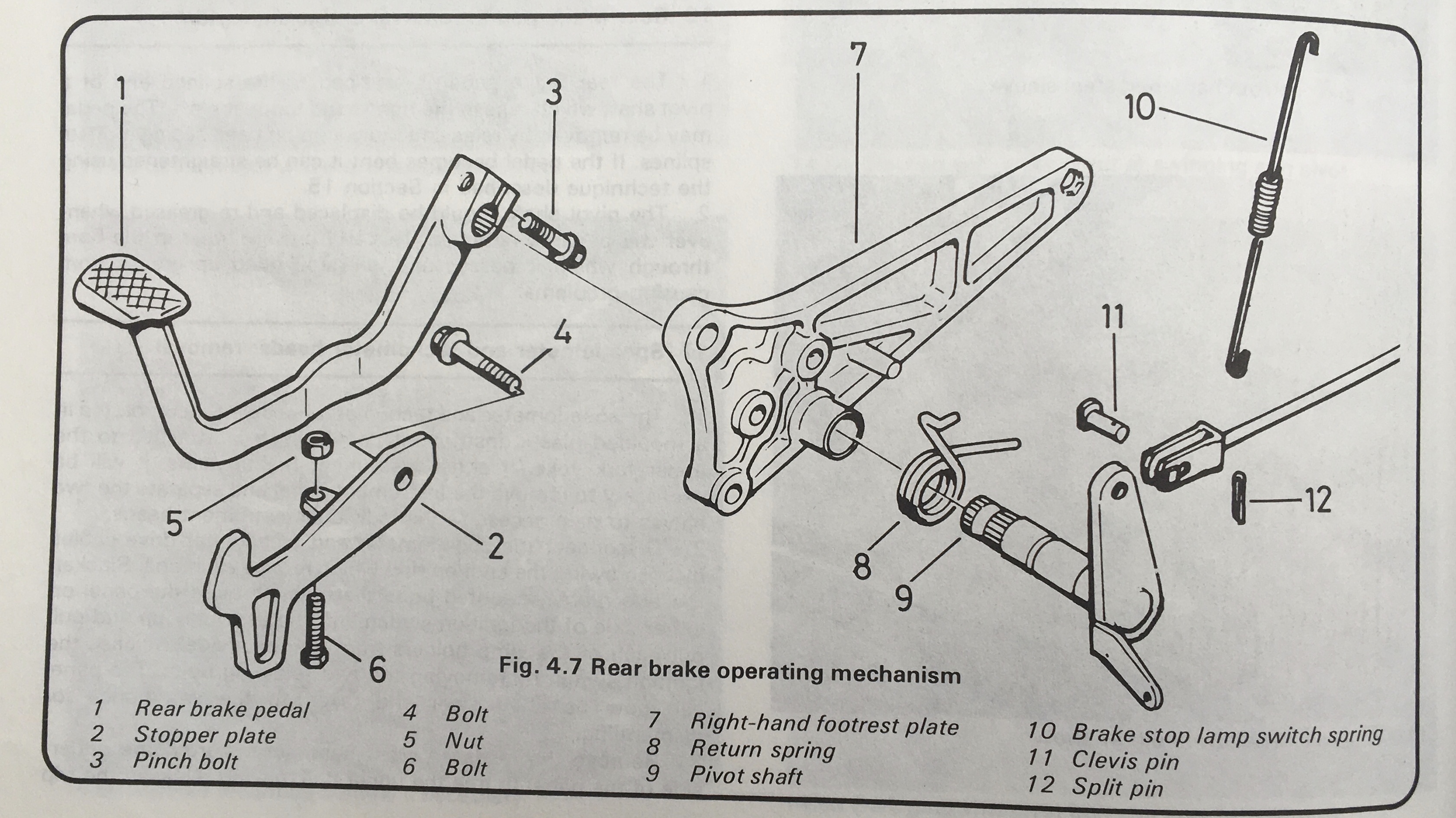
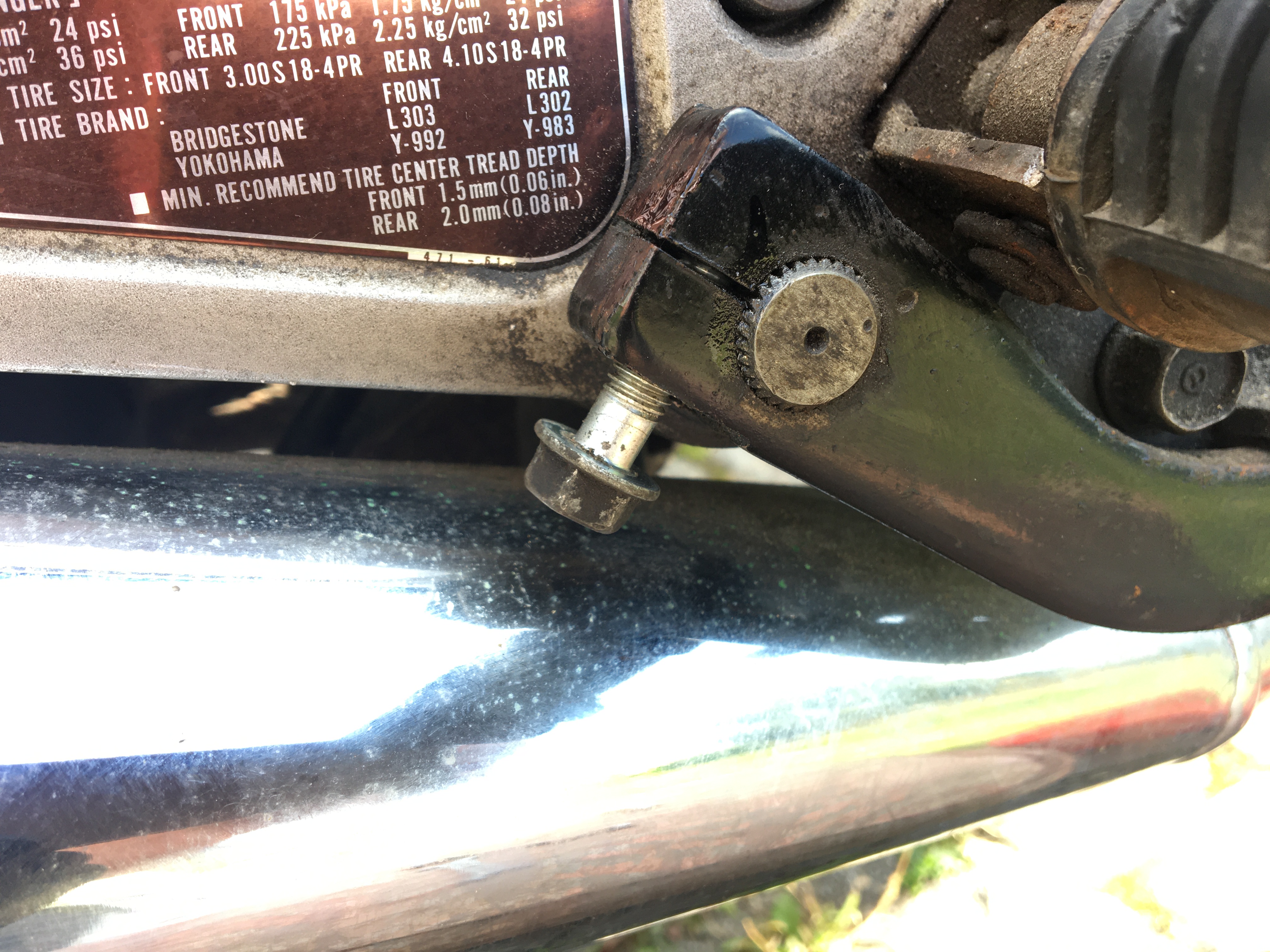

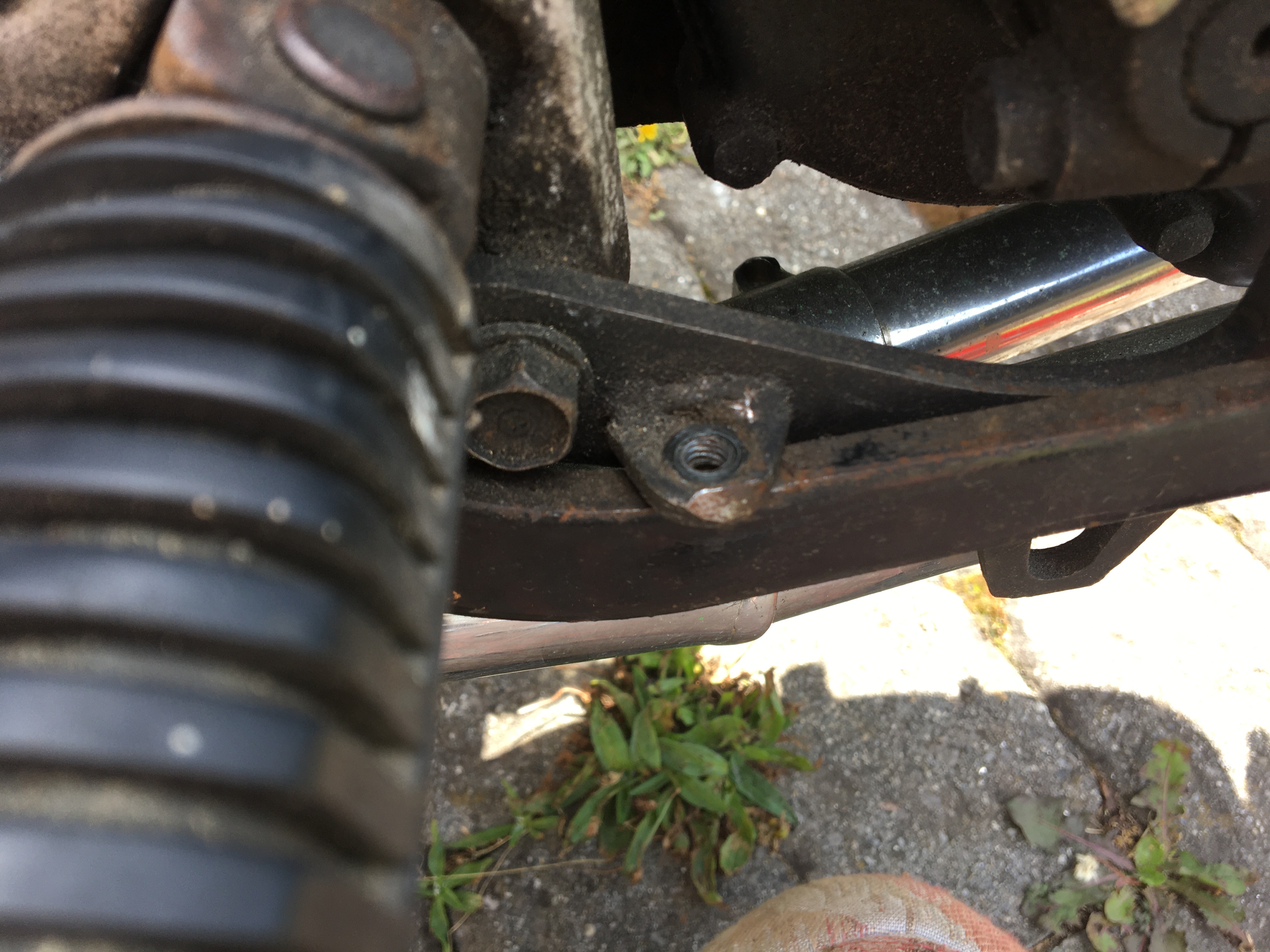

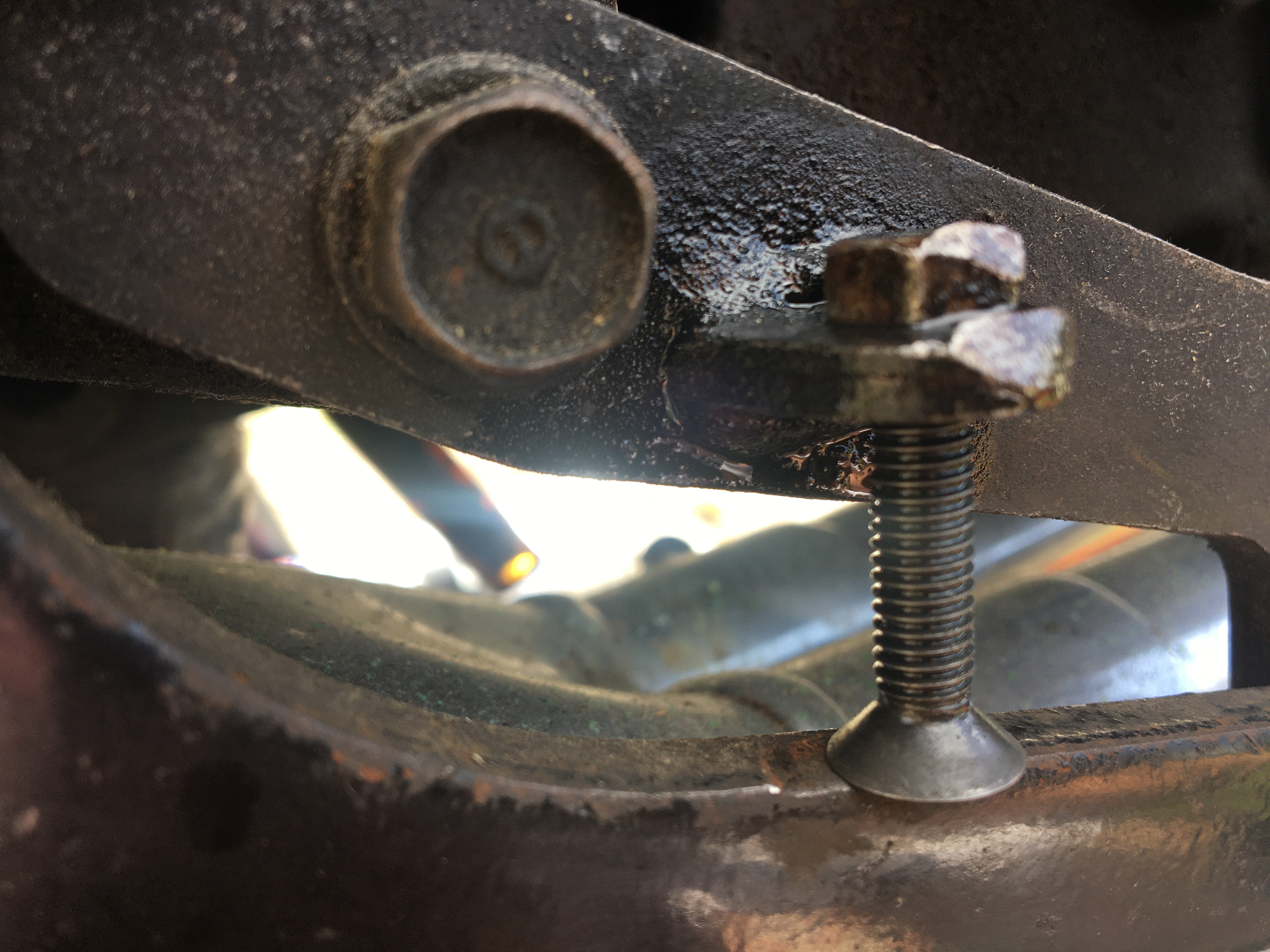


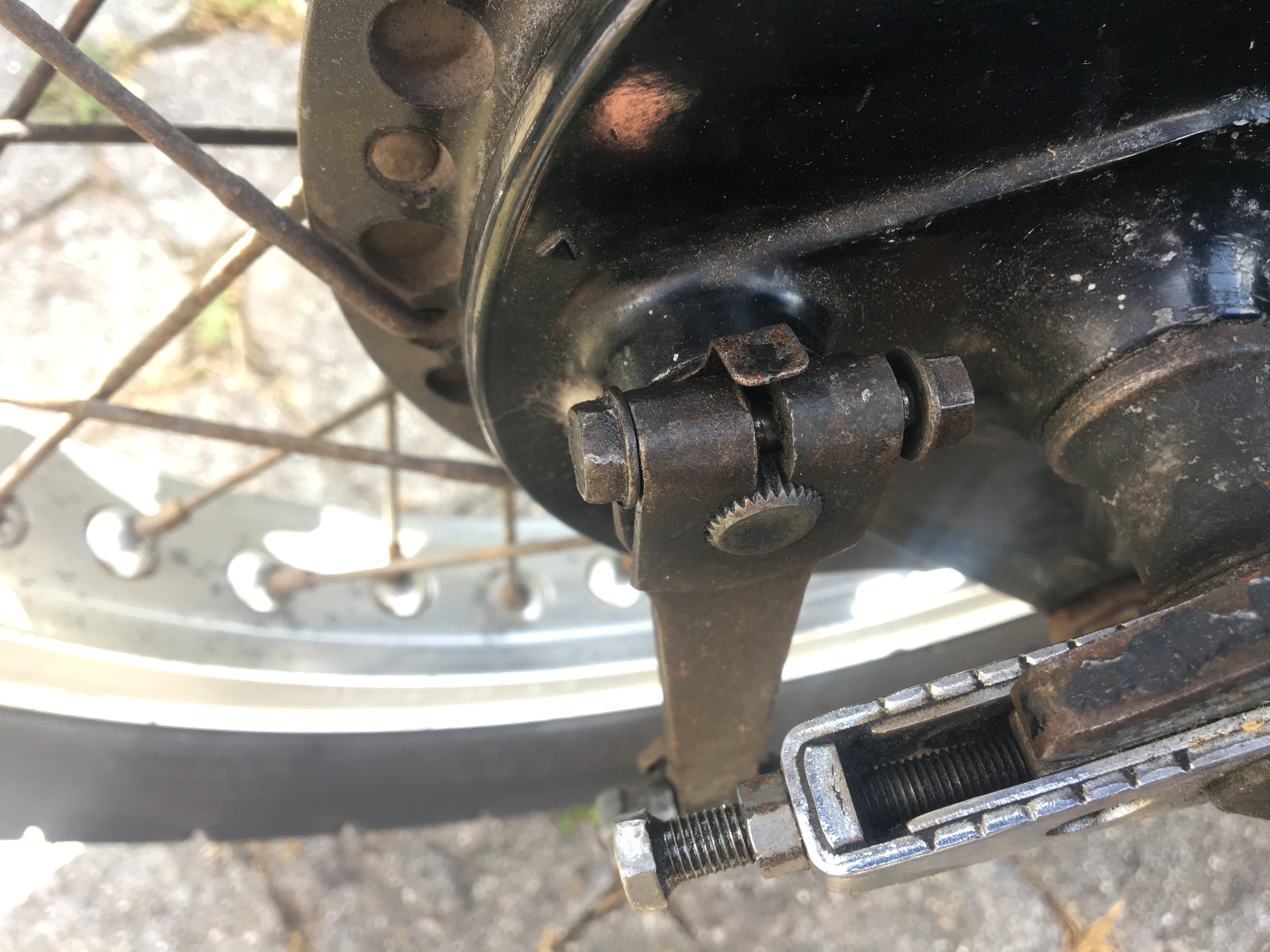
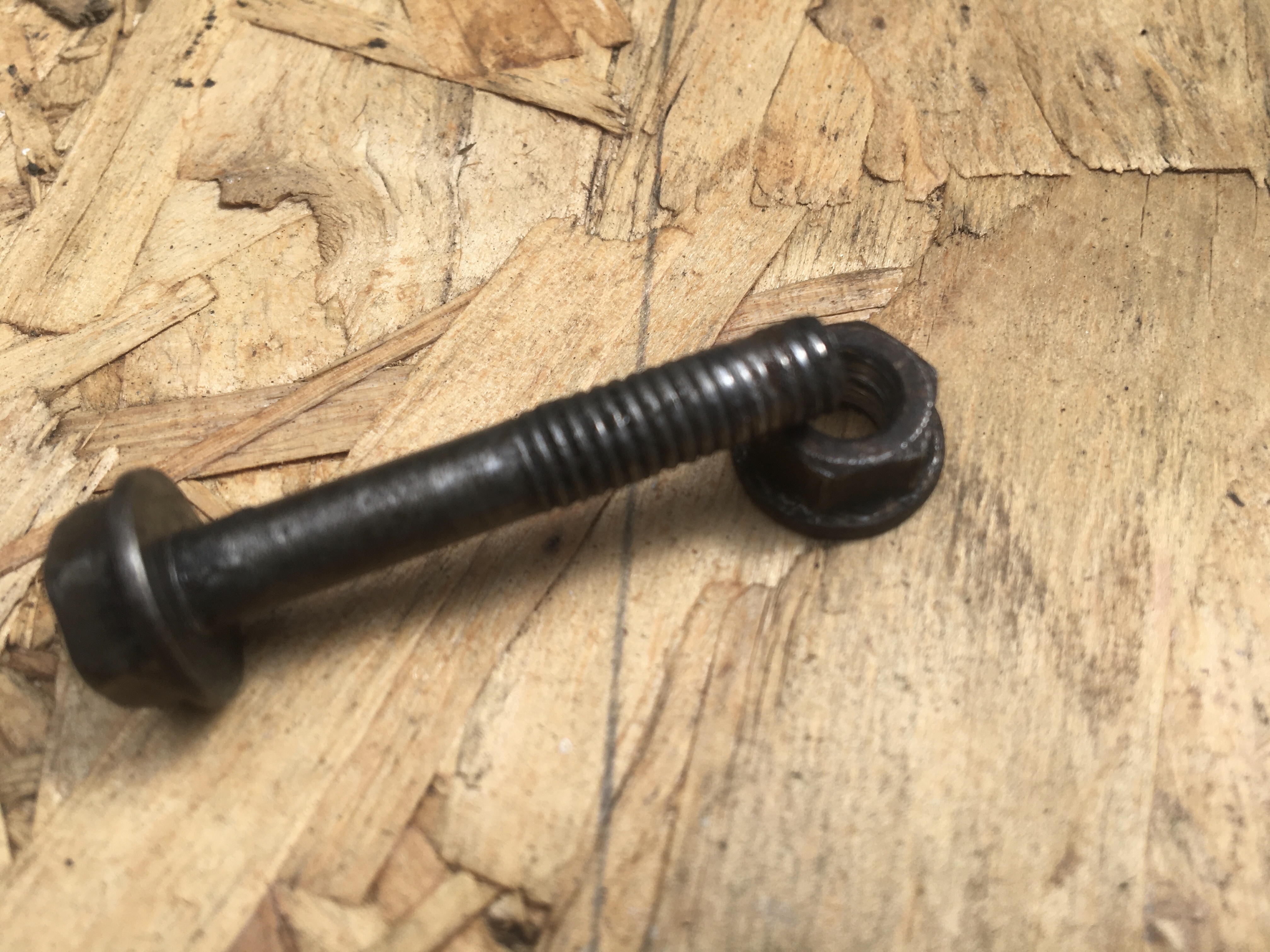

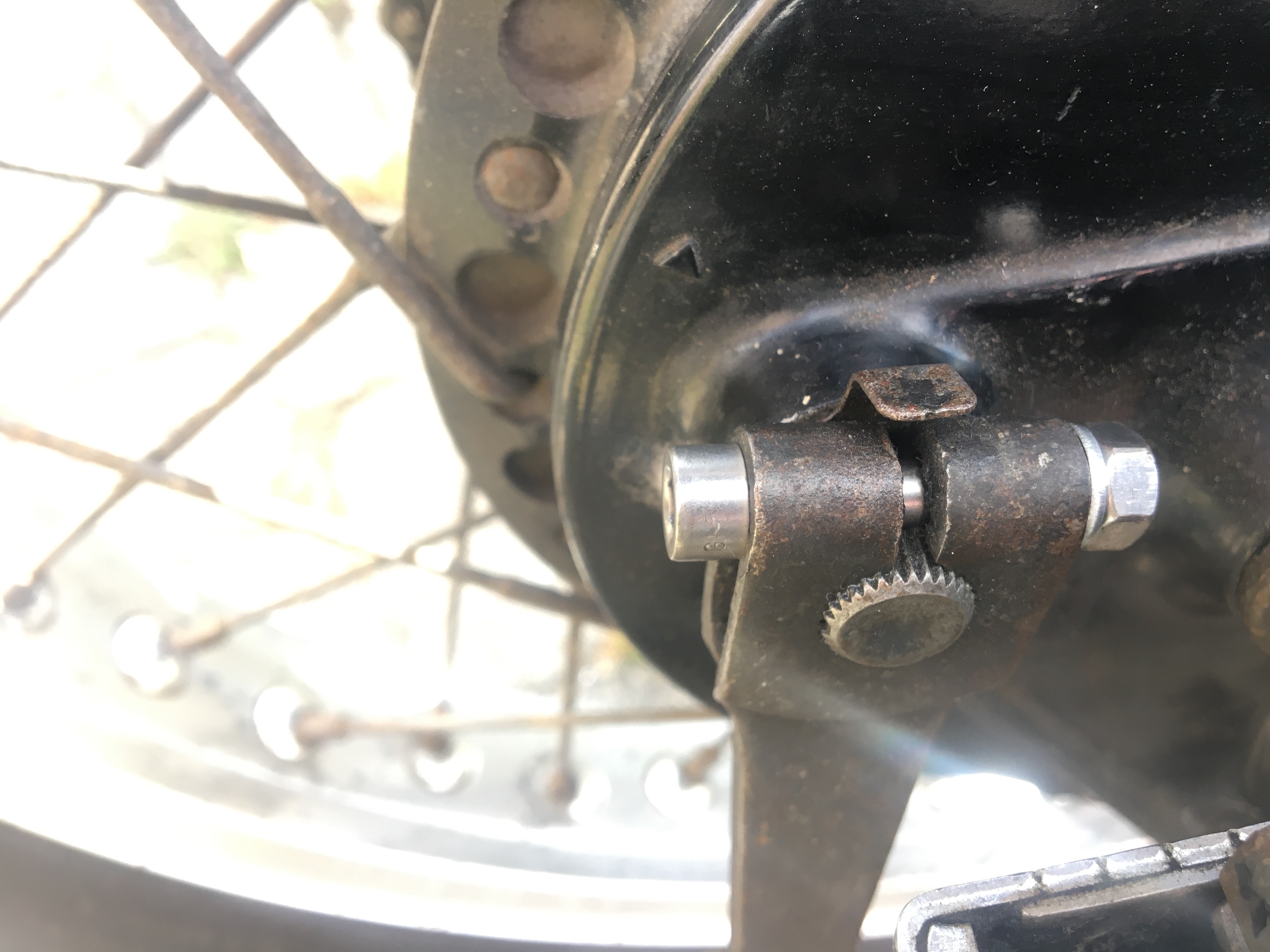


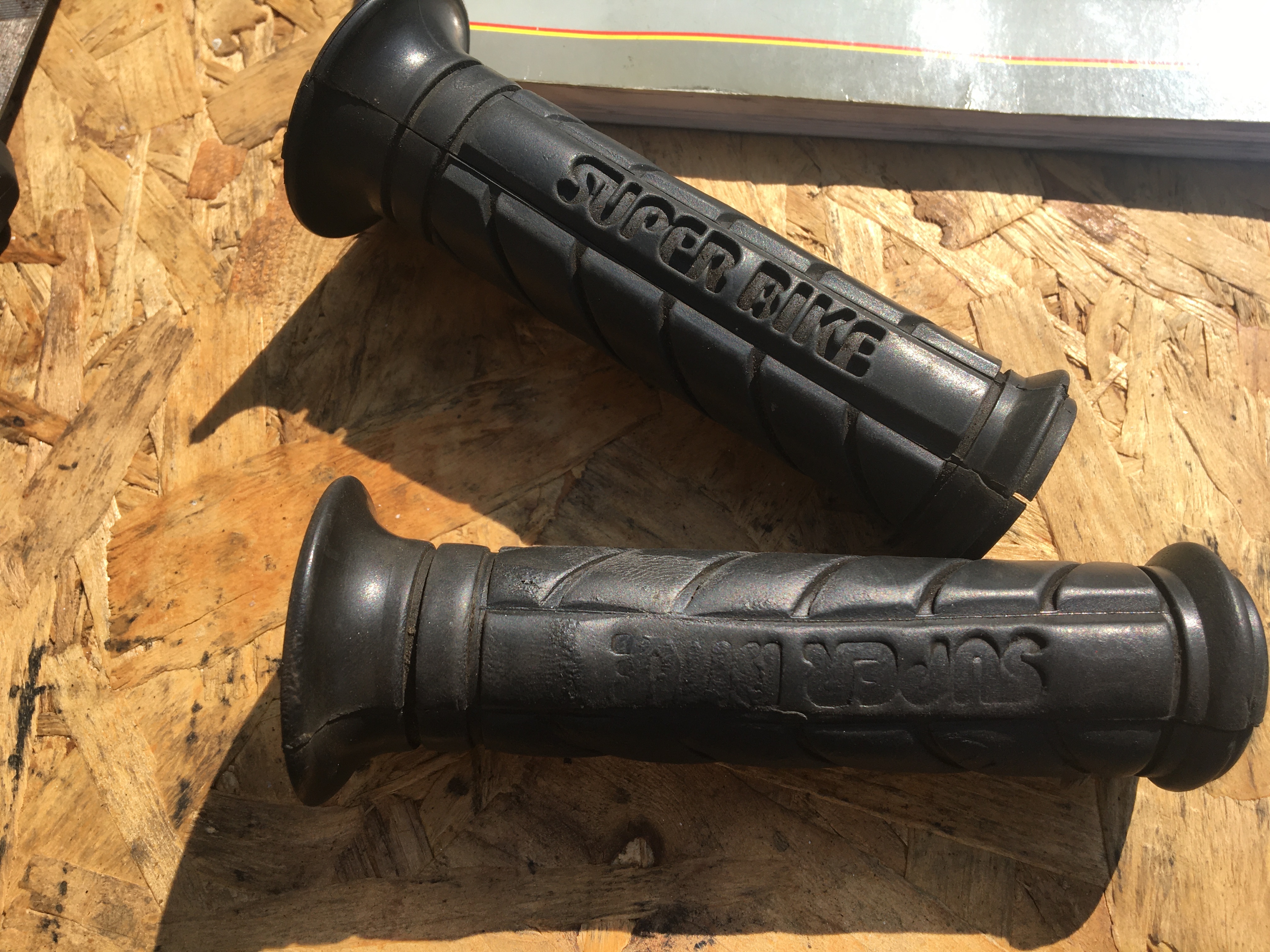
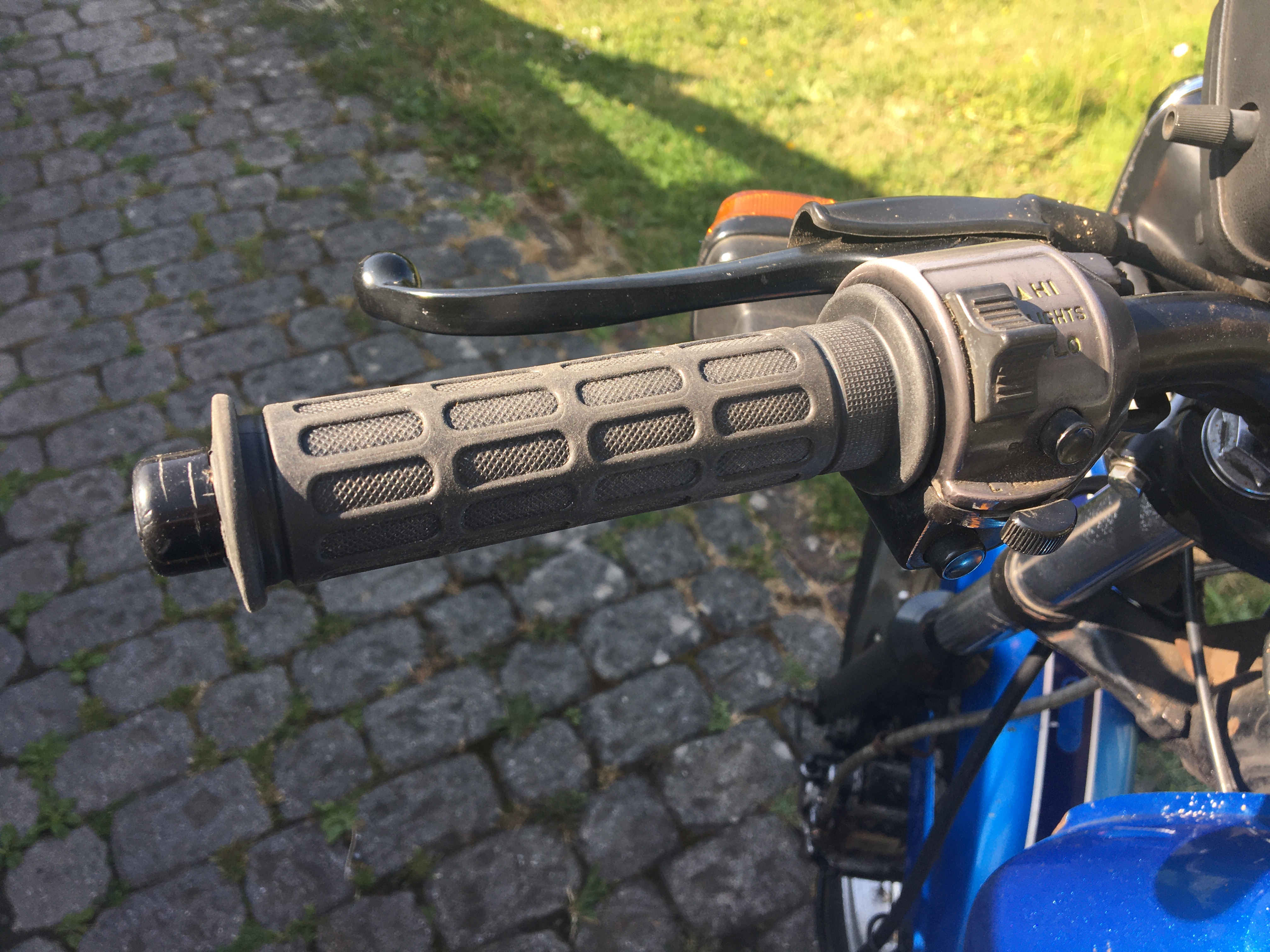

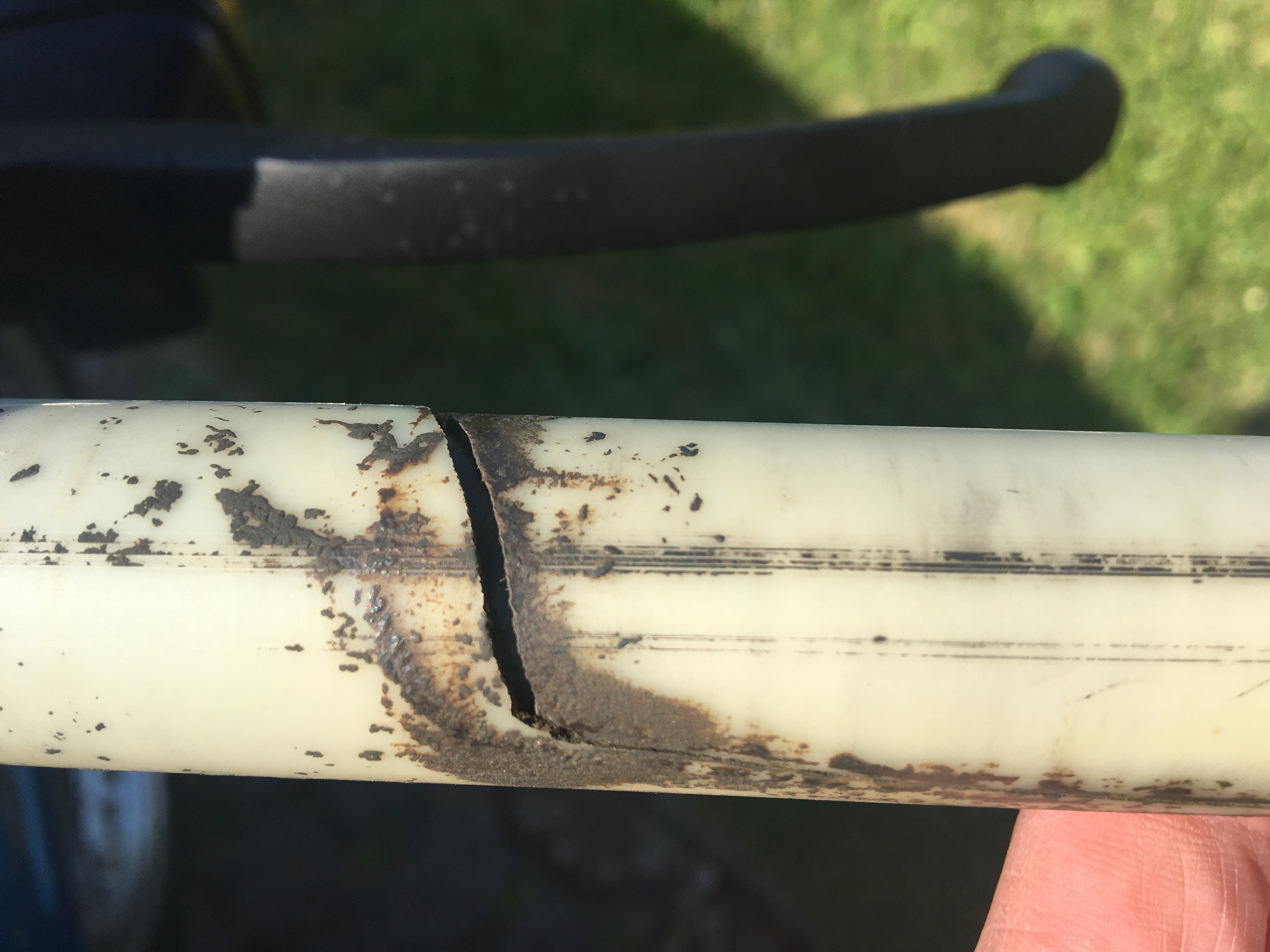

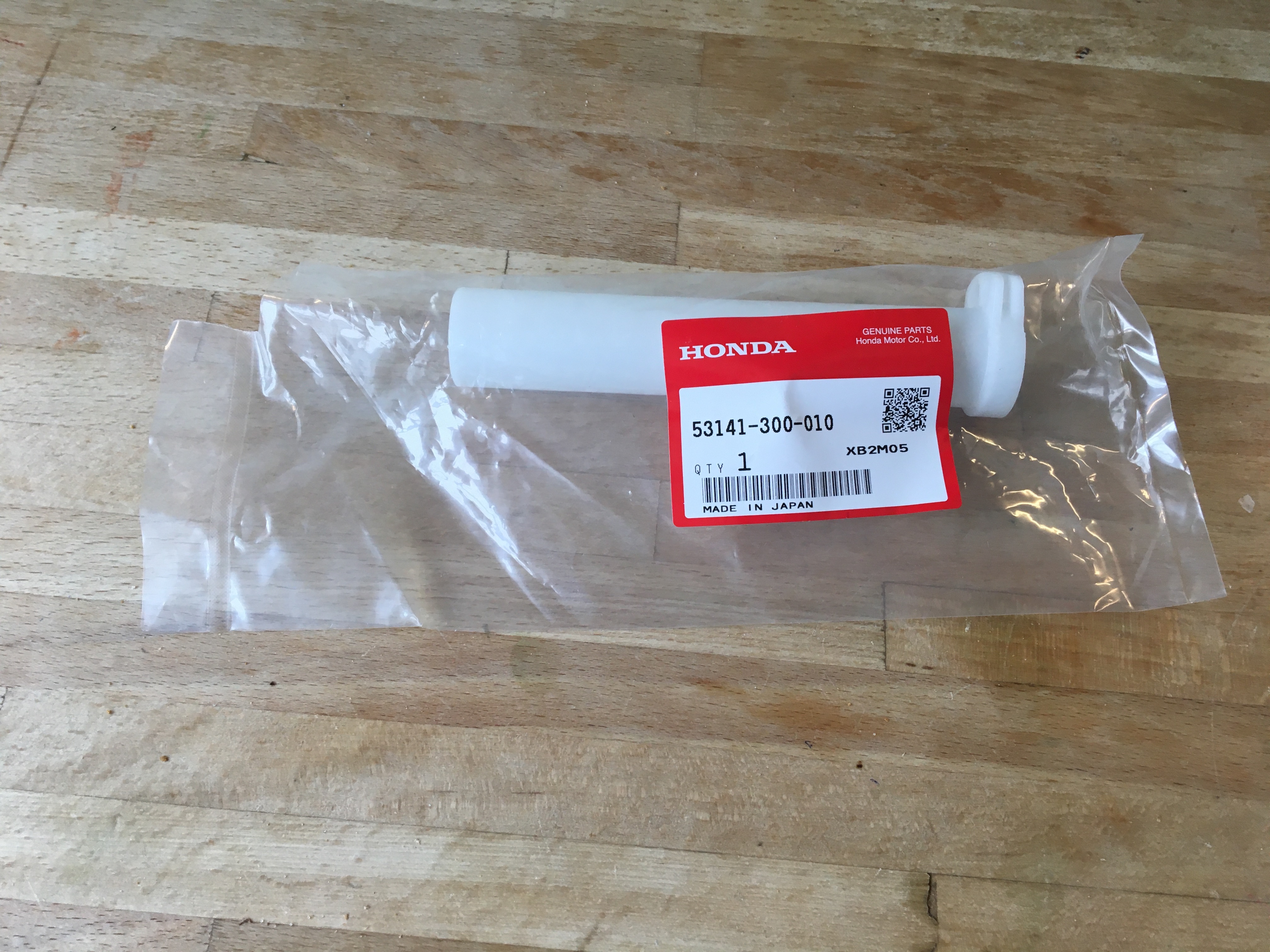
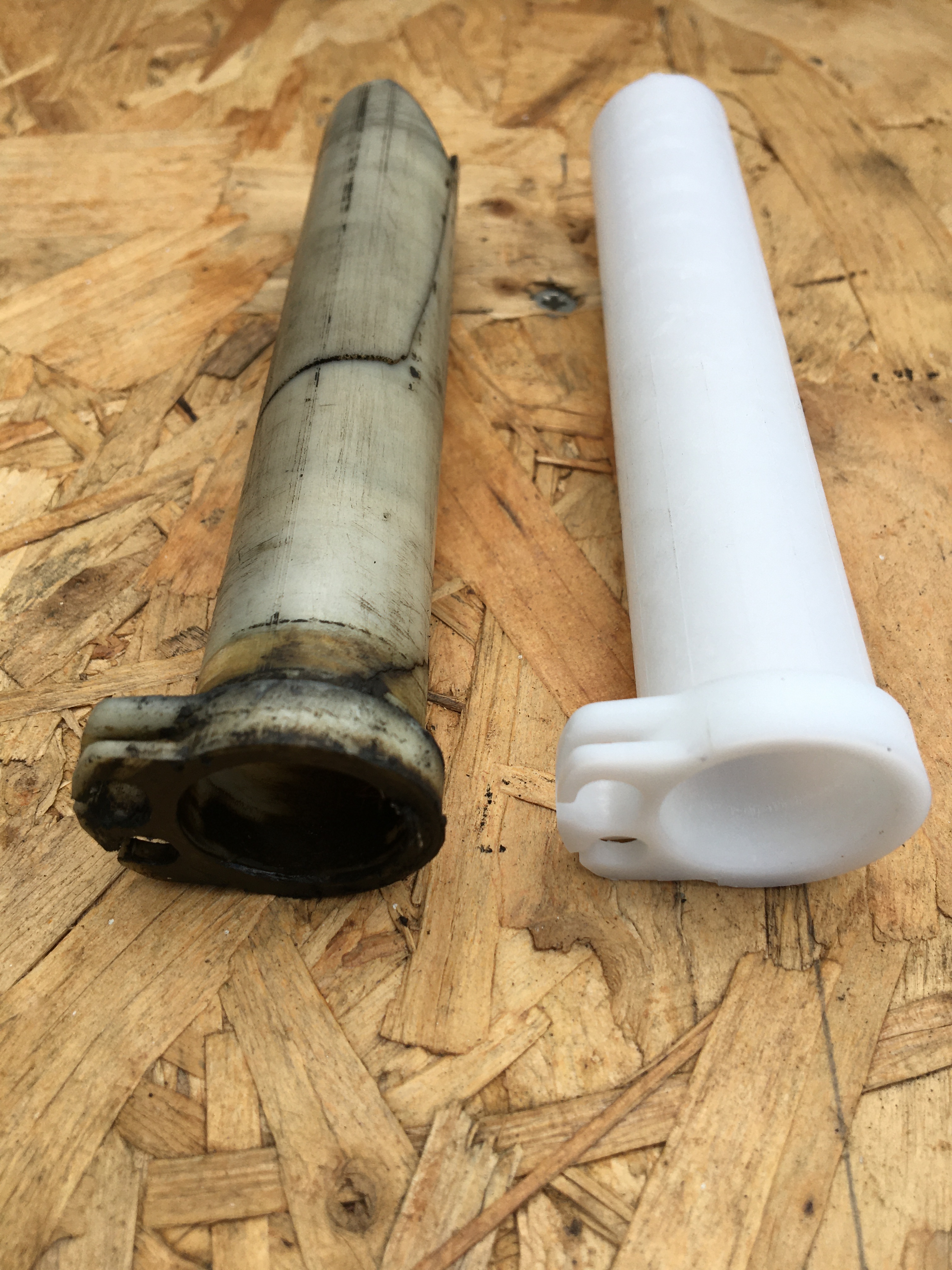

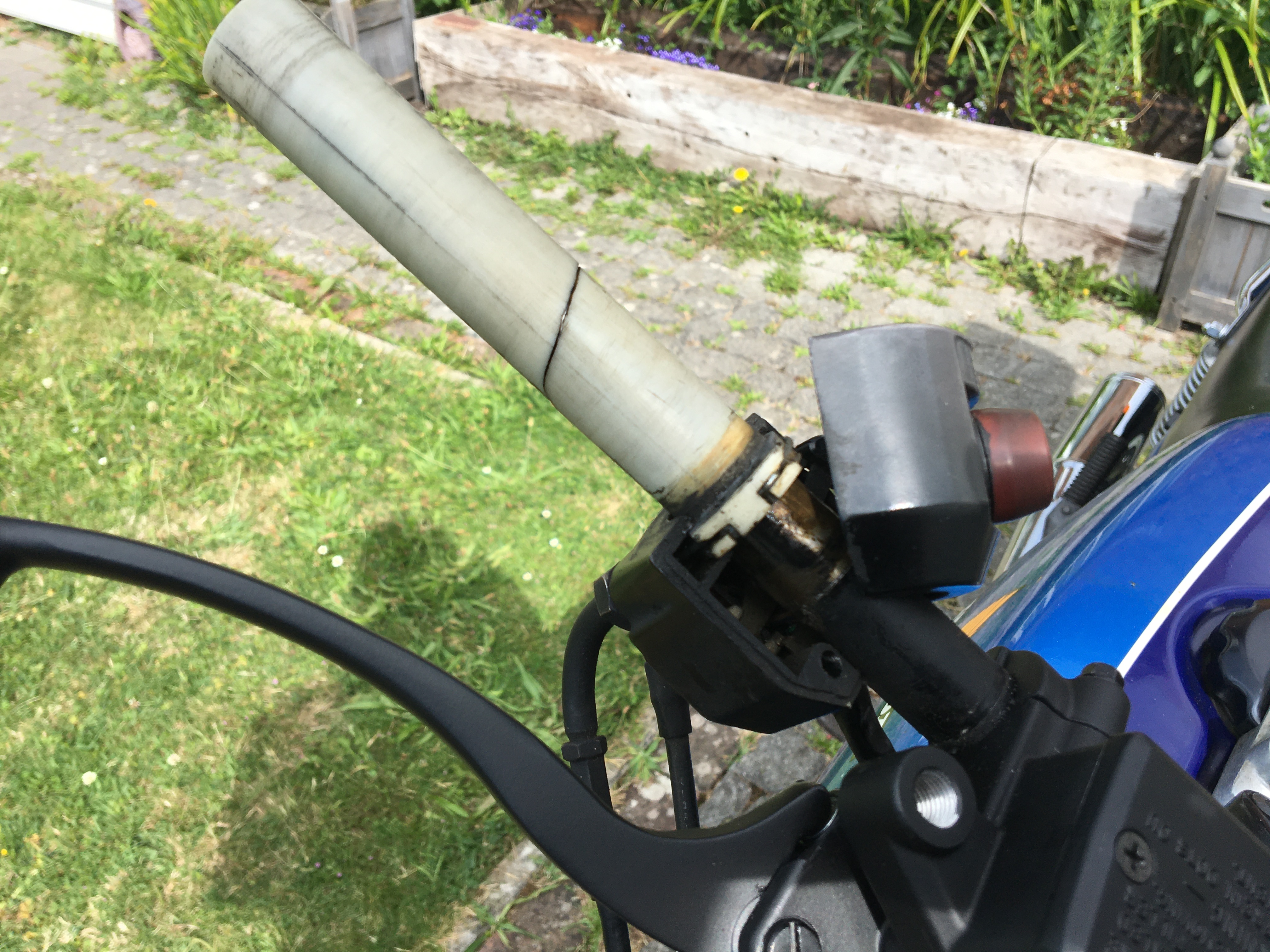
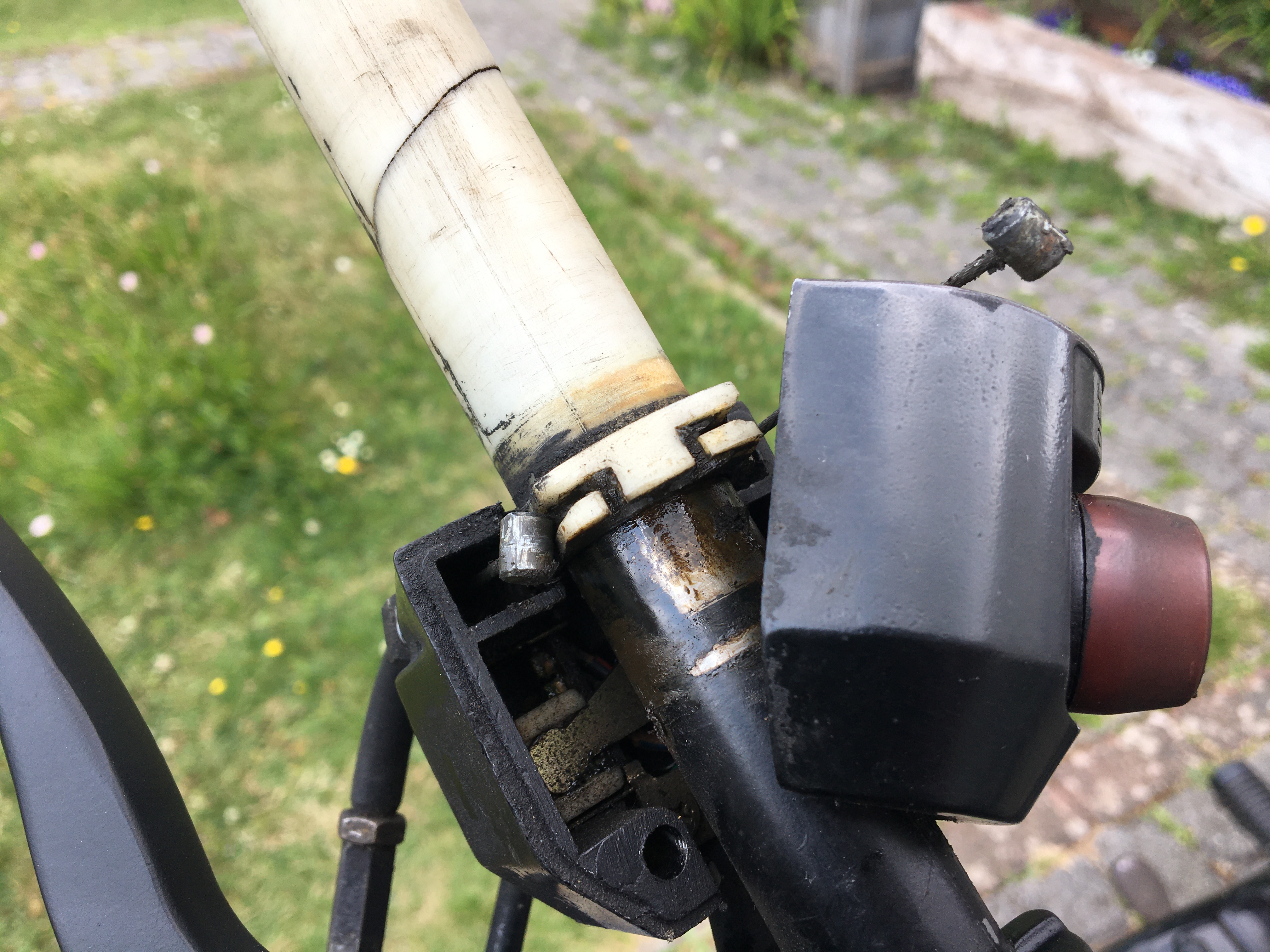

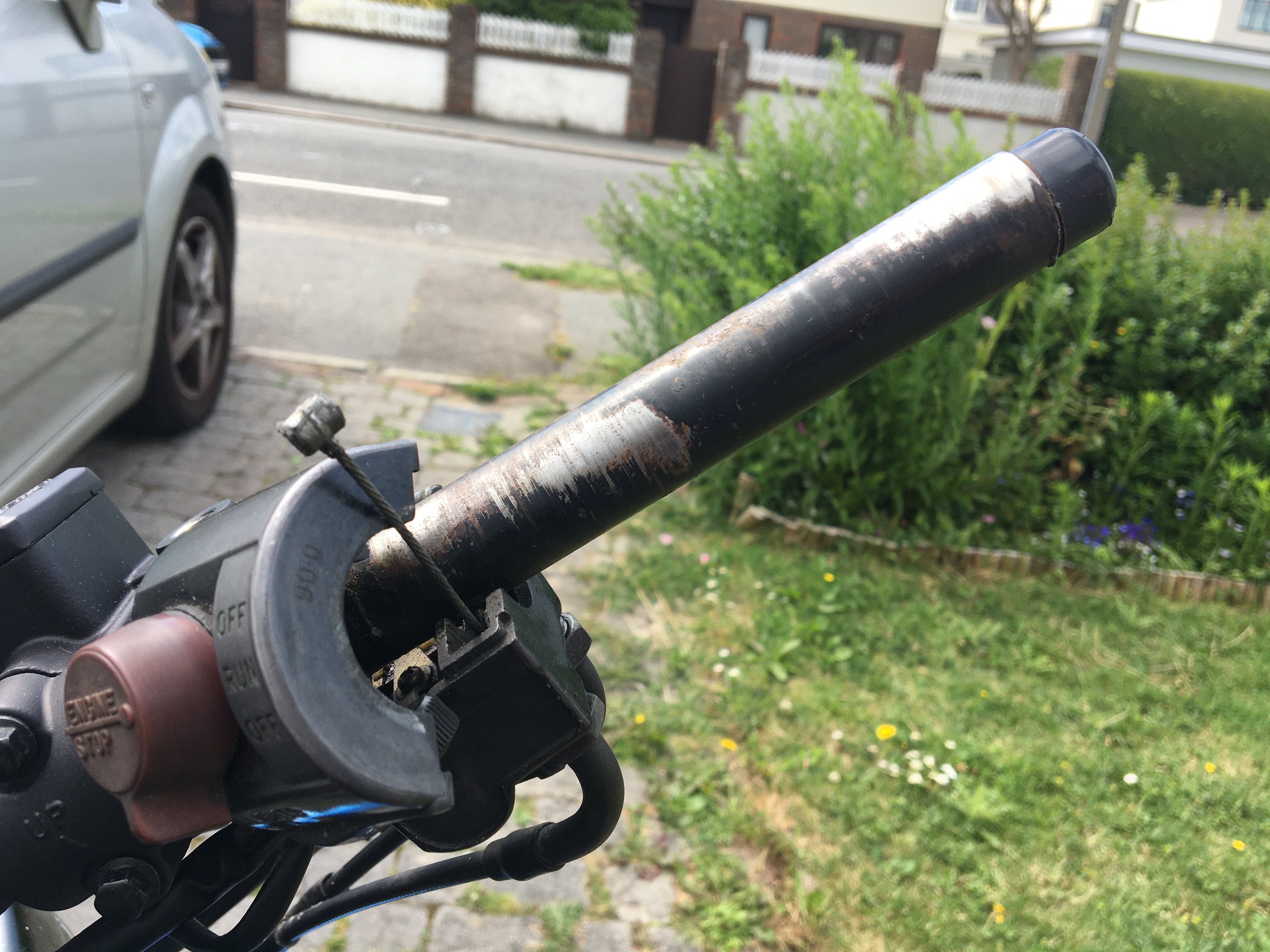


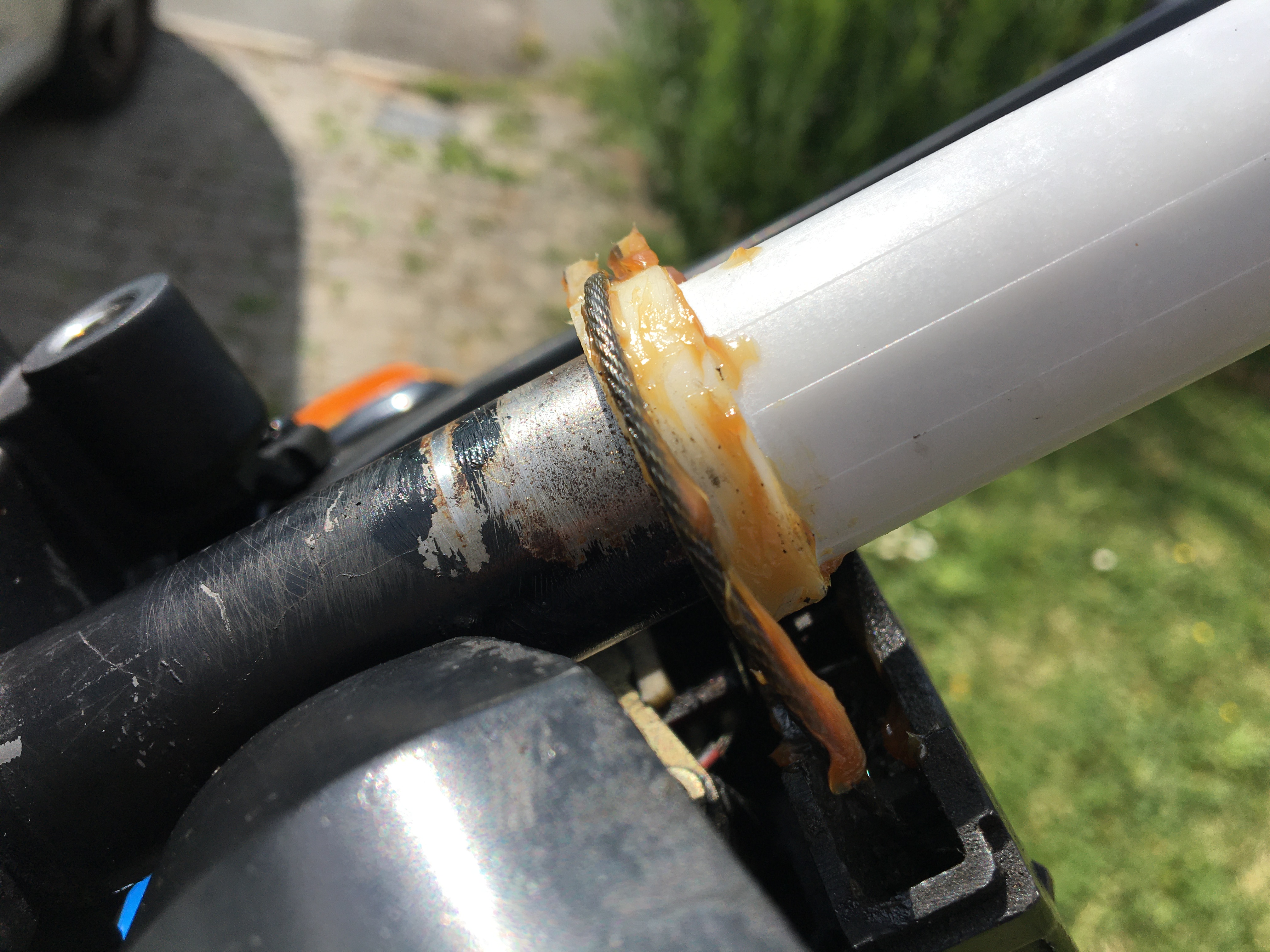

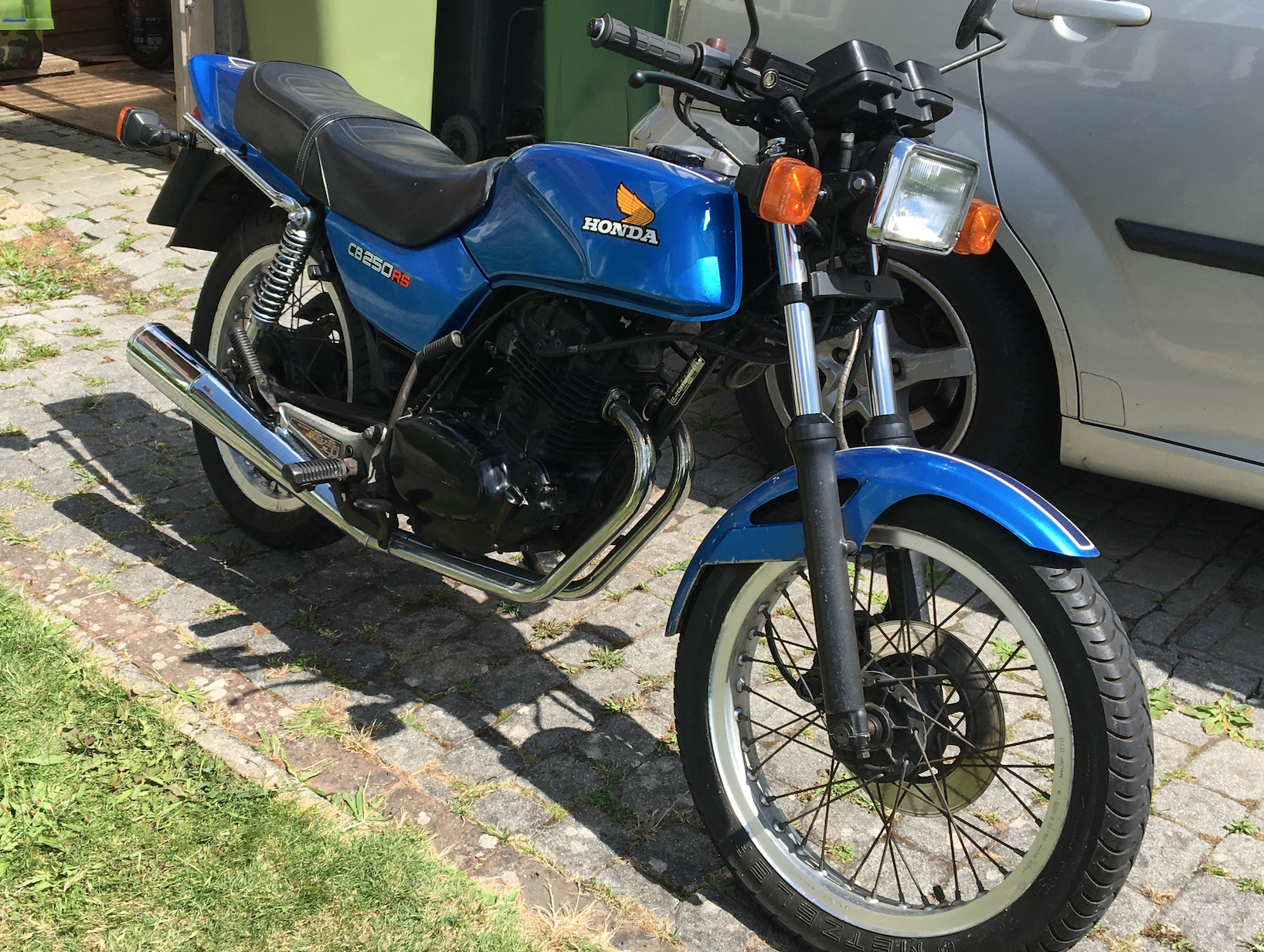


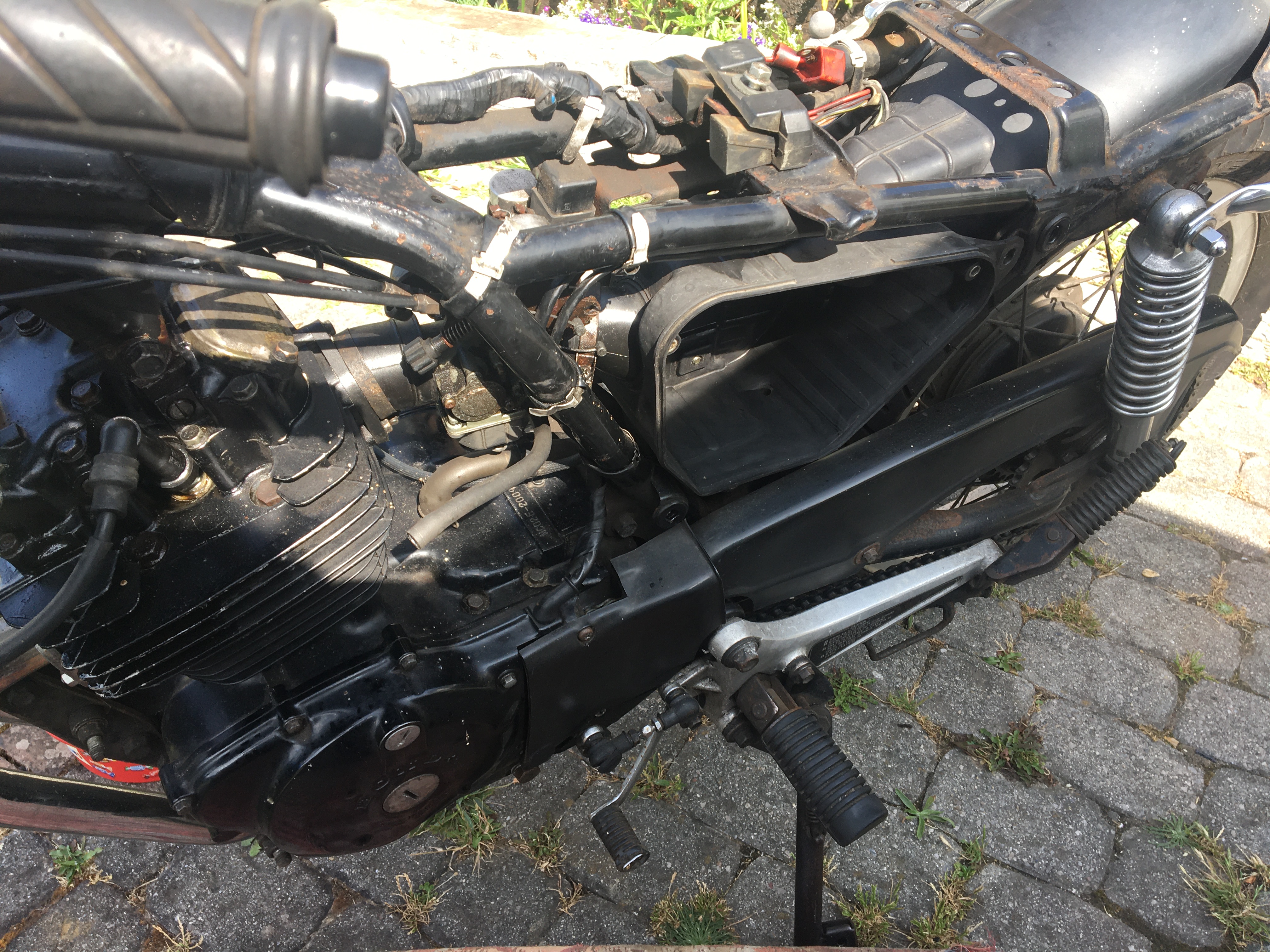


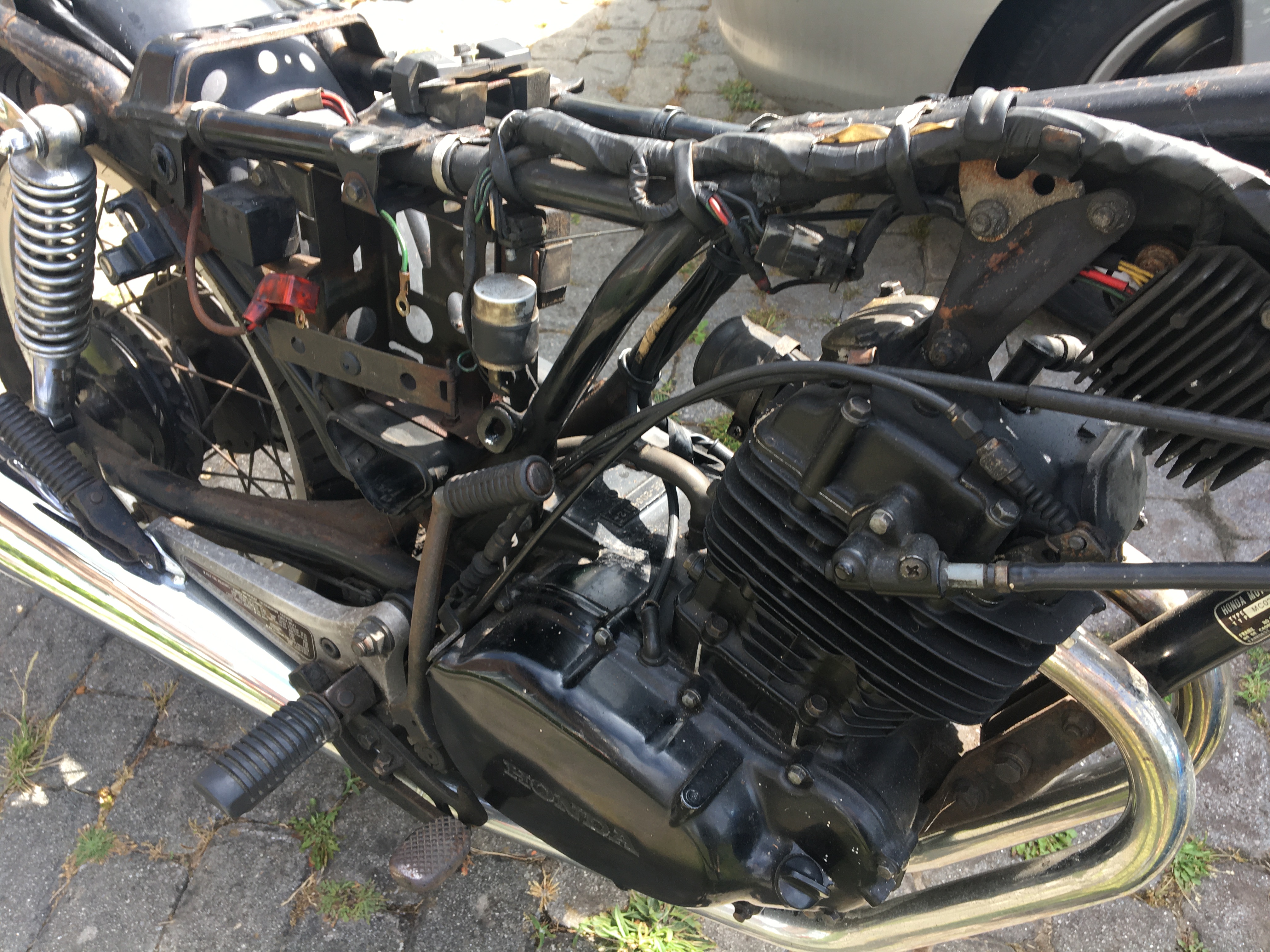
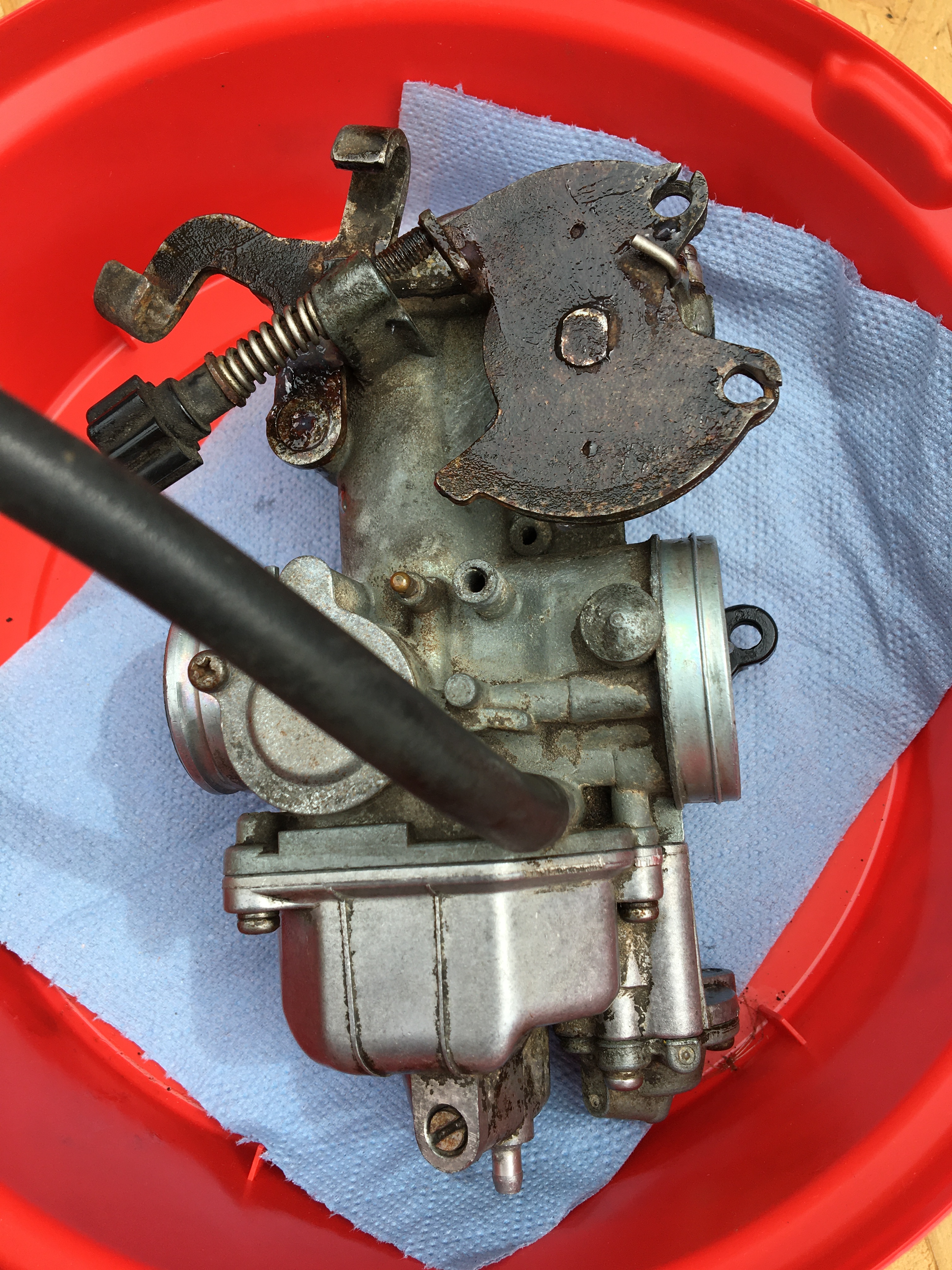


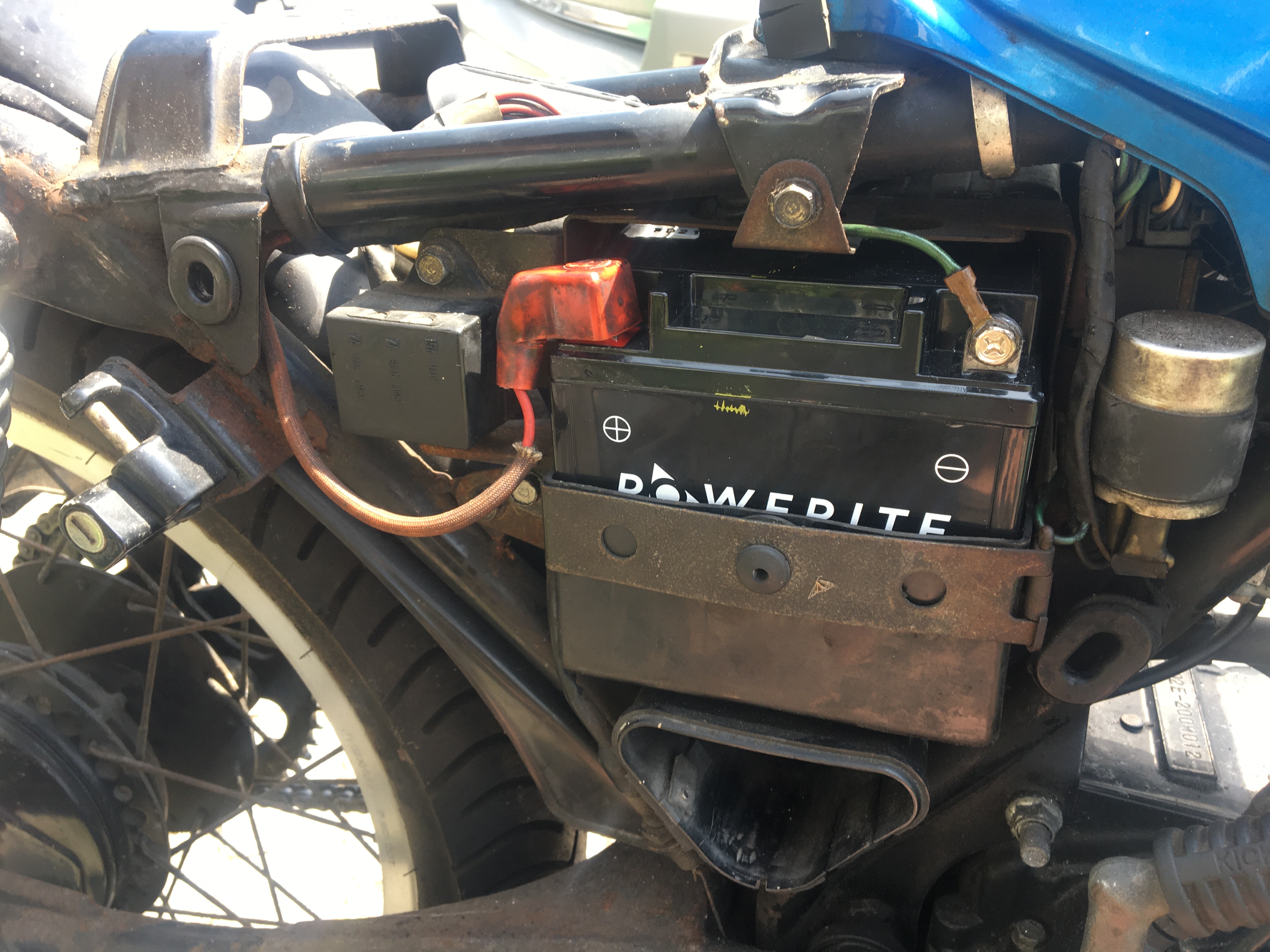


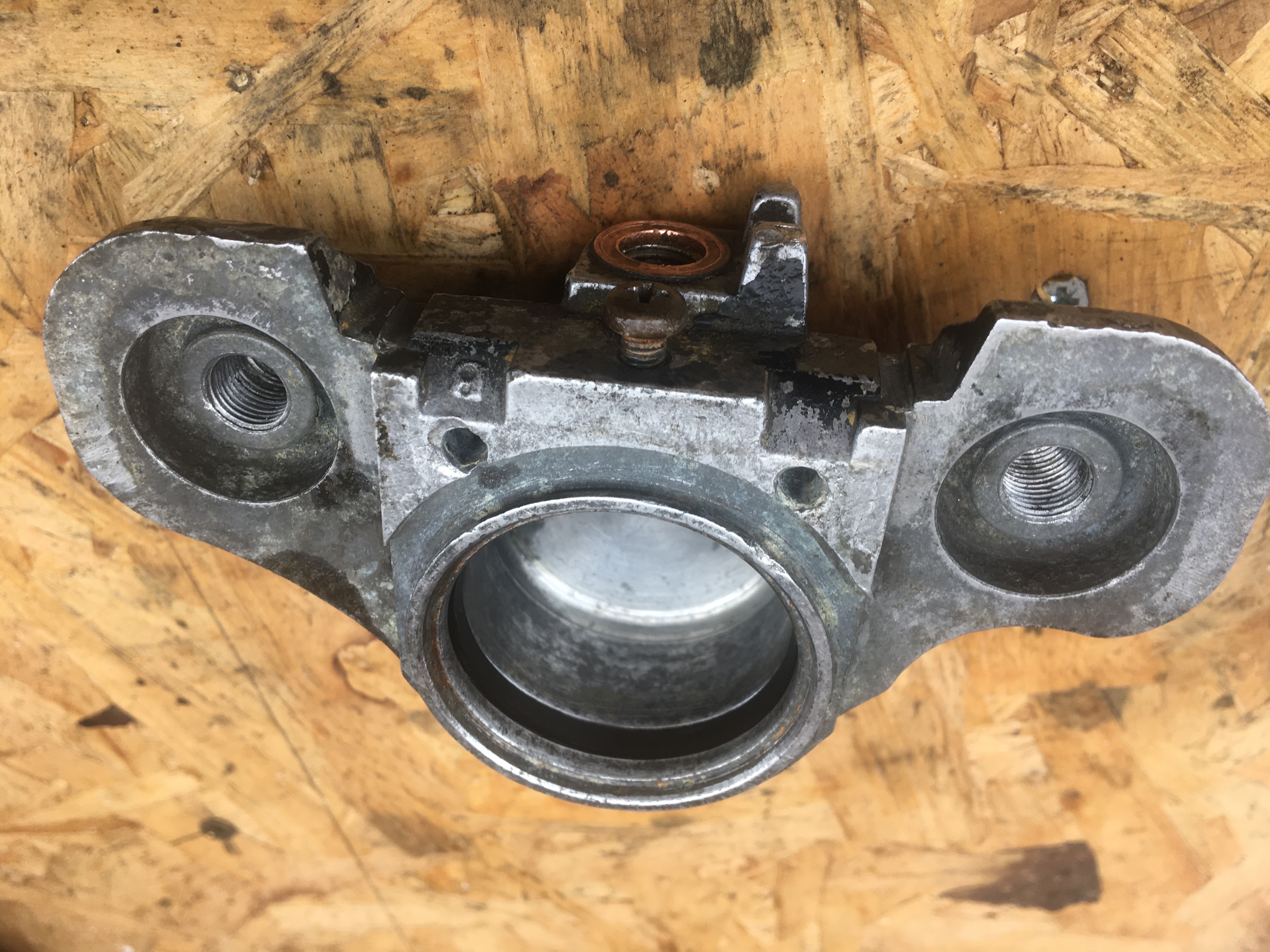
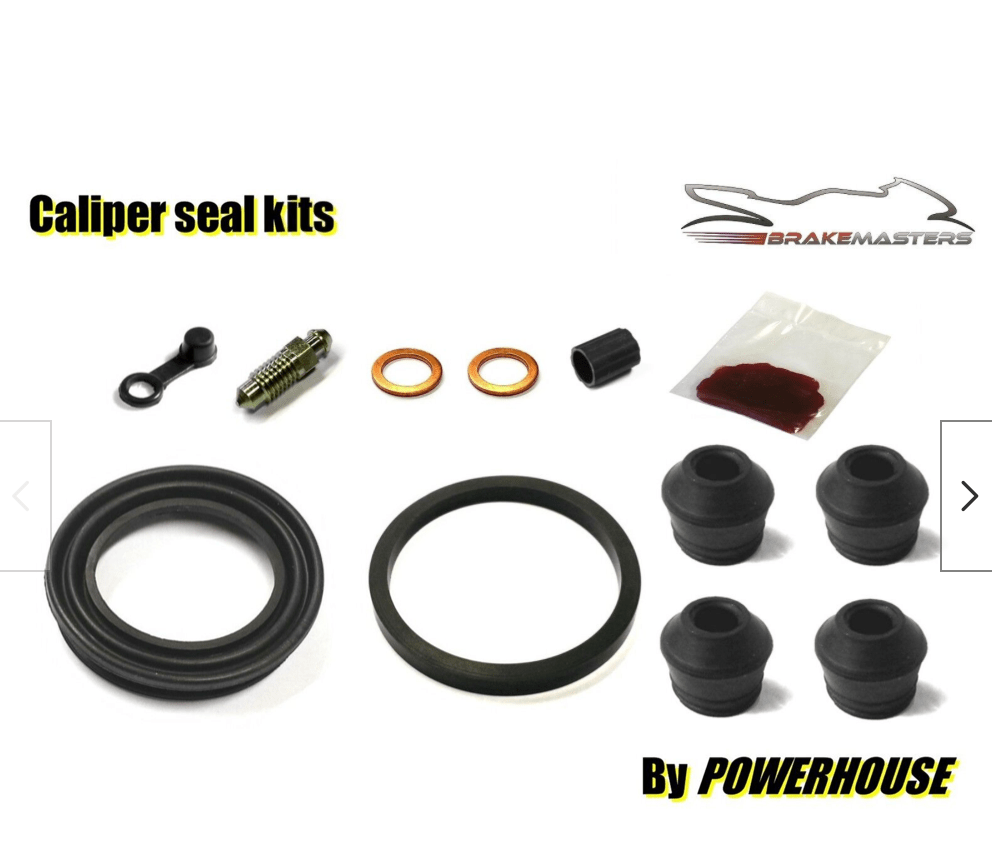

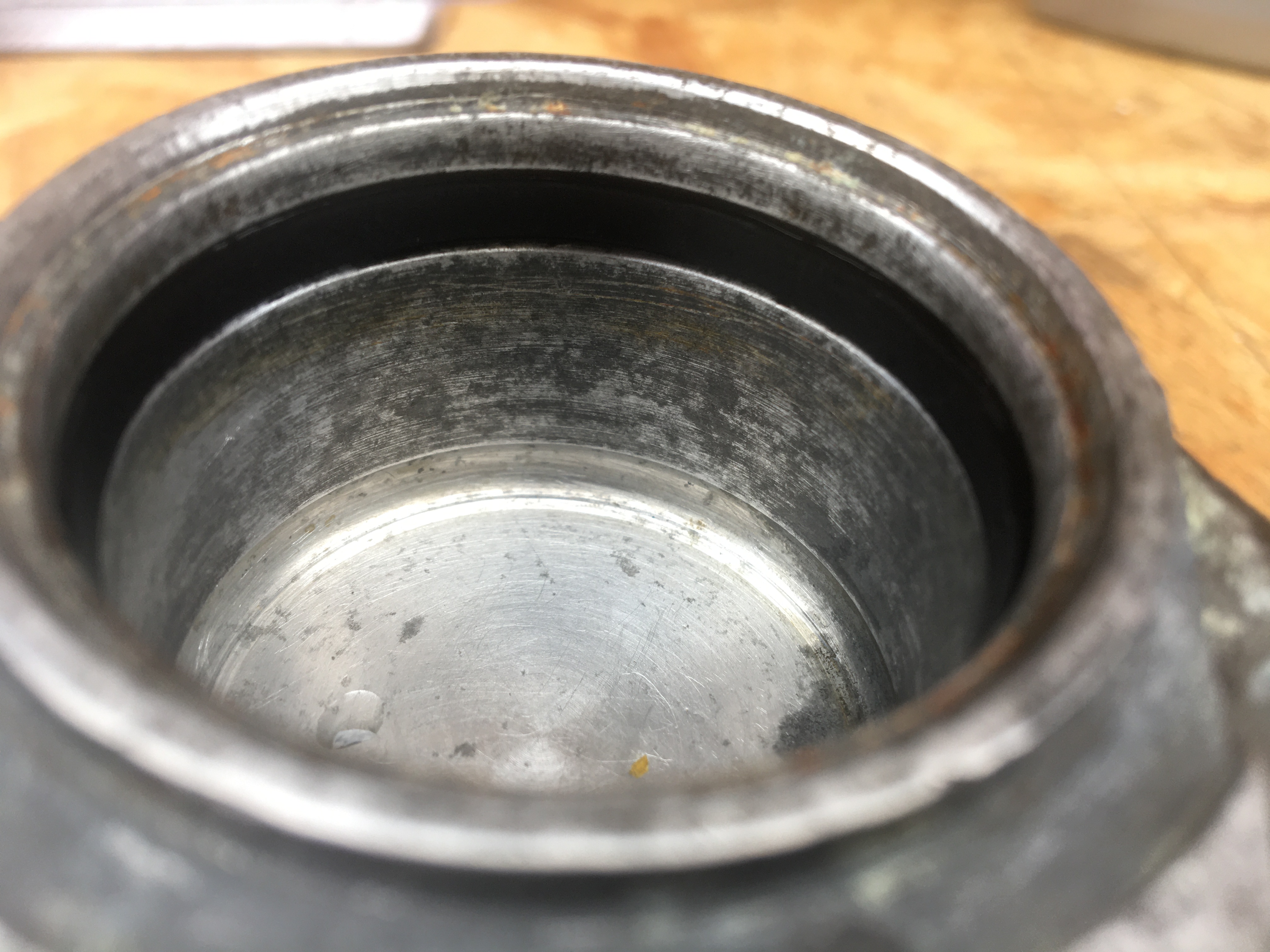
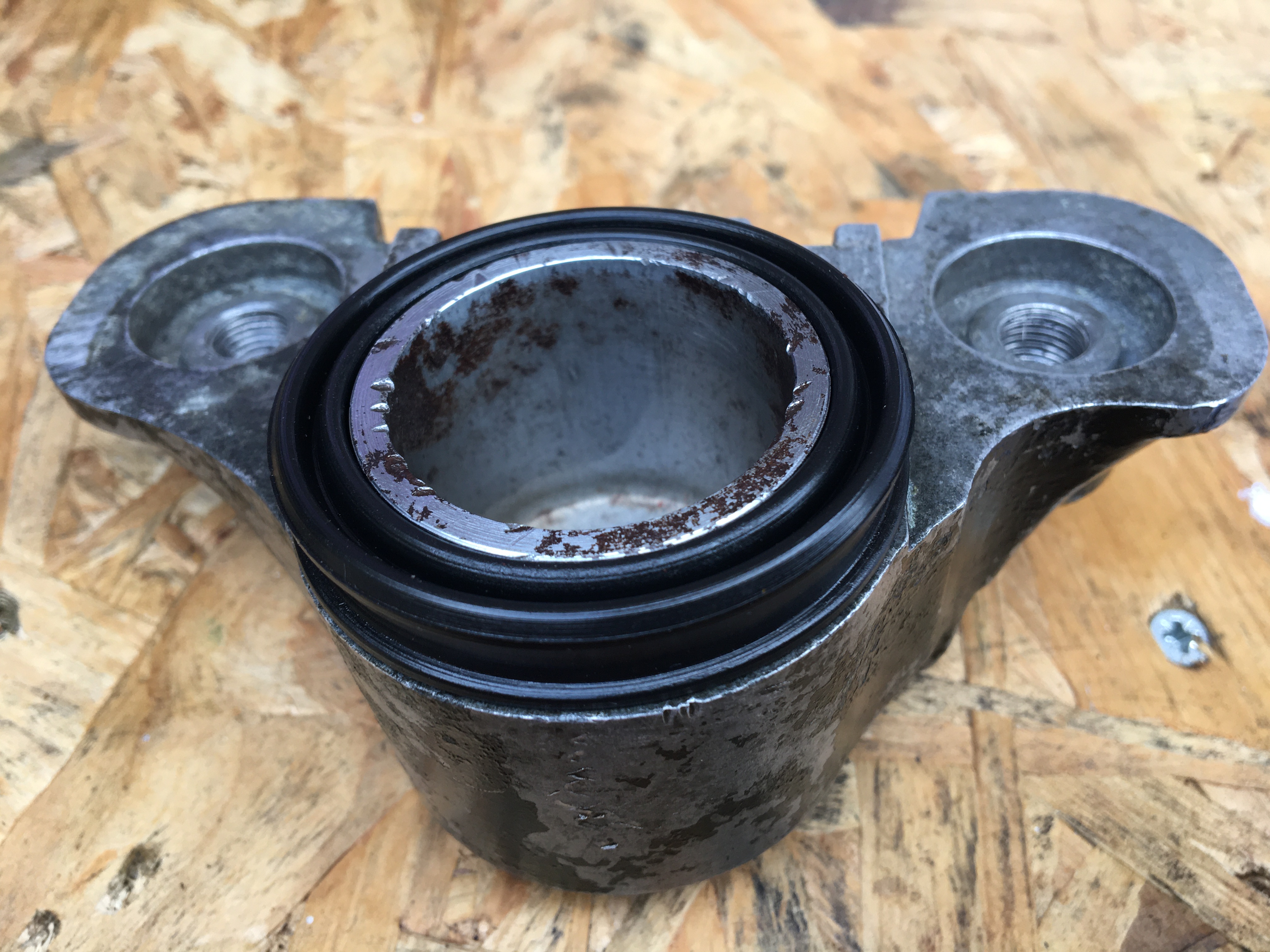
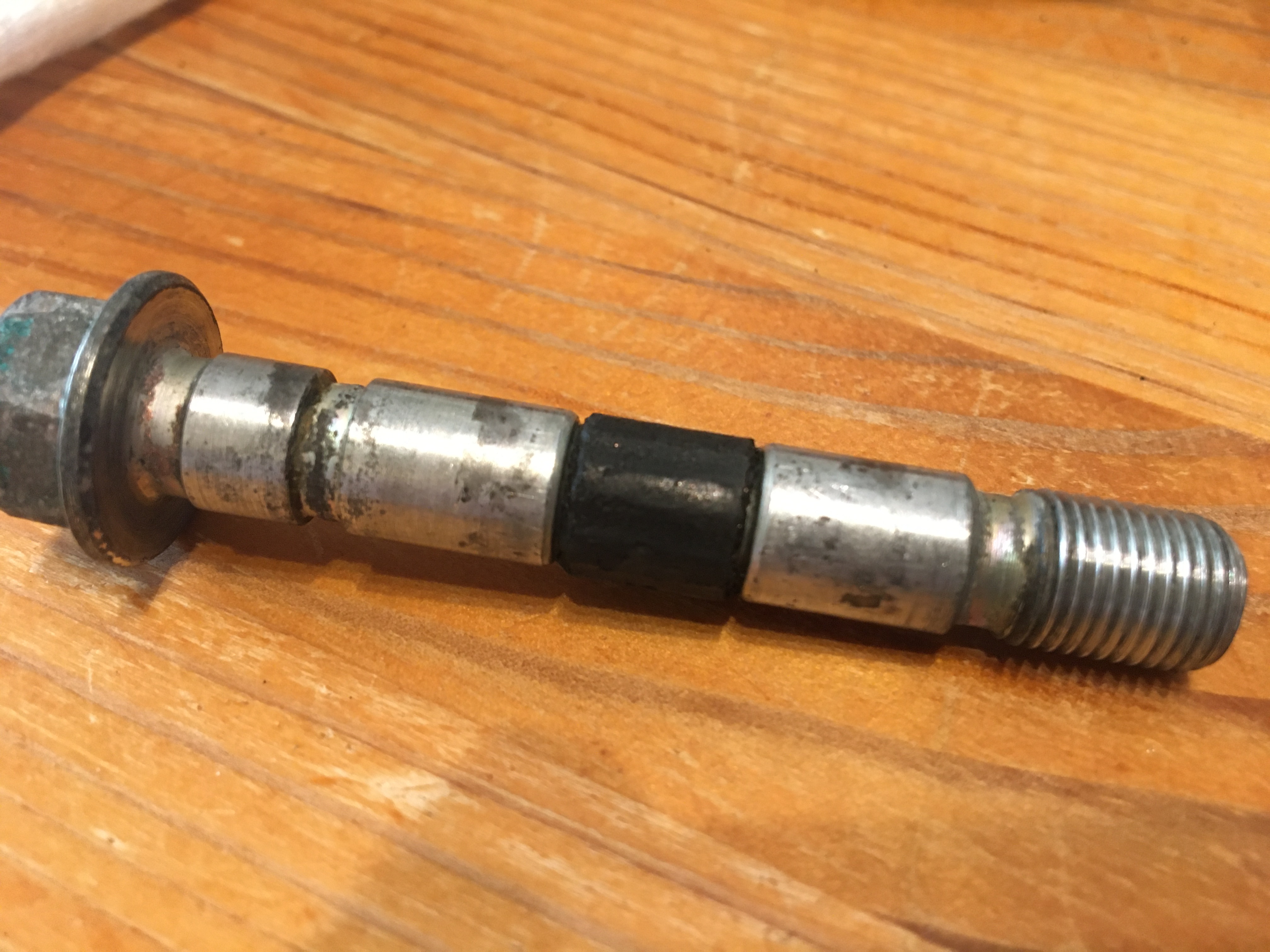


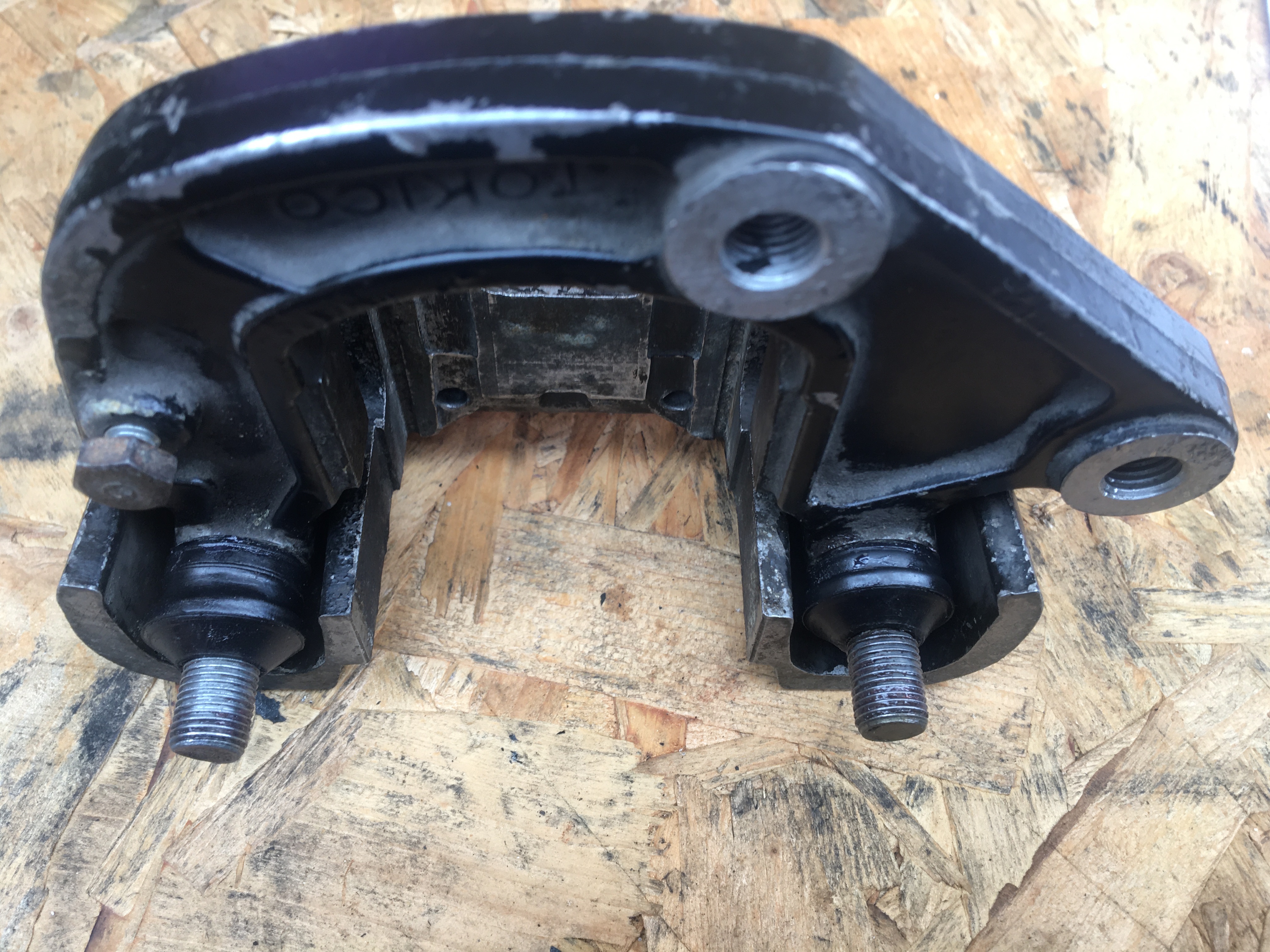
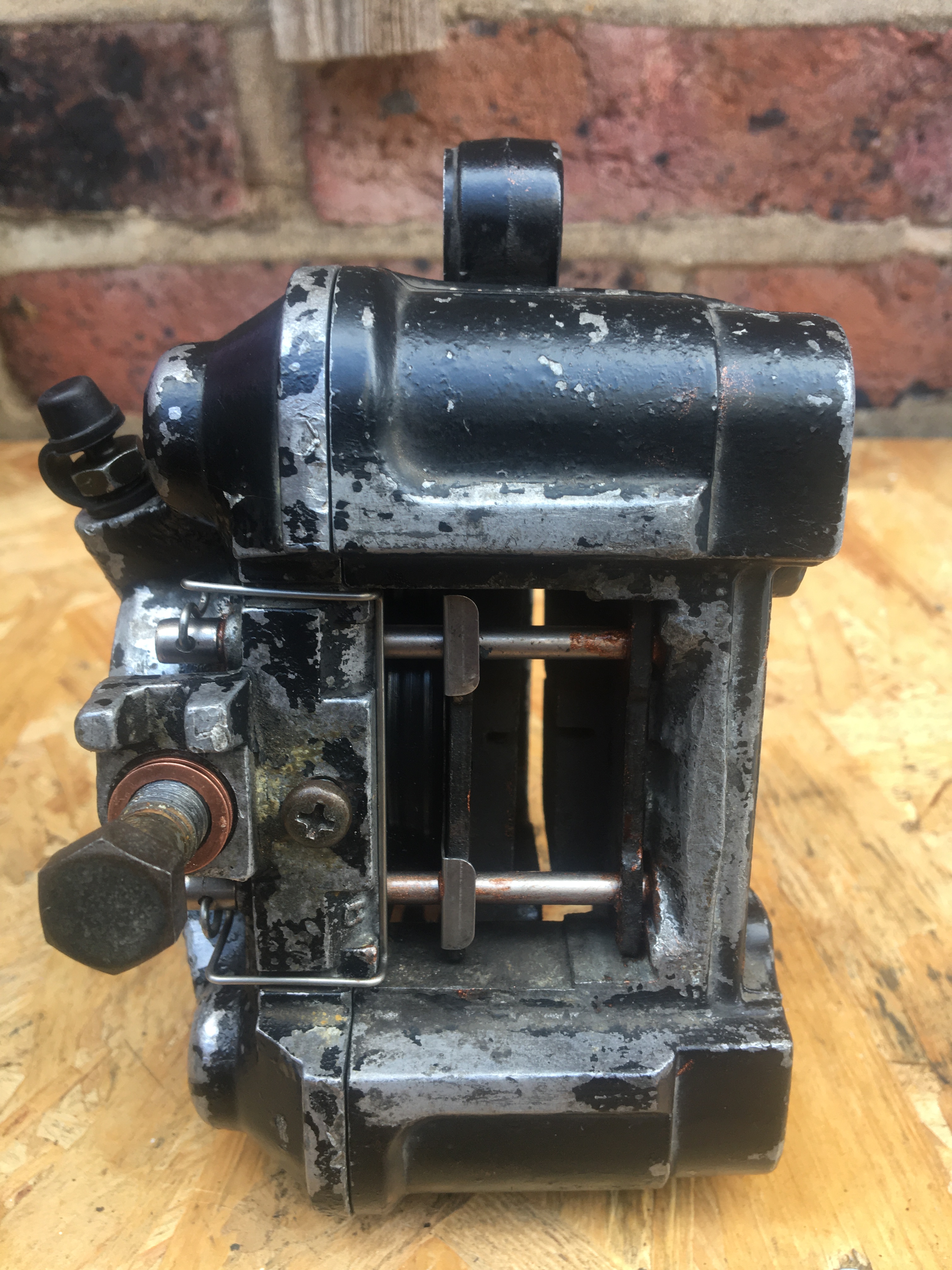


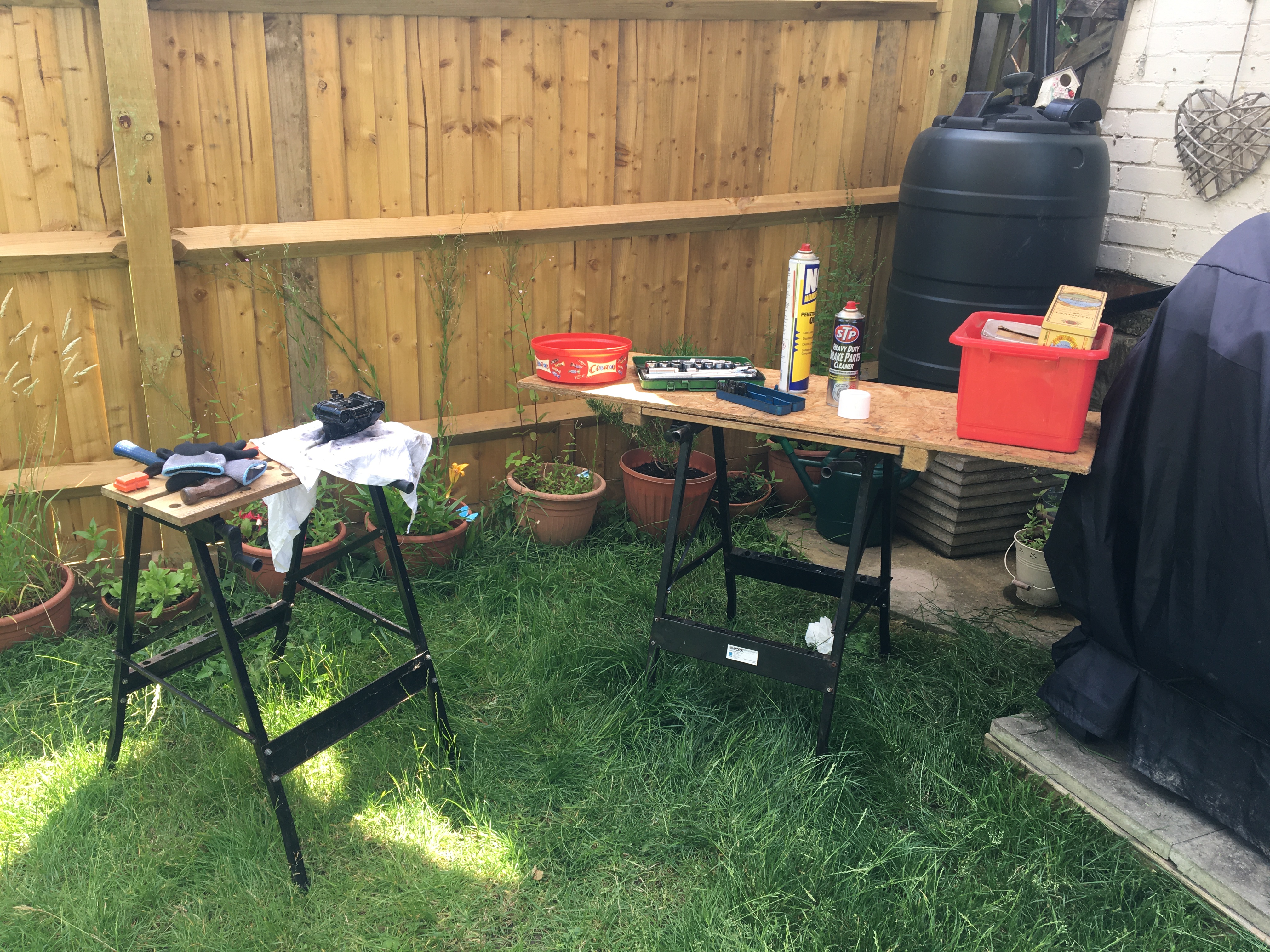

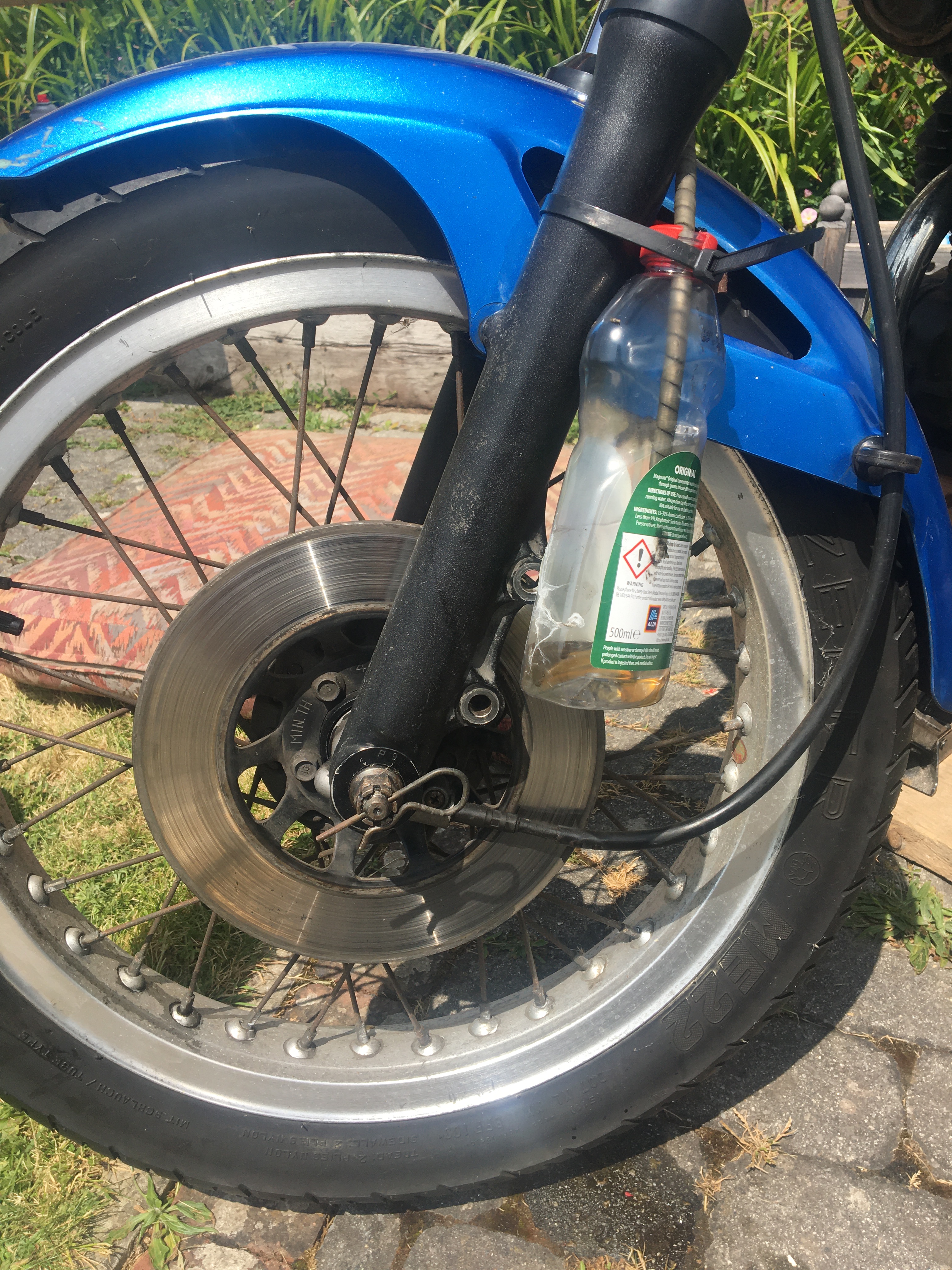


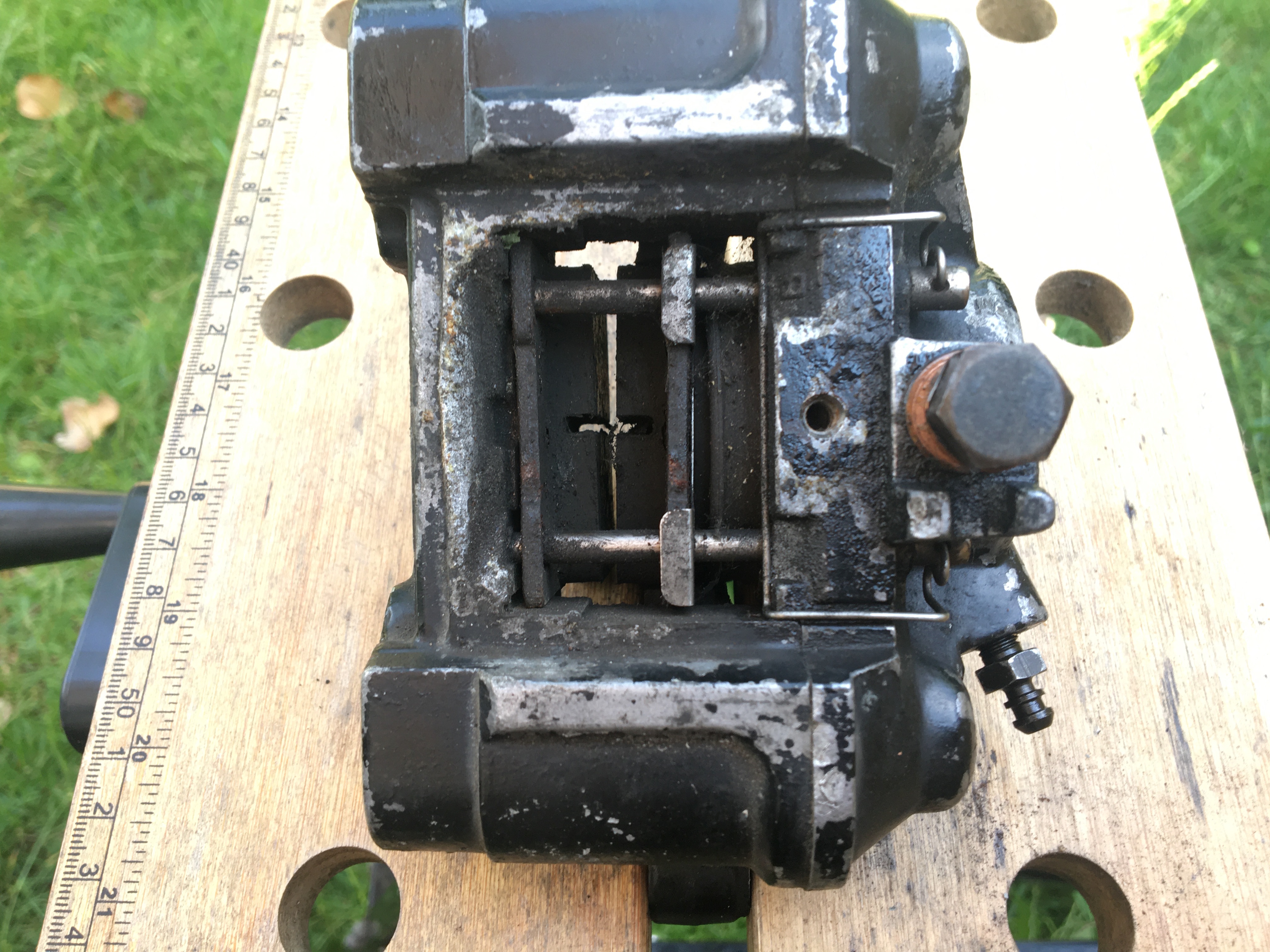
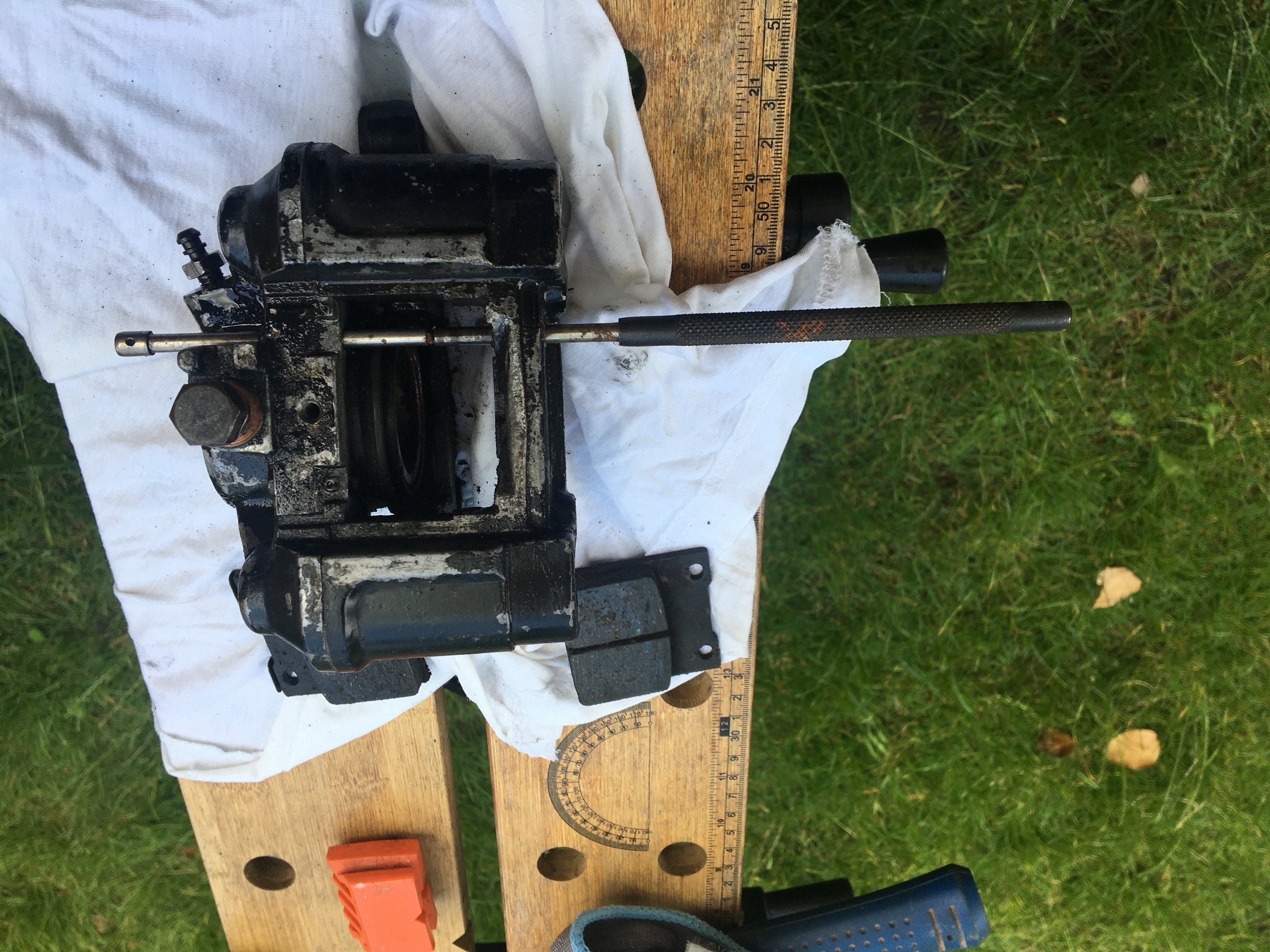


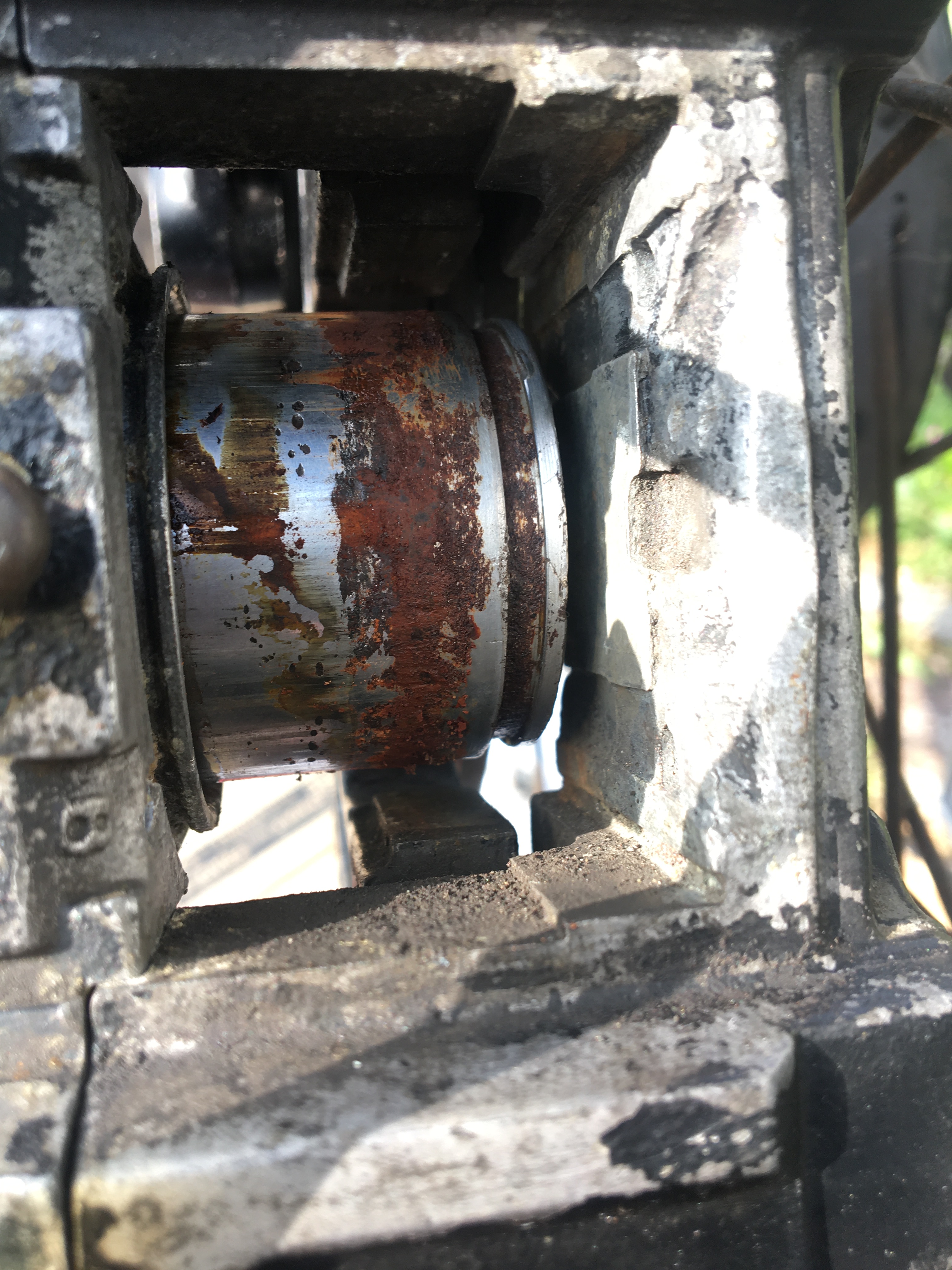
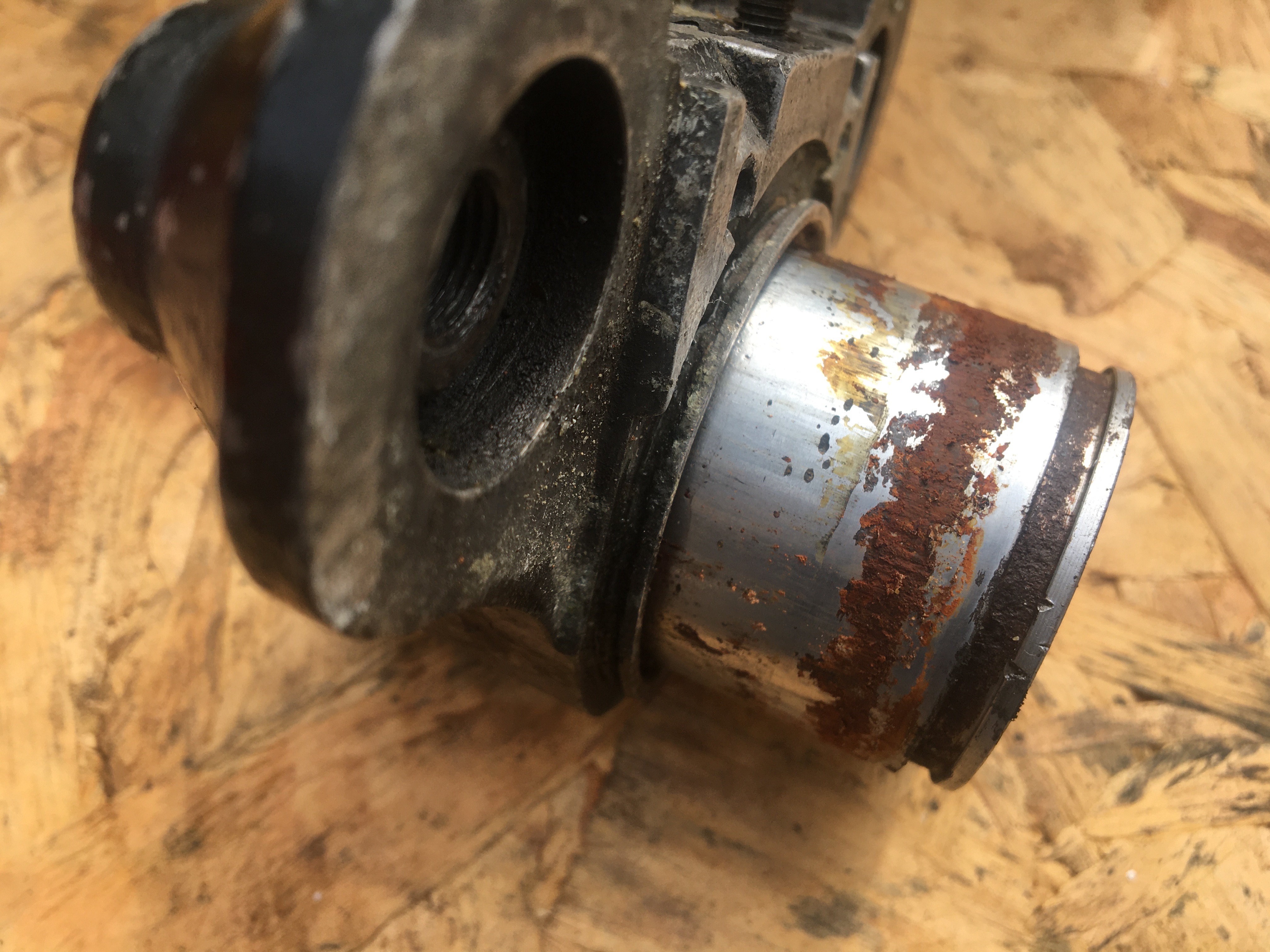

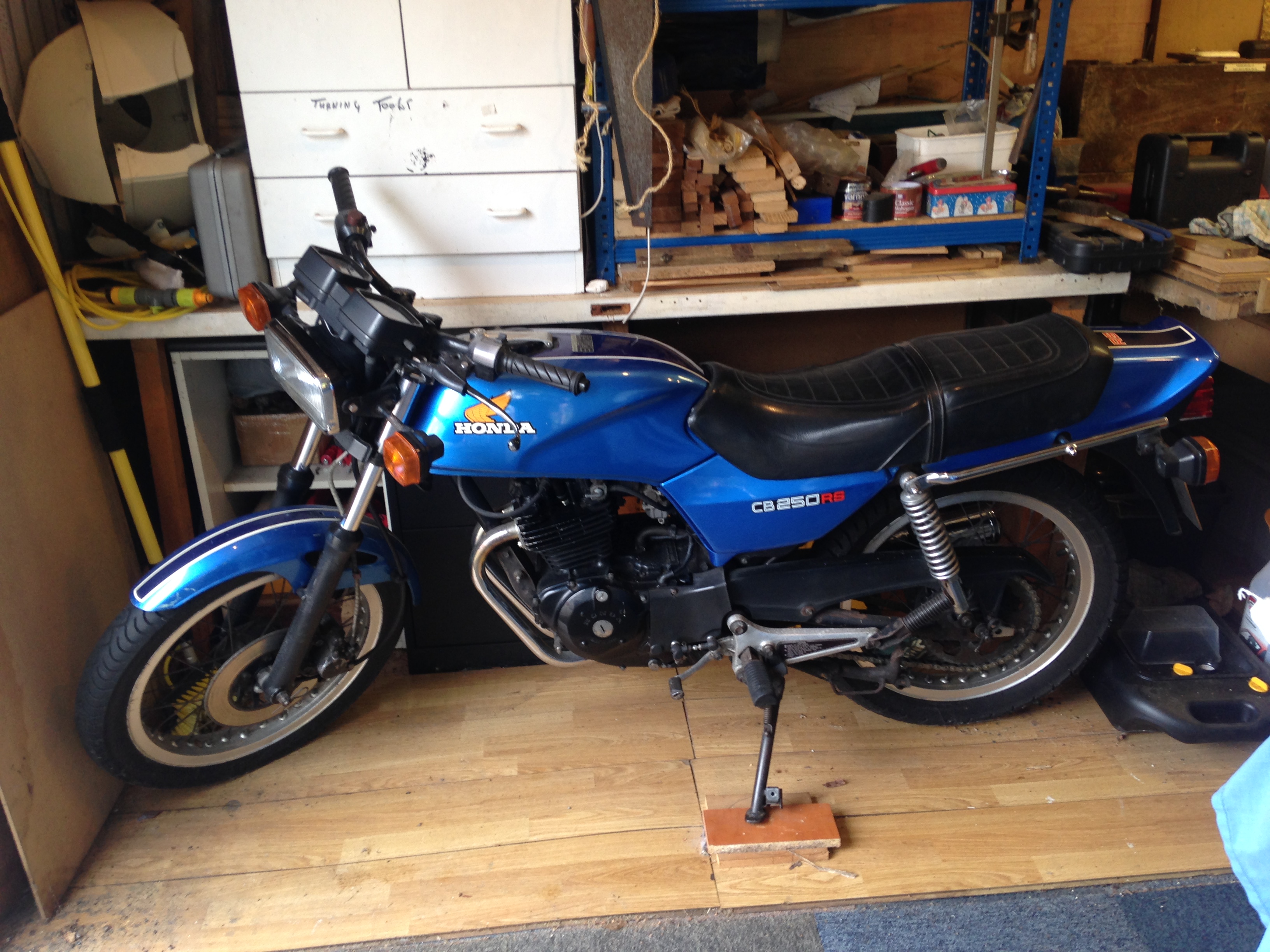


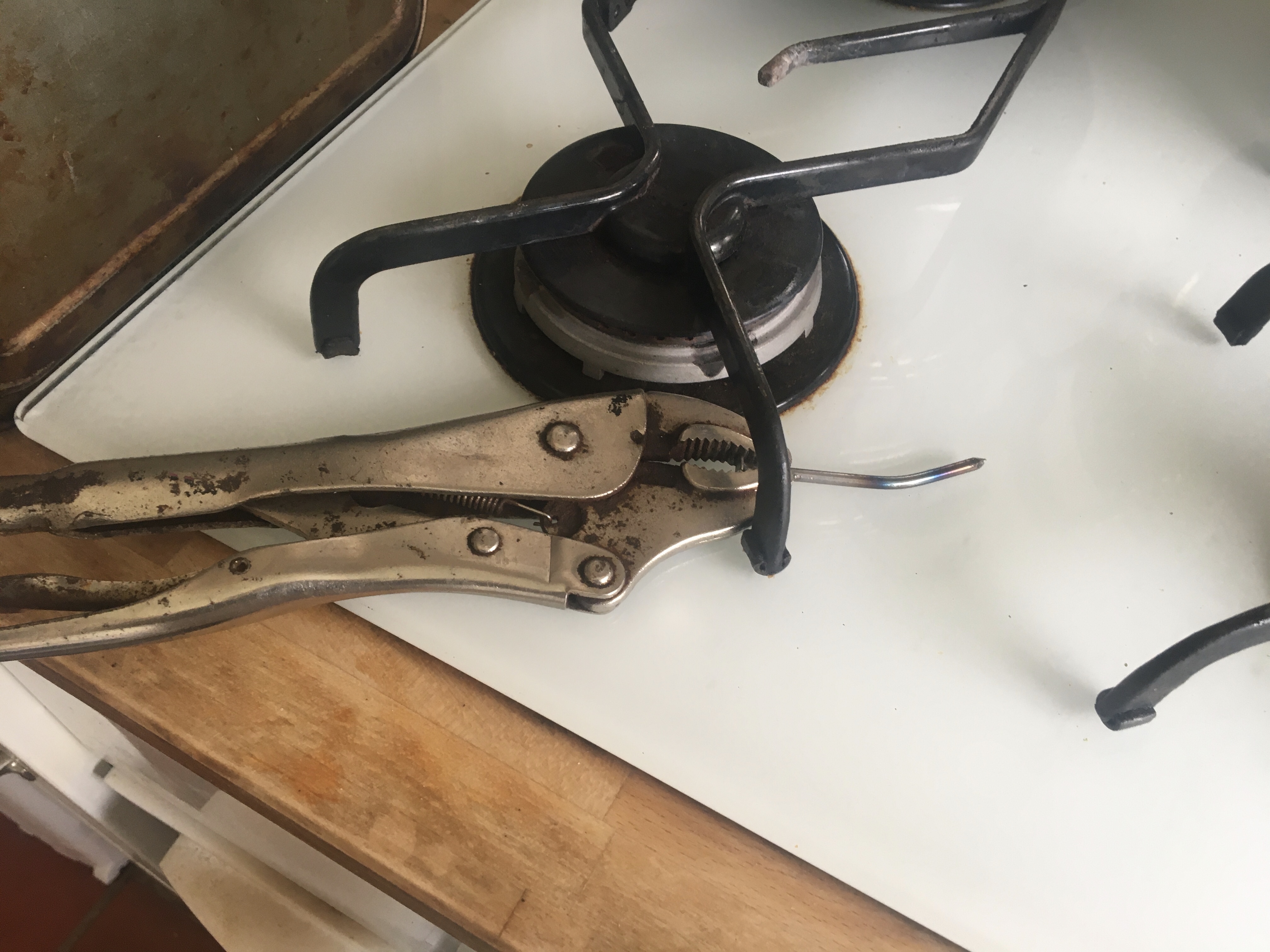


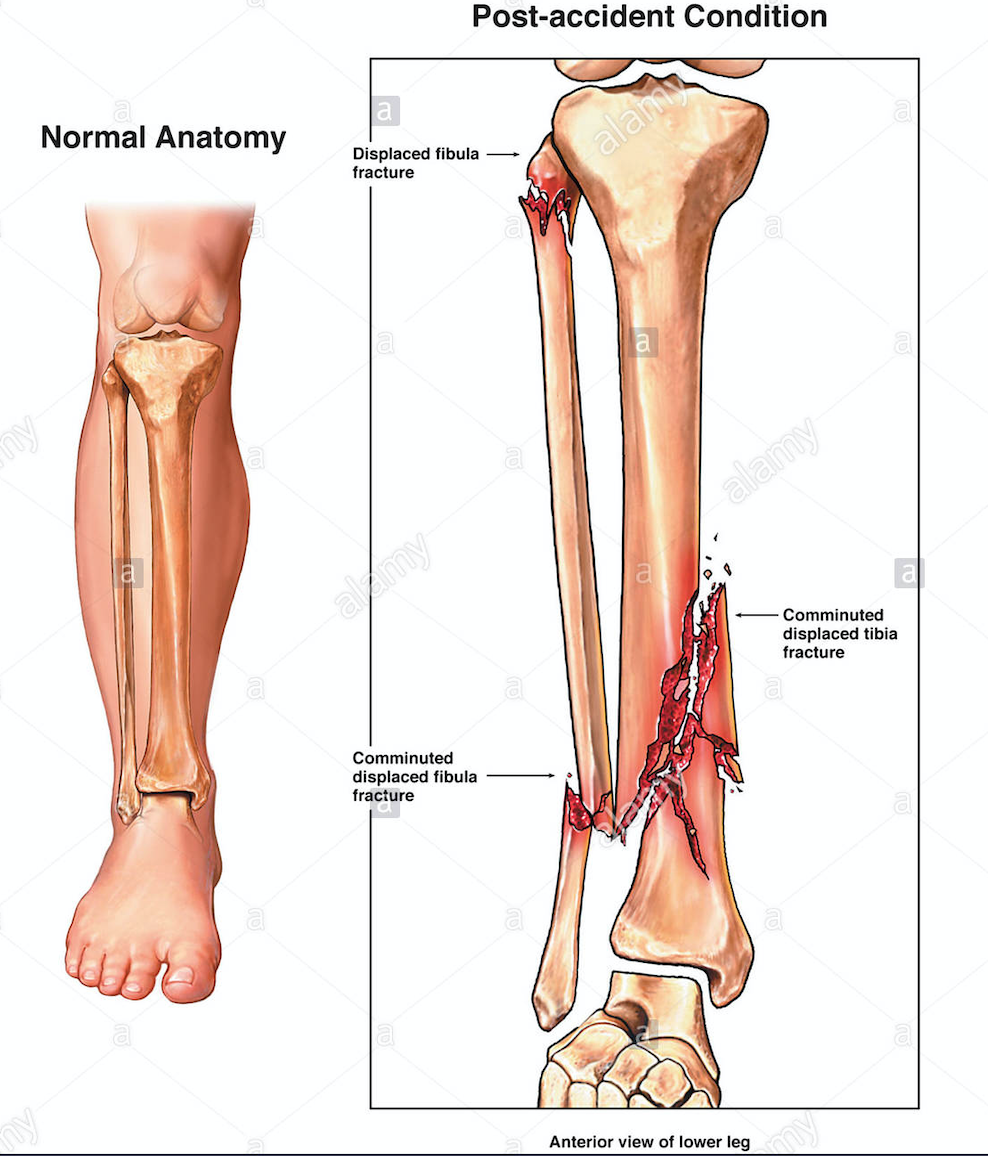


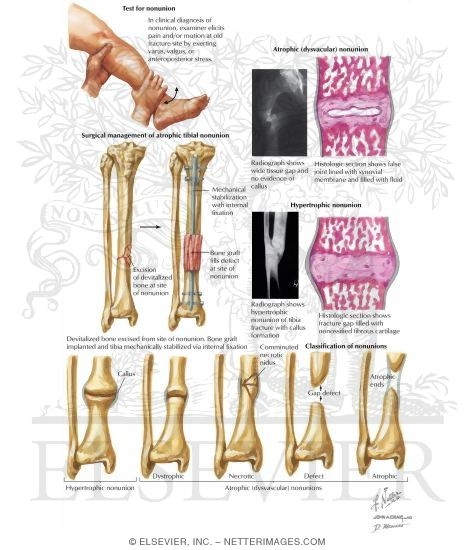


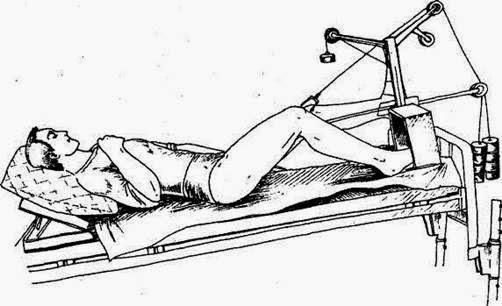

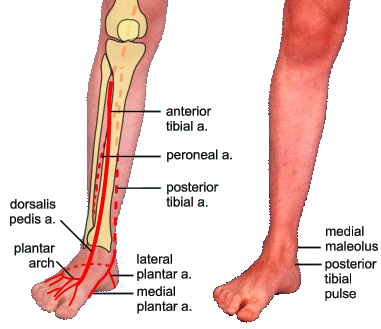

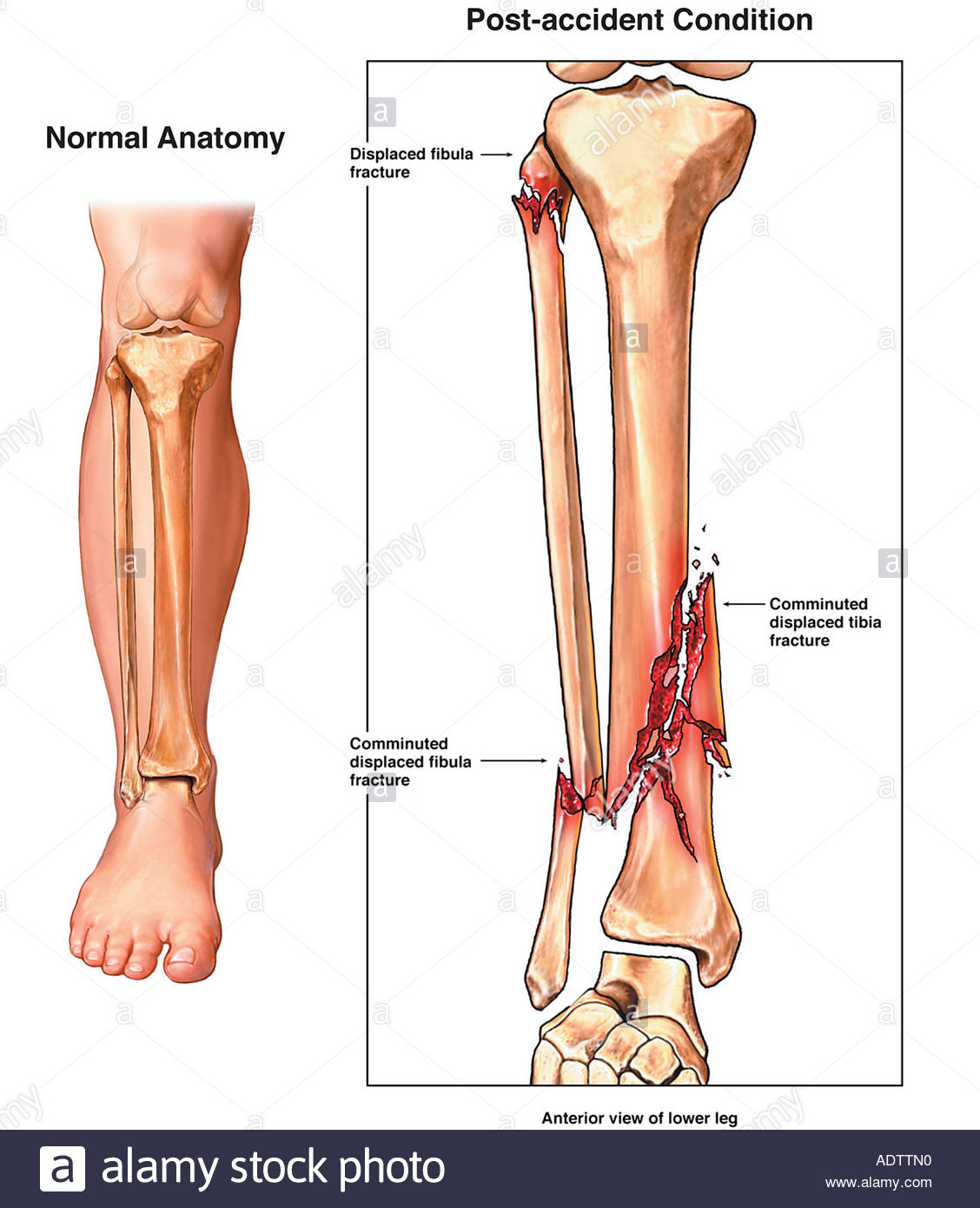
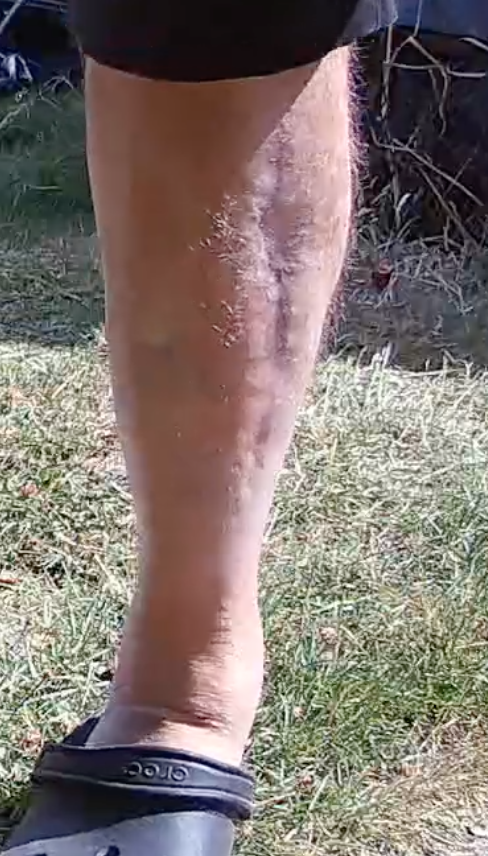


 Baffled Ape
