Zen and the Art of DIY Motorcycle Maintenance #07 …

First MOT Test since 2010 …

Back in Part 5 I explained how here in the UK vehicles have to pass an annual MOT Test for road worthiness. Well, I am very pleased to report that the 1983 Honda CB 250 RSA passed! This was a great relief and pretty much ‘mission accomplished’ for getting this classic little bike up, running and on the road again. The final legal step is Road Tax, just 6 months which will take us into 2024 when this bike can be re-classified as an Historic Vehicle and will no longer require either road tax or an annual mot test.

On the day of the MOT it rained, and it rained for days afterwards. But on Sunday 6th August the little classic Honda went out for a 26 mile shakedown ride after first stopping for a tankful of E5 petrol …
… Here she is at Galley Hill for half decent photographs.
Just over 13 years since last MOT/Road use, but carefully stored in a dry garage by my brother and brought back to life as told by these recent blog posts – Recap Part 2 Part 1 Part 3 Part 4 Part 5 Part 6 … the great little Honda PASSED ‘Fit For The Road’ once again!

Lightweight and agile, Honda’s CB250RS conflicted with its own Superdream for sales and was never as popular. Now, they can be a great back-lane bike with big H reliability.

A great review by Classic Bike Guide

While tackling all the tasks I’ve detailed in this series of blog posts I had to do a fair amount of web searching for parts etc. While doing so I came across the review above which tells the history of this great (and often overlooked) little motorcycle. If you’re a veteran of 1970’s/80’s Japanese bikes it is a great read.

End of Part 7 – And end of this story for now. There are other tasks on my list that no doubt I will add to the ‘Zen and the Art of DIY Motorcycle Maintenance‘ blog posts. For me working on the bike and bringing it back to life and road worthiness has been a very rewarding and wonderful mindful distraction from the ever increasing current financial struggles, and I have to thank my brother for granting me custody of his classic motorcycle and not least for financing the many replacement parts required.

So I realised that as this little story reaches its successful conclusion, another story begins. And that story is my own personal re-association with motorcycles, re-discovering the joy of riding and as I saw somewhere on YouTube the mindful benefits of ‘Throttle Therapy’.

There may be more posts 😉

Thank you for reading.

Recap Part 2 Part 1 Part 3 Part 4 Part 5 Part 6

… And if you’ve just joined at Part 7, below is a little background to this story.

Motorcycling is in my blood [ RIP Dad – A Truly Great Father ] and because of motorcycles I’ve literally spilled many pints of blood [ Conscious Throughout ] My Dad passed the DNA and the bug to me in 1976 aged 15. My younger brother then aged 10 also caught the bug and eventually carried on the motorcycling tradition for far longer than myself. I rode on and off from age 15 to 40, all weathers, commuting on various ‘hack bikes’ while pampering and saving the main bike for dry (mainly) runs out for the sheer joy of riding. My brother recently bought a new 2023 Triumph 765 Street Triple R, a two wheeled sculpture if ever there was such a thing. The Street Triple was to join his stable of bikes alongside his classic Triumph Daytona 1200, and another classic, the Honda CB250 RSA you see below. The little Honda was his ‘hack bike’ back in the day, not used since 2010 and carefully stored, dry and covered in our Dad’s old garage. That garage is a shrine to our dear father, not really disturbed since his sad passing in 2016.

So the Street Triple needed room, the garage needs sorting but both my brother and I are dreading the day we have to disturb our Dad’s workshop and birthplace to so much of his woodwork creativity, and so many precious memories. The motorcycling bug never dies, although I myself have not ridden for over 20 years, the pull has always been there and watching the wonderful Allen Millyard‘s YouTube channel has fed my interest in the mean time, and when my brother suggested I take custody of his little classic Honda and get her back on the road I jumped at the chance!

… And Why ‘Zen’?

There’s a stand out section for me in the book Zen and the Art of Motorcycle Maintenance, and it is the part where the author describes making, or proposing to make makeshift ‘shims’ for his friends John and Sylvia Sutherland’s new and exclusively dealer serviced BMW motorcycle. Pirsig tries to explain how shims made from a discarded Coca-Cola can would be perfectly adequate and functionally identical to those fitted by the BMW Dealer’s mechanics at exorbitant costs. John Sutherland could not see this or be convinced, so programmed was he that only the main dealer has the expertise, equipment and materials to carry out such a task.

“In the book, the narrator describes the “romantic” approach to life of his friend, John Sutherland, who chooses not to learn how to maintain his expensive new motorcycle. John simply hopes for the best with his bike, and when problems do occur he often becomes frustrated and is forced to rely on professional mechanics to repair it. In contrast, the “classical” narrator has an older motorcycle which he is usually able to diagnose and repair himself through the use of rational problem-solving skills.”

Zen and the art of DIY Car Maintenance …

Keep your old car running, especially if it is fuel efficient — It’s the Green Option

Source: Is keeping my old car greener than buying a new EV?

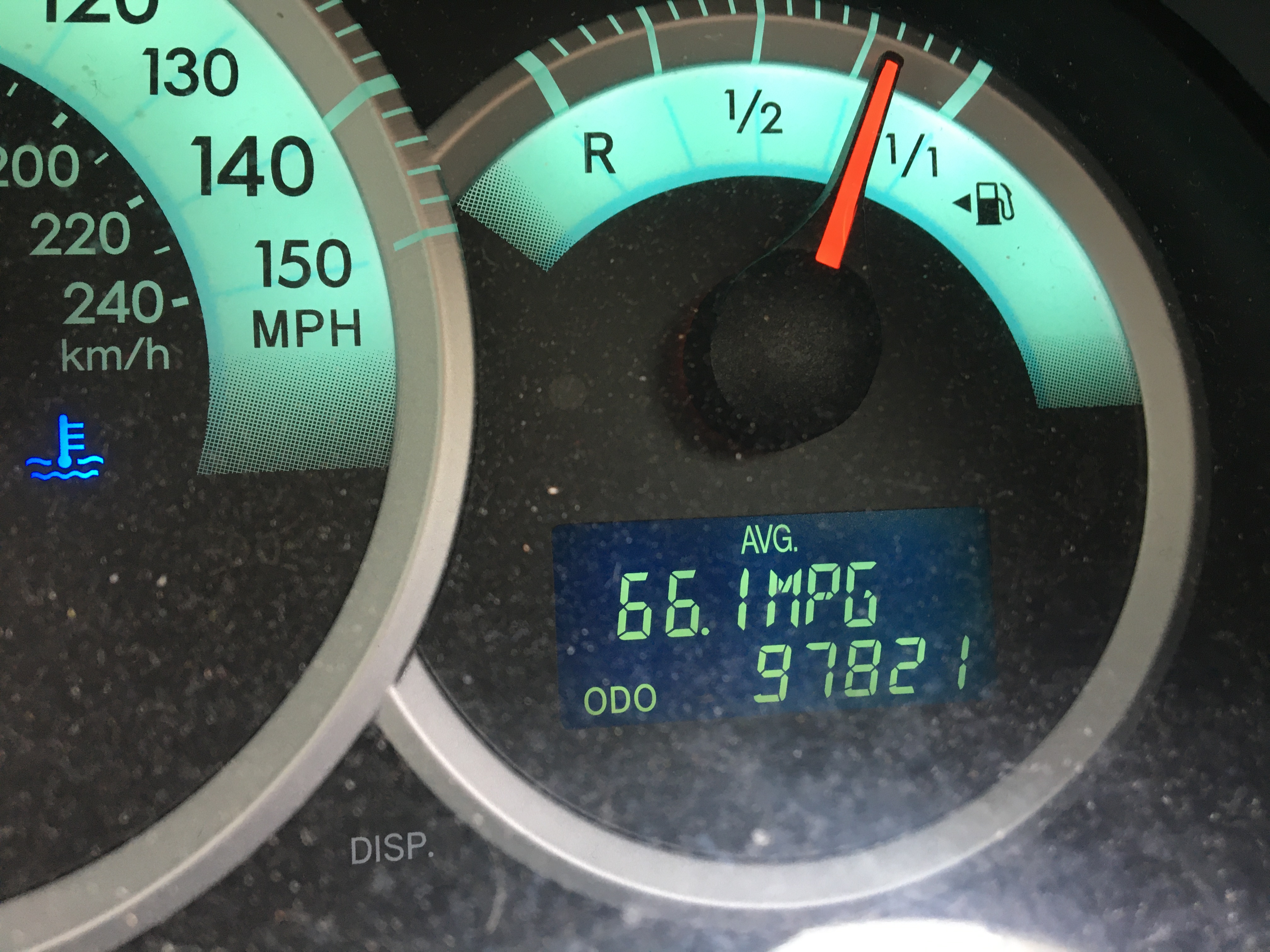
In my family we have 3 old cars. The newest is a 2007 model with over 100,000 miles, and after its recent DIY service returned 66.1 MPG on a long run;

66.1 MPG from a 2007 2.3Litre Diesel with (now) 100K Miles on the ODO – Not Bad!

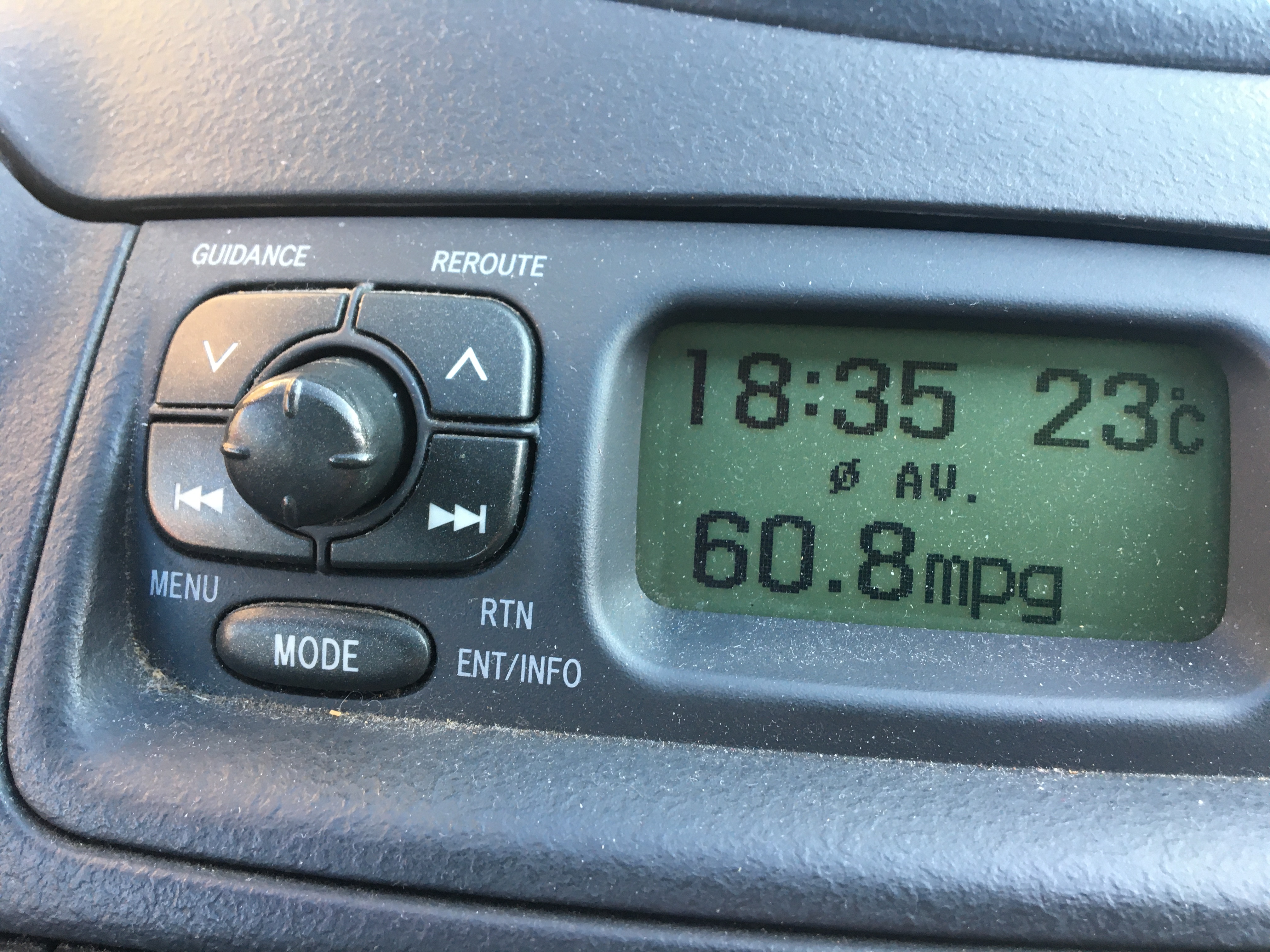
… the other 2 are 2003 models with 125,000 and 100,000 miles on their clocks respectively;

60.8 MPG, 2003 Toyota Yaris, 998cc Petrol over 100,000 miles on the clock and DIY serviced.

There is something very satisfying, rewarding (financially too) and I find ‘mindful’ about maintaining and repairing your own vehicle(s). I realise it is not for everyone, and care must be taken to do work properly and safely. I guess I’m fortunate to have a Mechanical Engineering background, I served a 6 year craft apprenticeship and worked with my hands ‘on the tools’ for many years. I was then promoted to a desk/computer and found myself organising the work for others to do.

Now, in my 60’s I have dug out the old tools, bought a couple of new ones, and primarily to save money on extortionate mechanics (with dubious skill levels and ability) labour fees, but then discovering the mindful benefits of ‘doing a good job yourself’, getting stuck in … I discovered an almost meditative experience, losing myself in the task at hand, rediscovering and re-applying those old skills and enjoying the benefits of wellbeing possibly more than the substantial financial savings.

Here are a few images taken while practicing ‘Zen and the art of DIY Car Maintenance‘.

Removed, pistons freed off, cleaned and re-assembled – Cost £0.00 just some mindful effort
A seized rear brake (slave) cylinder on my Daughters car.

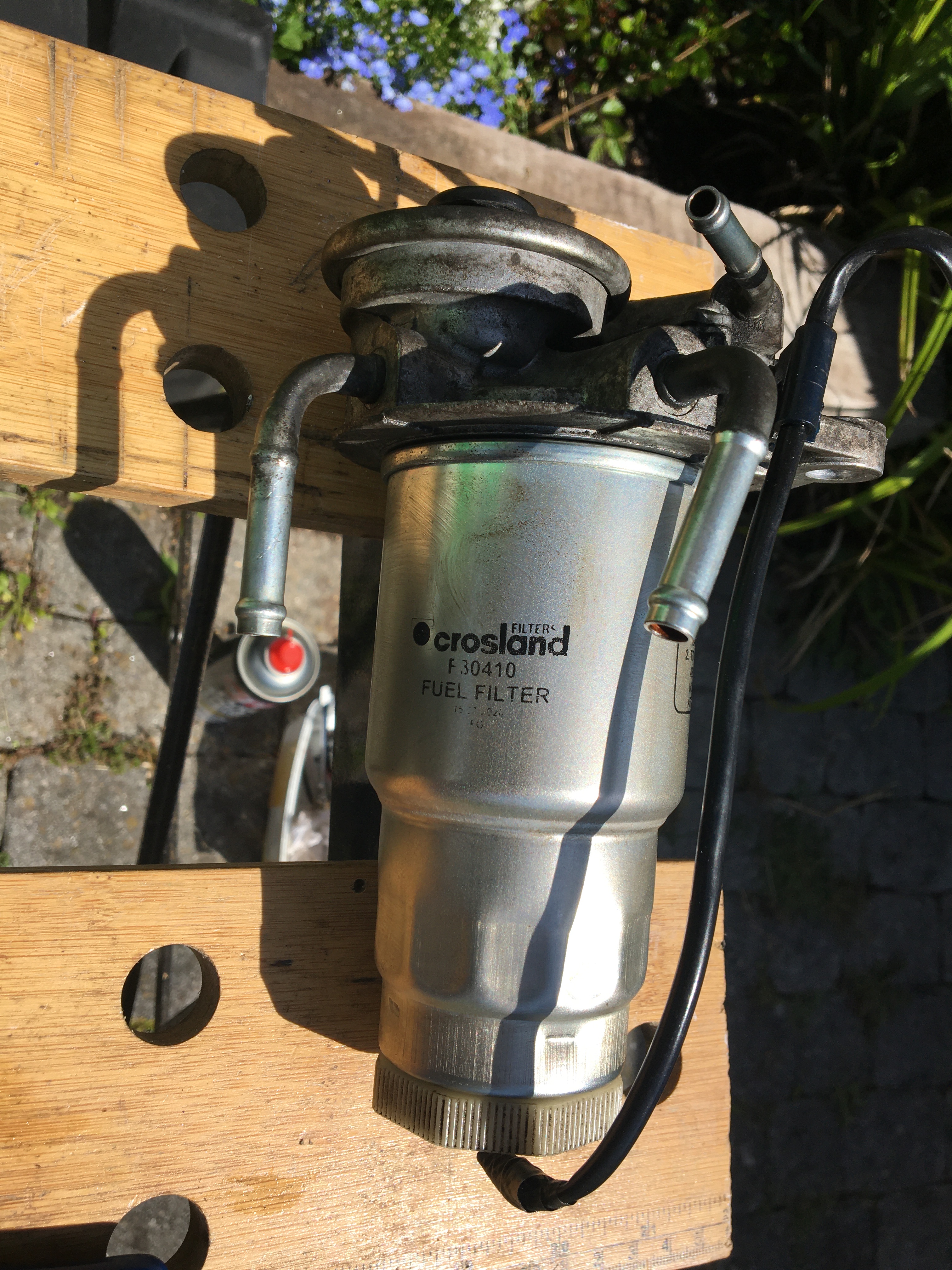
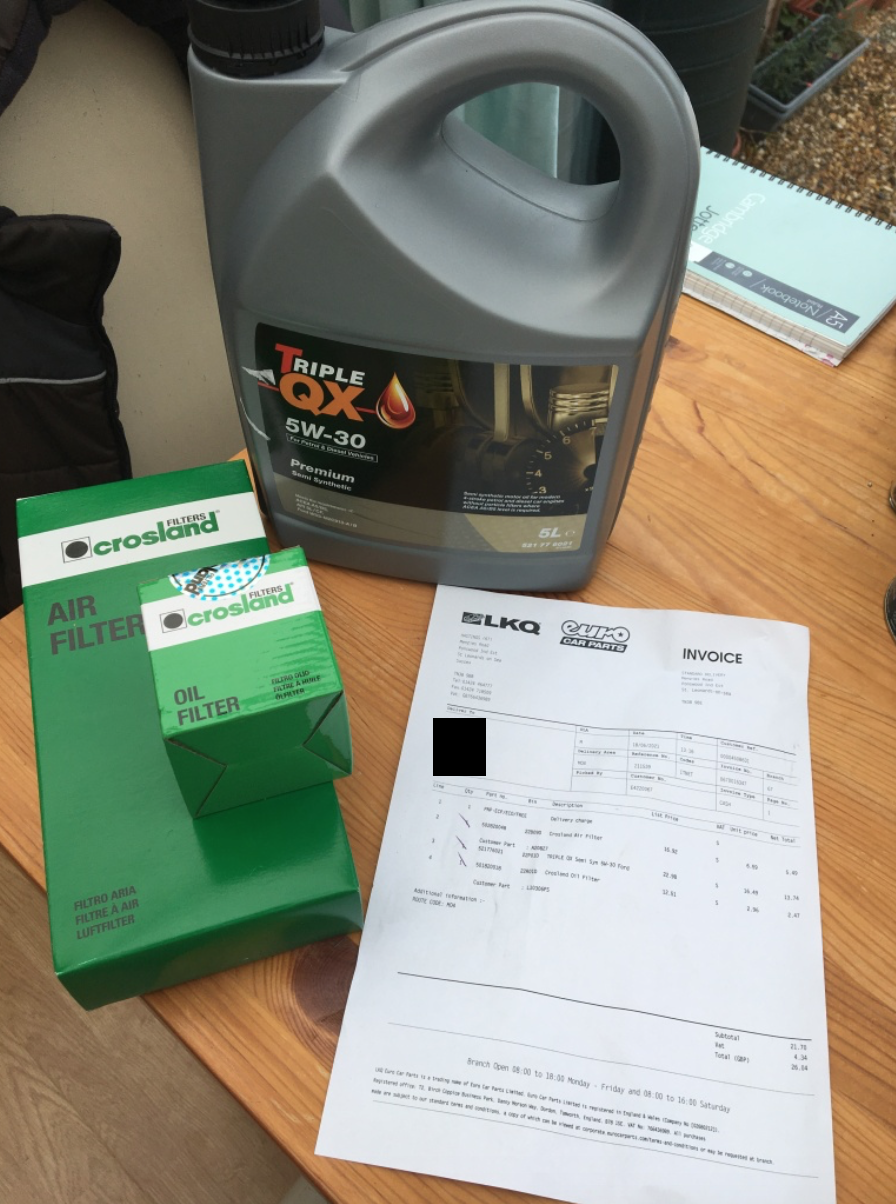
The pictures below are of my DIY annual service of our family car. Engine Oil, Oil Filter, Fuel Filter and Air Filter;

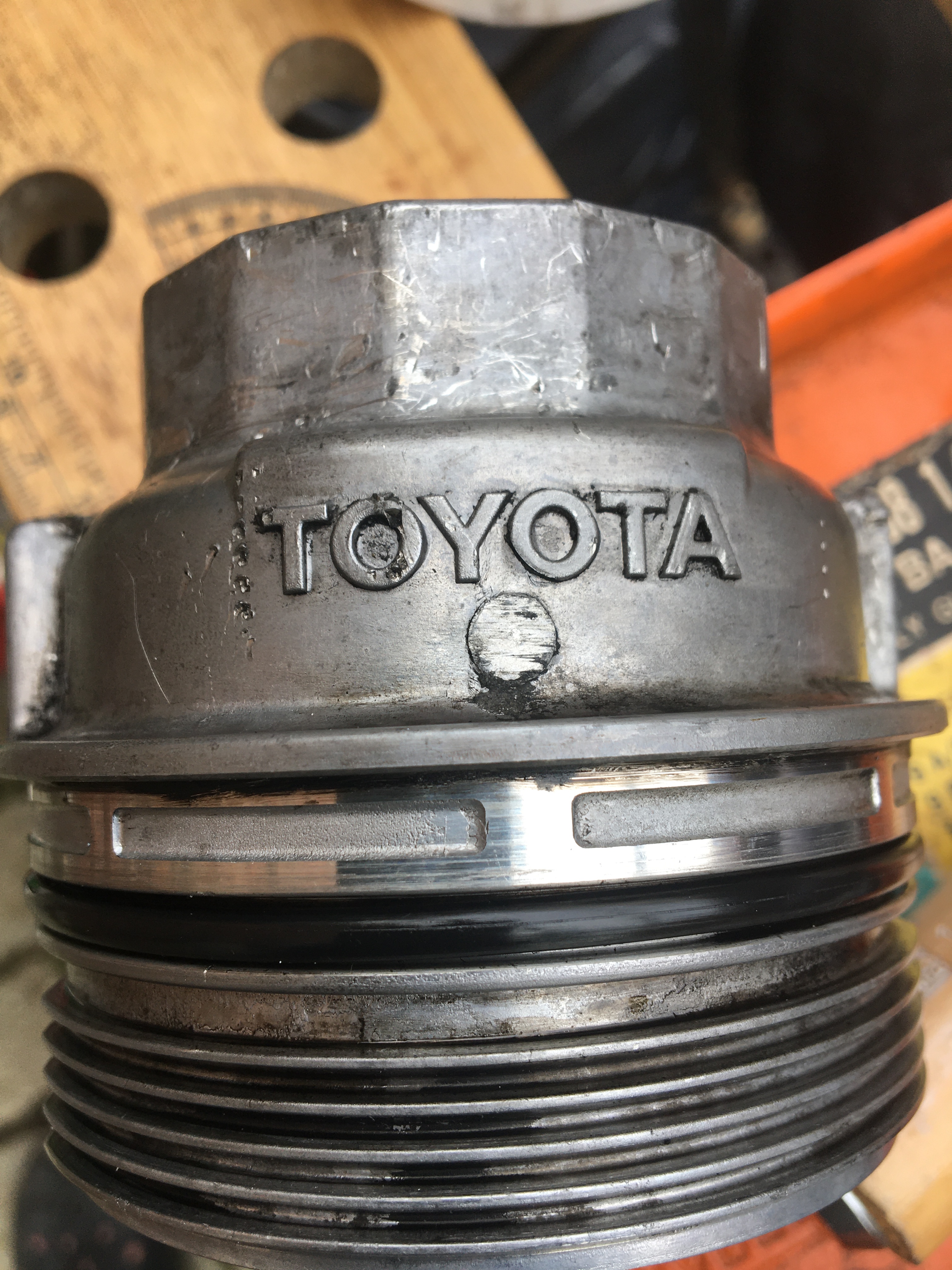
Oil Filter Housing
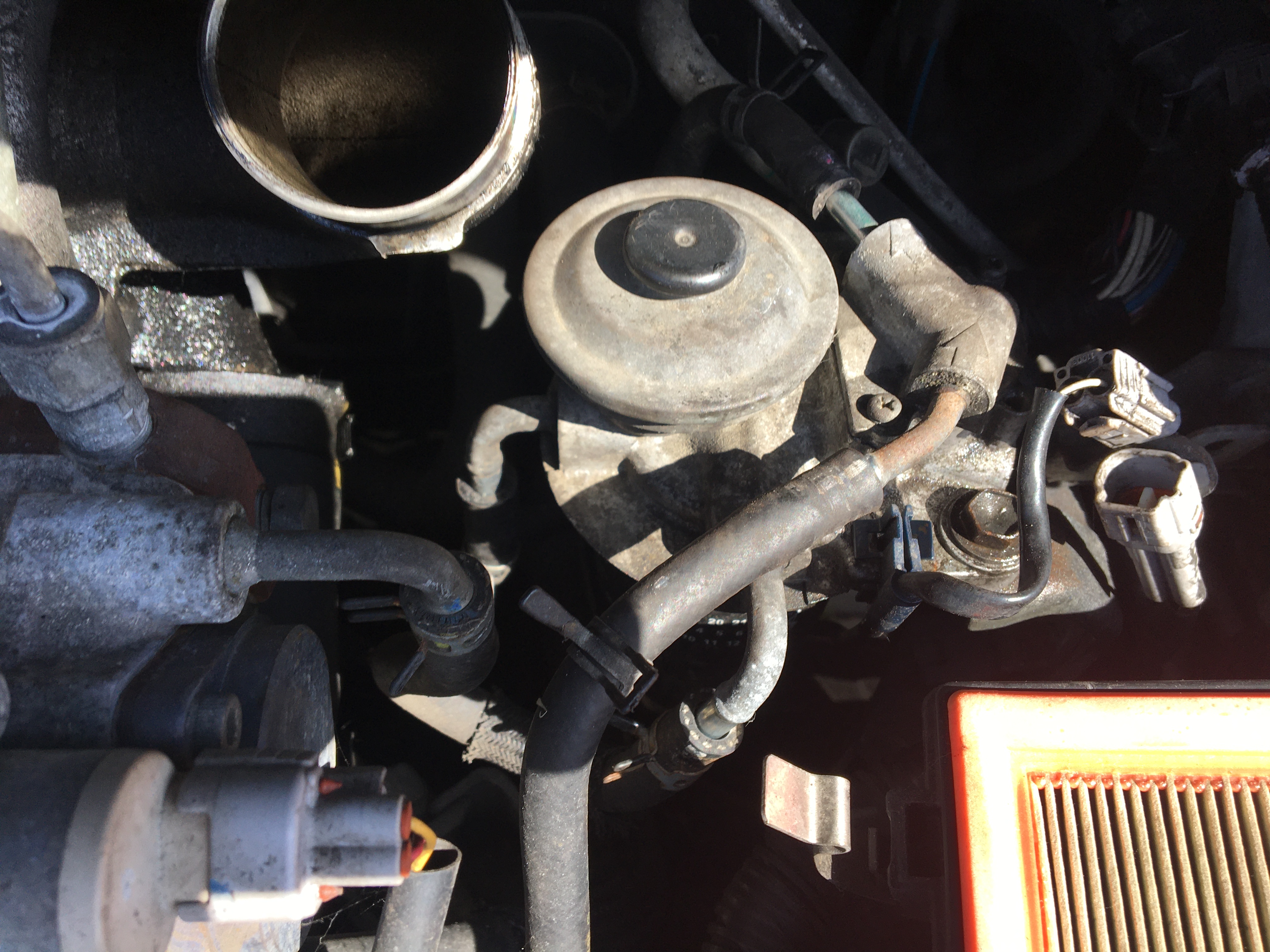
Fuel Filter is under there somewhere …
… Get this fella out of the way and …
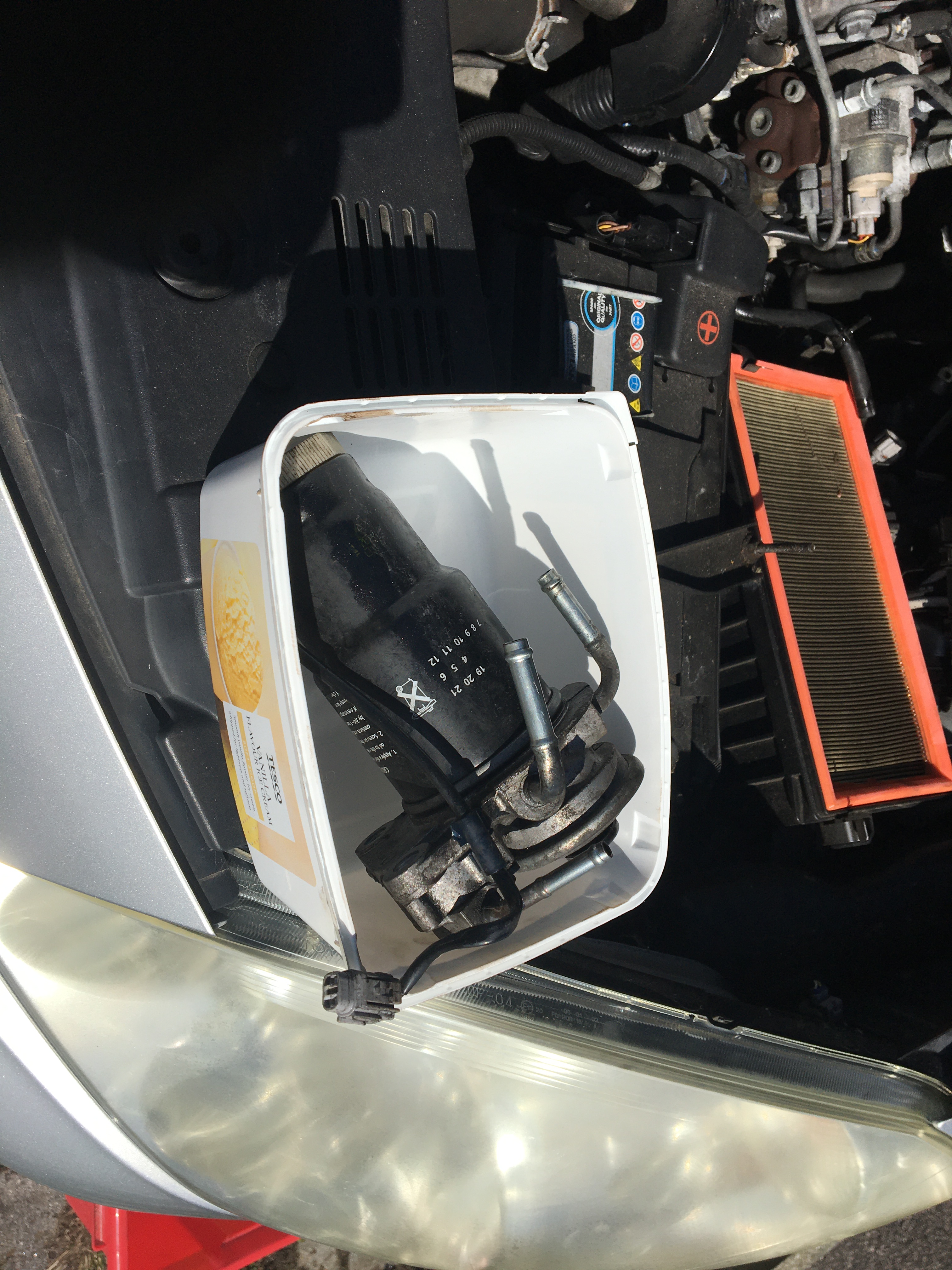
… There it is, disconnect a few pipes and electrics and …
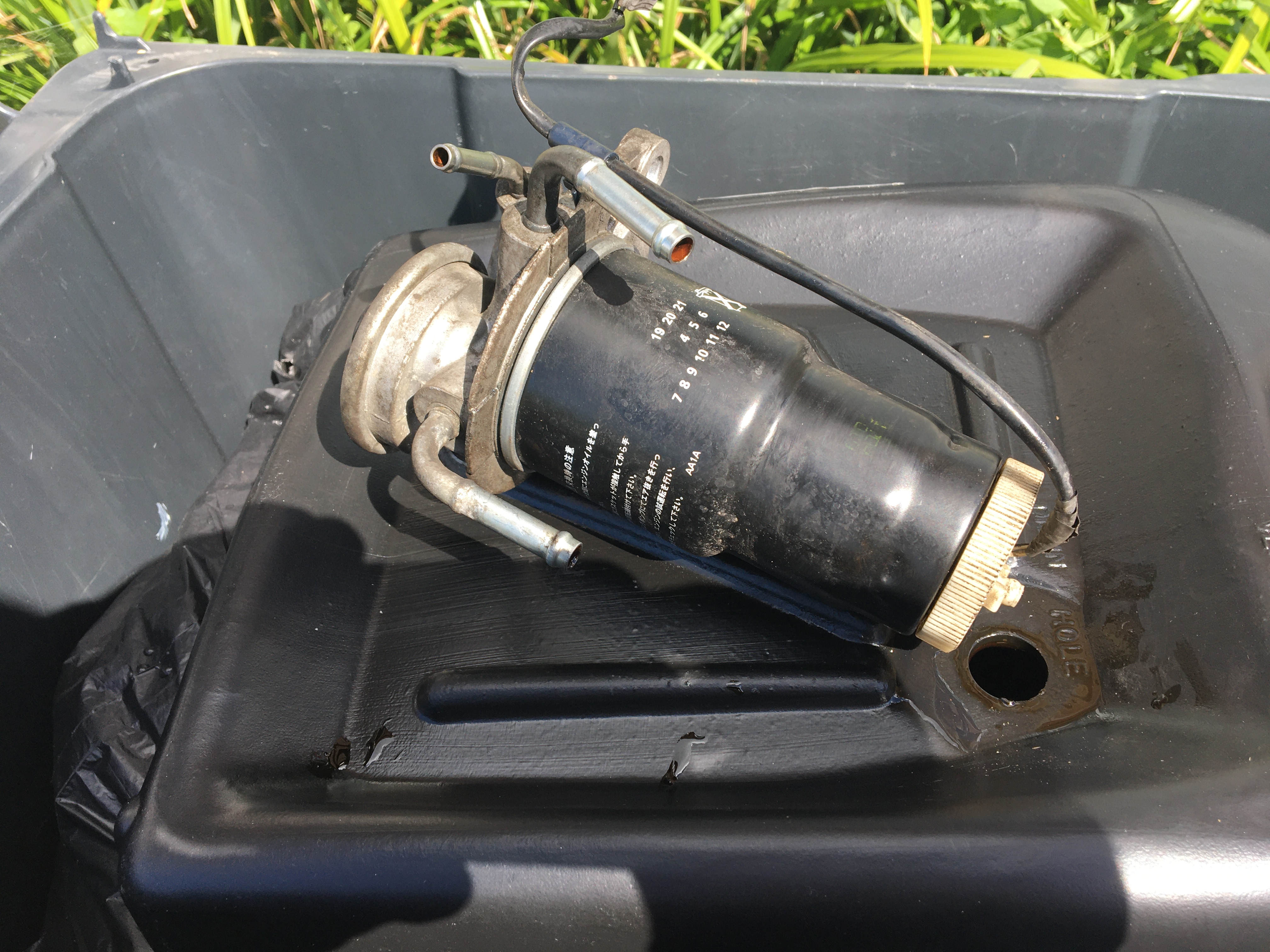
… the fuel filter housing is out, now to strip it down
… drain the remaining fuel, in this case diesel …
Remove the water warning float …
Remove the filter cartridge

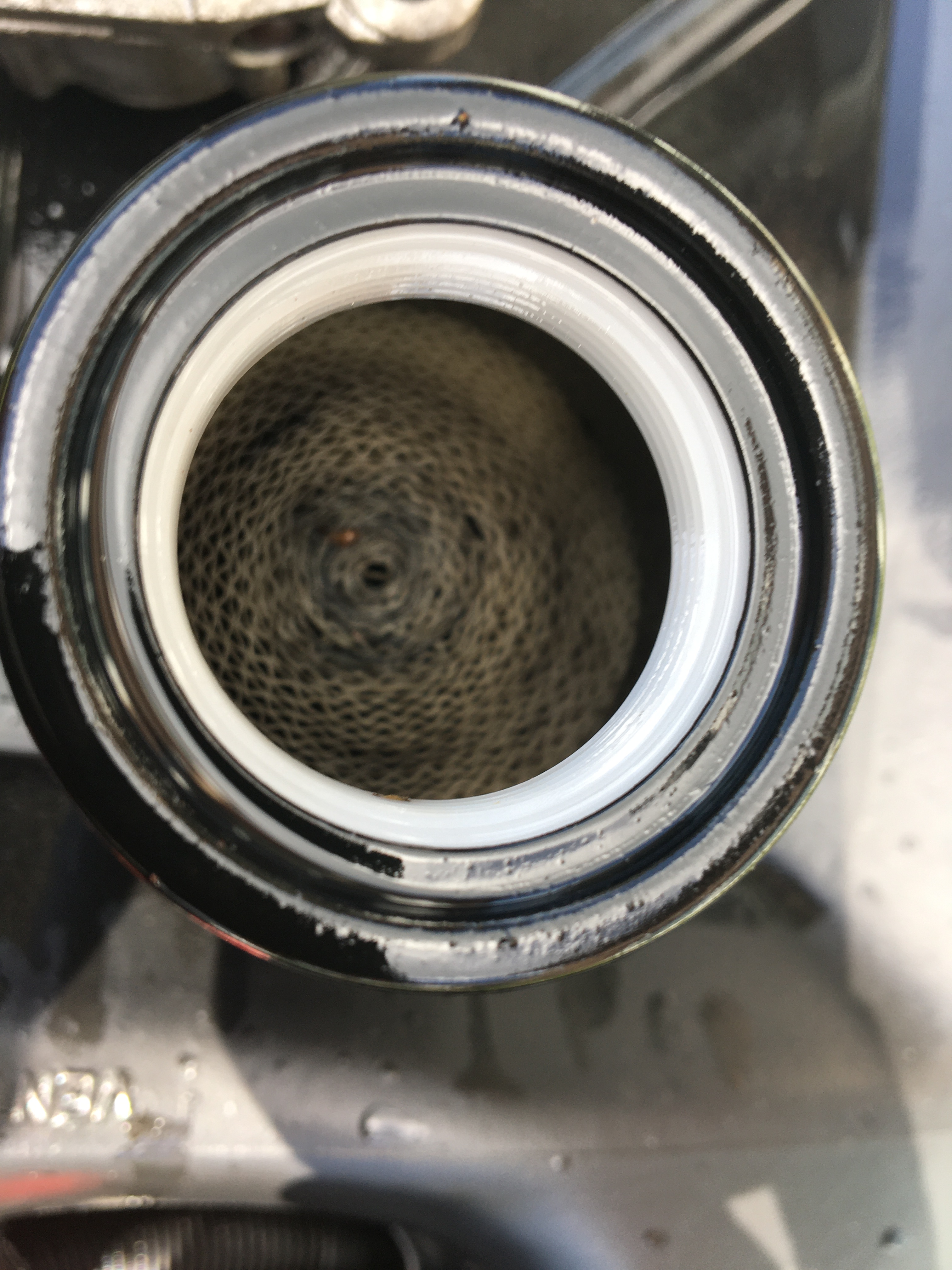
Inside the old filter fitted for less than a year
… compared to the new filter internal
All re-assembled and ready to refit
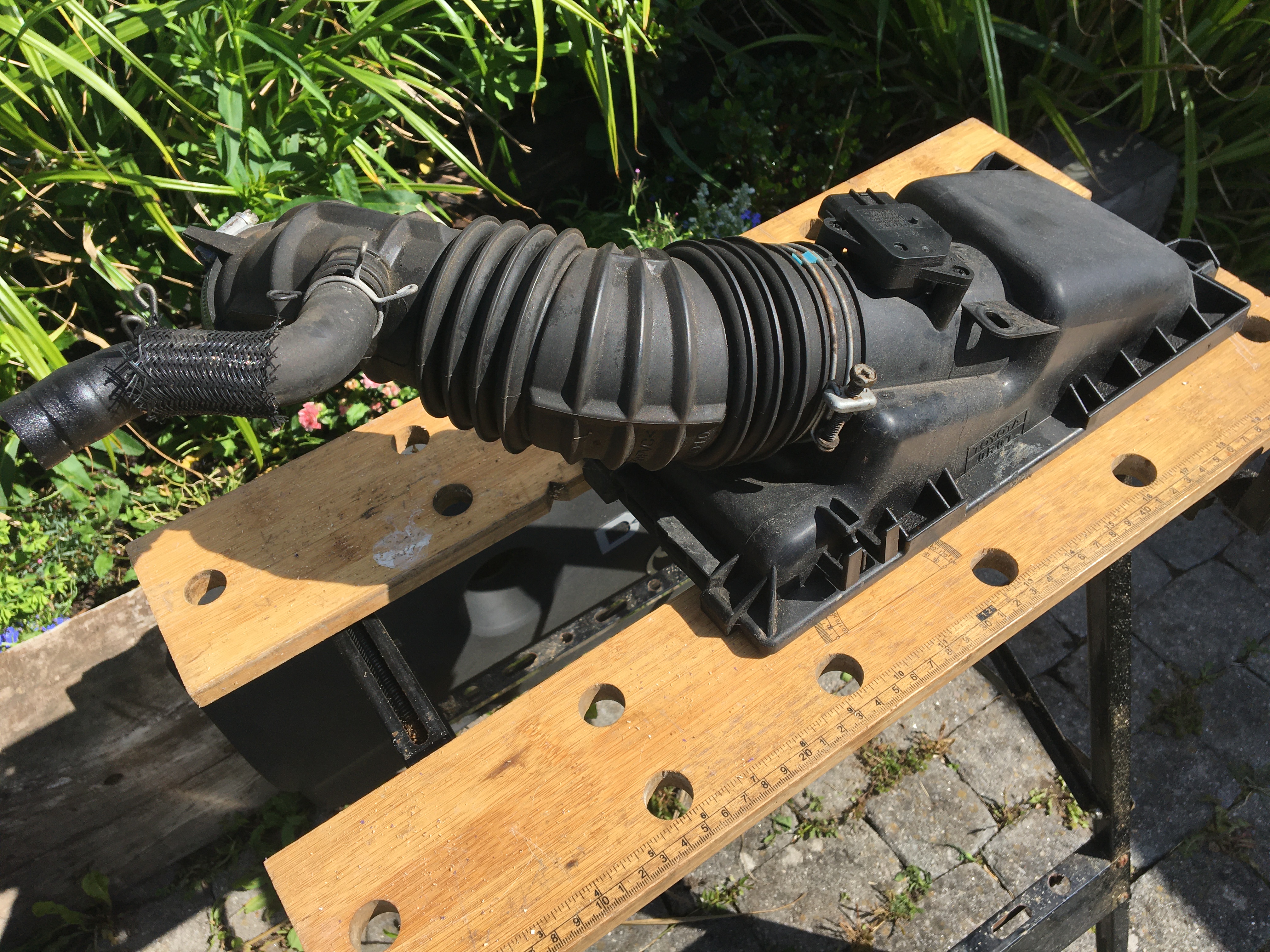
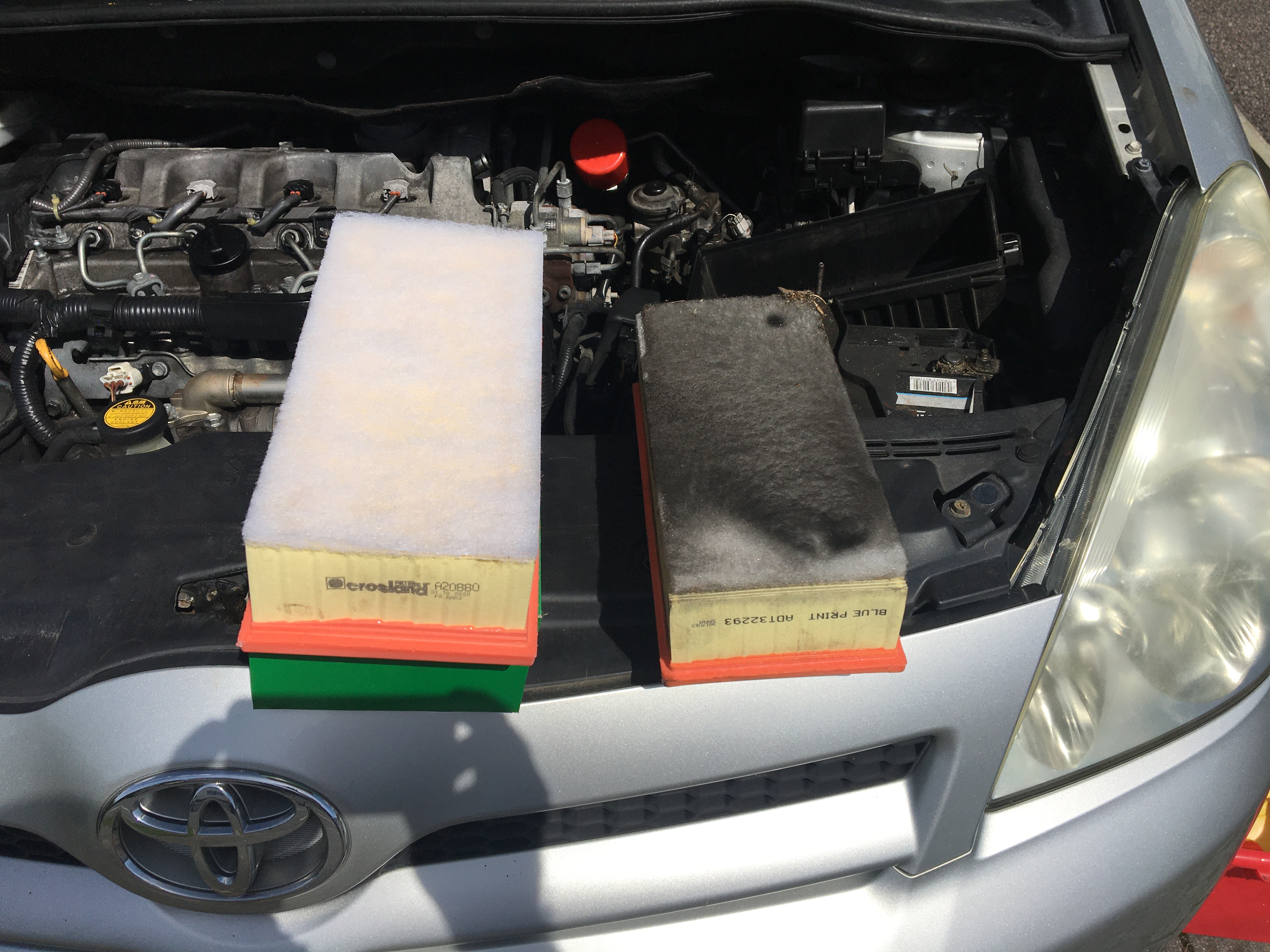
… And of course while I was there I replaced the Air Filter, again slightly less than one year old!
Cost of parts £26.04 (Local Garage Quoted £140.00) Mindful value, sense of achievement and job satisfaction = £Priceless 🙂

Same car as above, Toyota Corolla Verso 2.3 Diesel, inspecting and replacing rear brake pads;

Wheel off, and car well supported …
Caliper swung clear, g-clamp used to push piston back ready for new thicker pads …
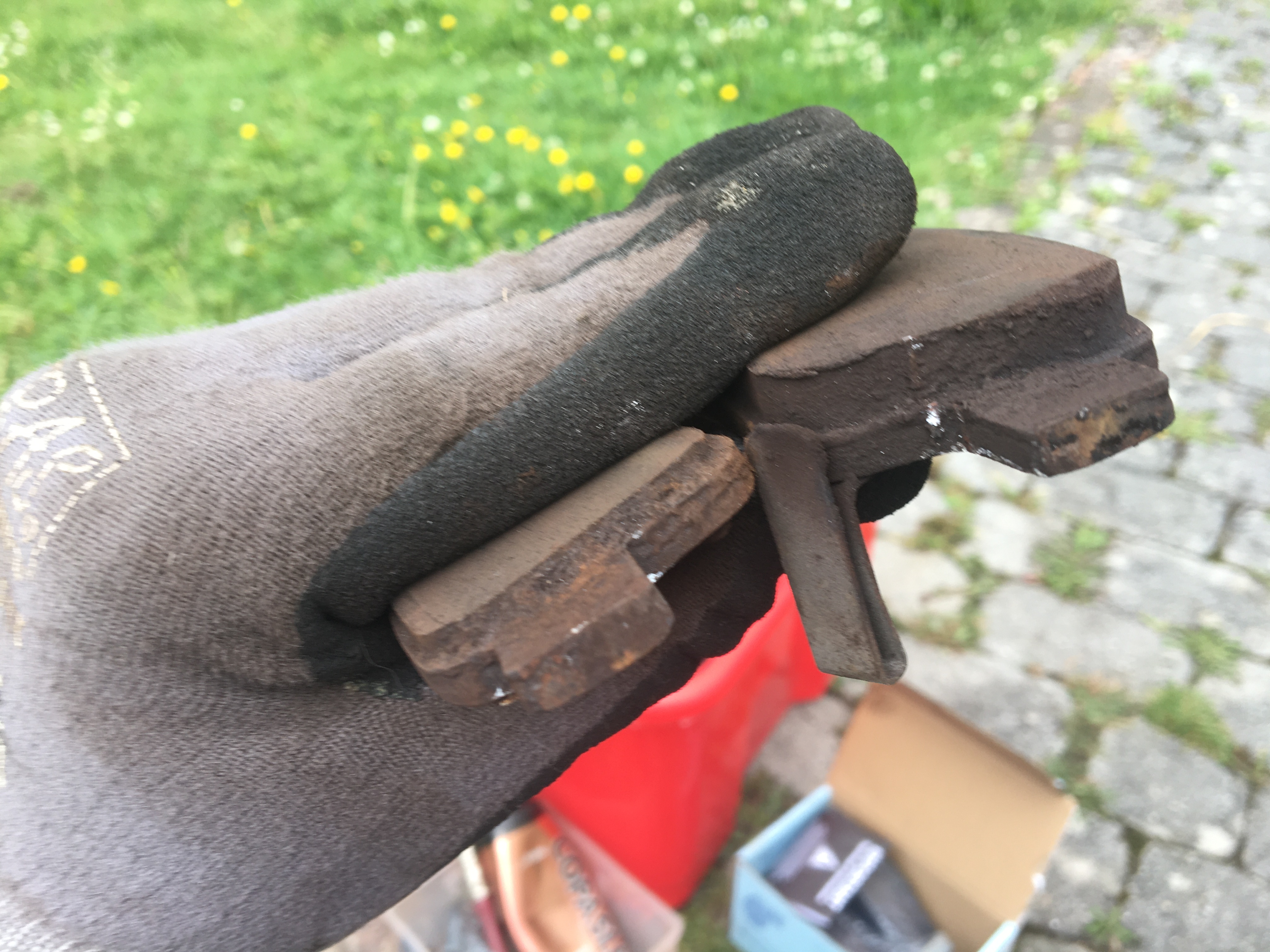
Old pad (left) against new pad showing ‘tell tale’ wear indicator spring strip
calliper/pads sliding surfaces thoroughly cleaned and lightly coated with ‘copper slip’ compound, new pads installed.

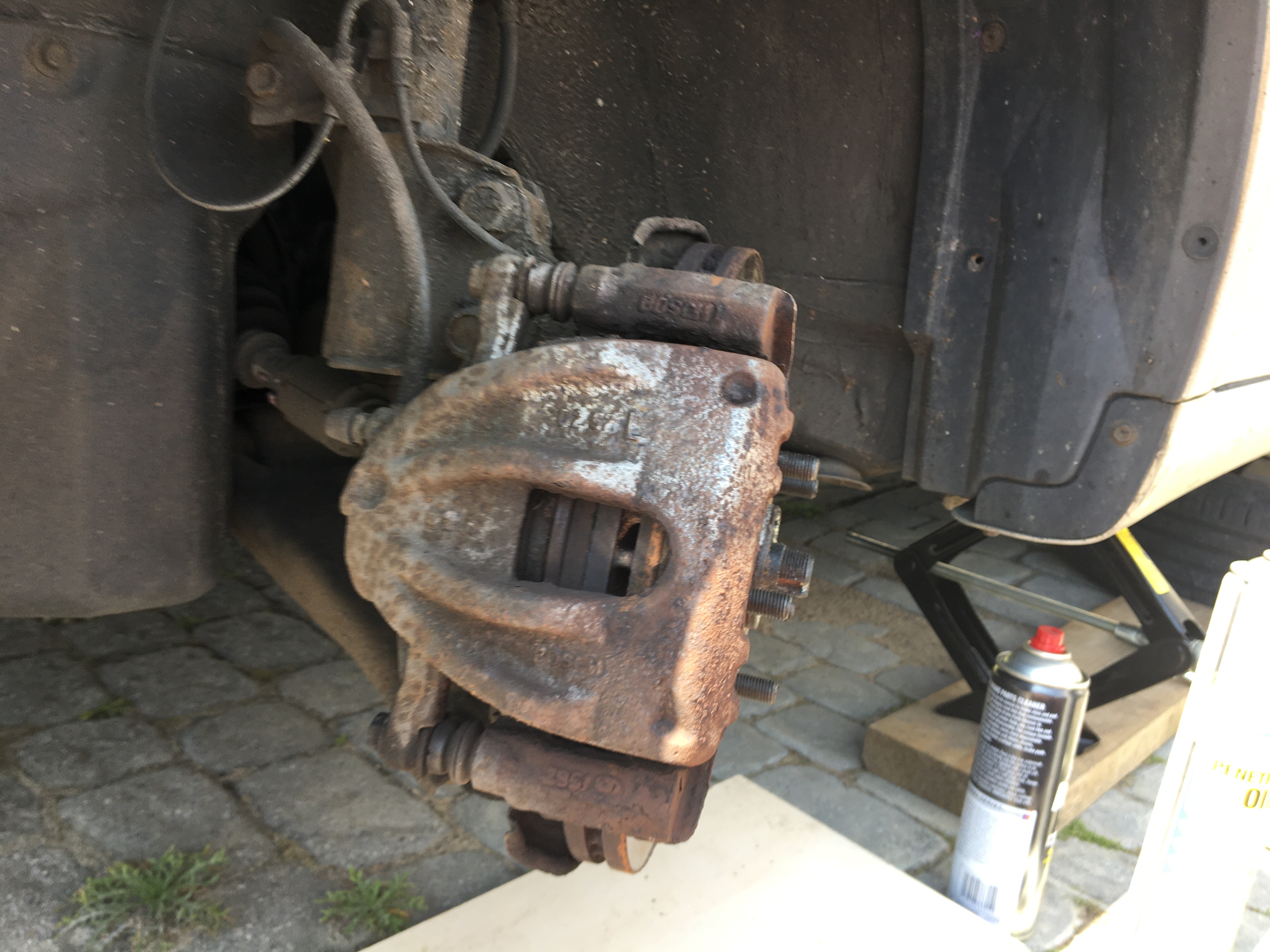
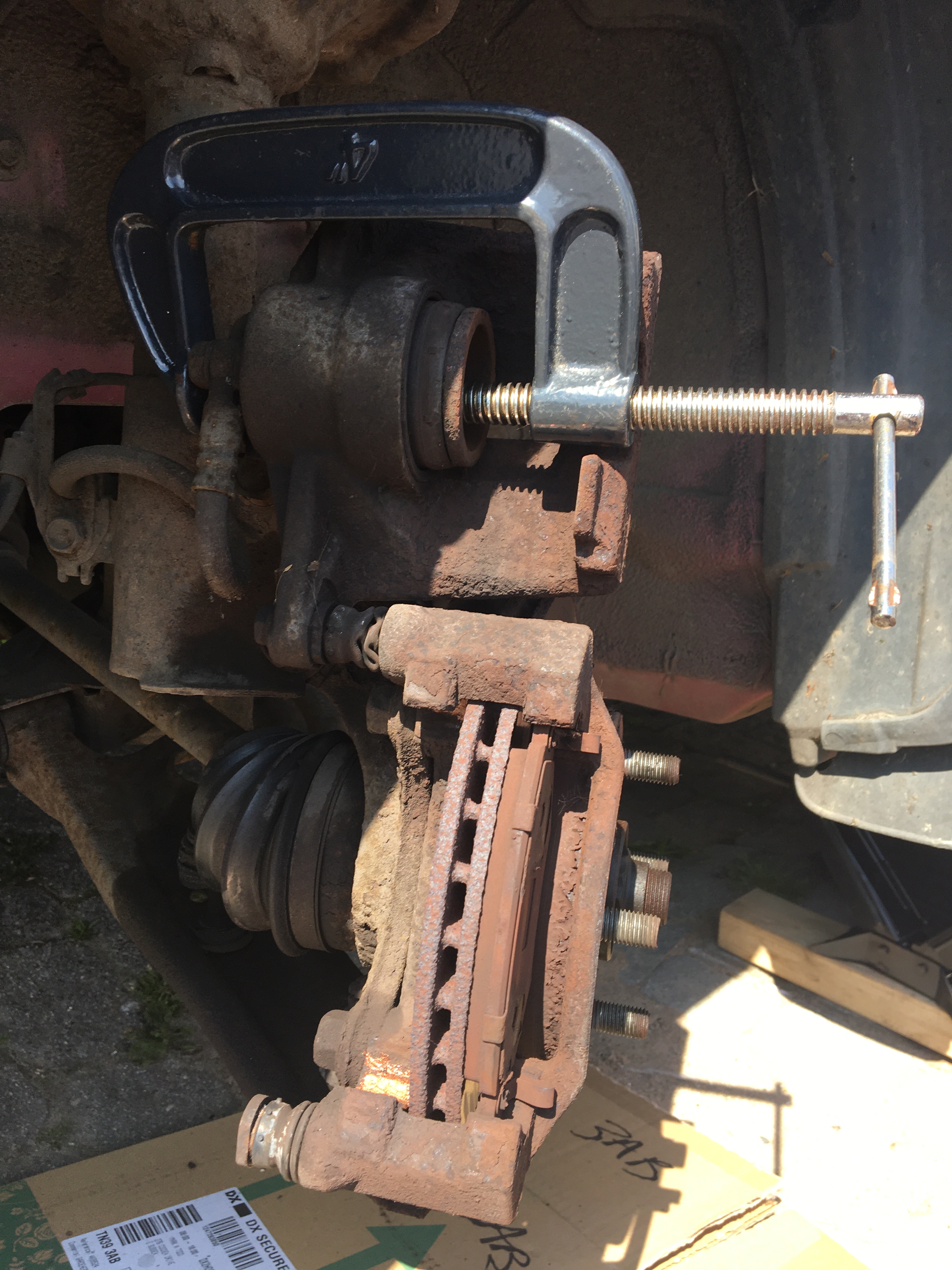
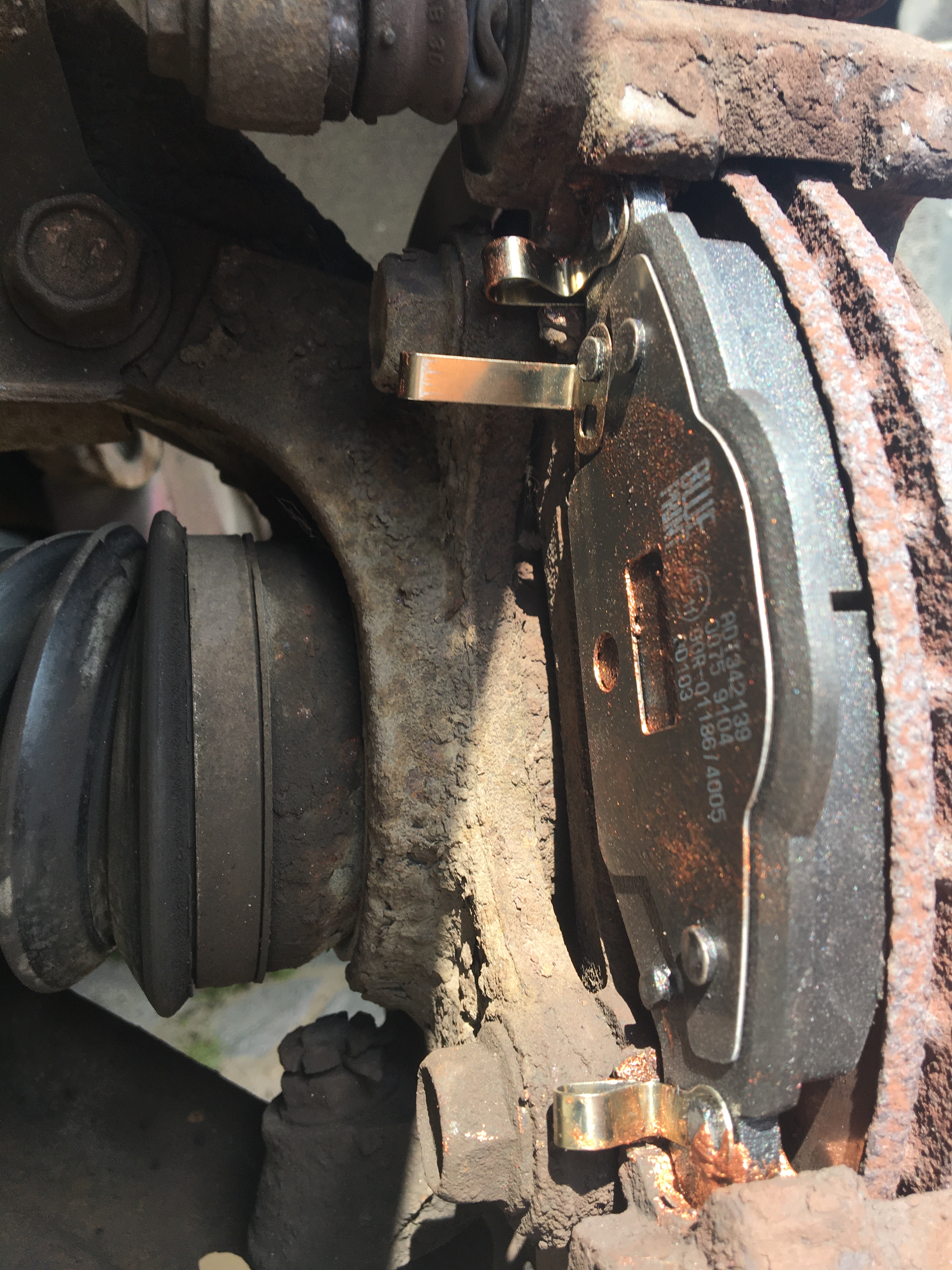
Same car front brake pad replacement;

Car jacked, wheel off and steering turned full lock for easier access to calliper …
Calliper swung clear and trusty g-clamp used to push piston back …
New pad installed on driveshaft side …
Both new pads installed in cleaned and ‘copper slipped’ guides

My Daughter’s 2003 Toyota Yaris with over 125,000 miles on the clock developed an idle problem. It would hunt and stall at tickover, in traffic, at traffic lights etc. Perfectly fine starting and driving, but at idle something wasn’t right.

So I ‘Googled’ and searched YouTube and it seemed (as it often does) that this is a common problem that many makes and models of petrol engine cars of a certain age suffer from. And the culprit is the ‘Idle Control Valve’ located in the ‘Throttle Body’ … so I went in search and found the little devil;

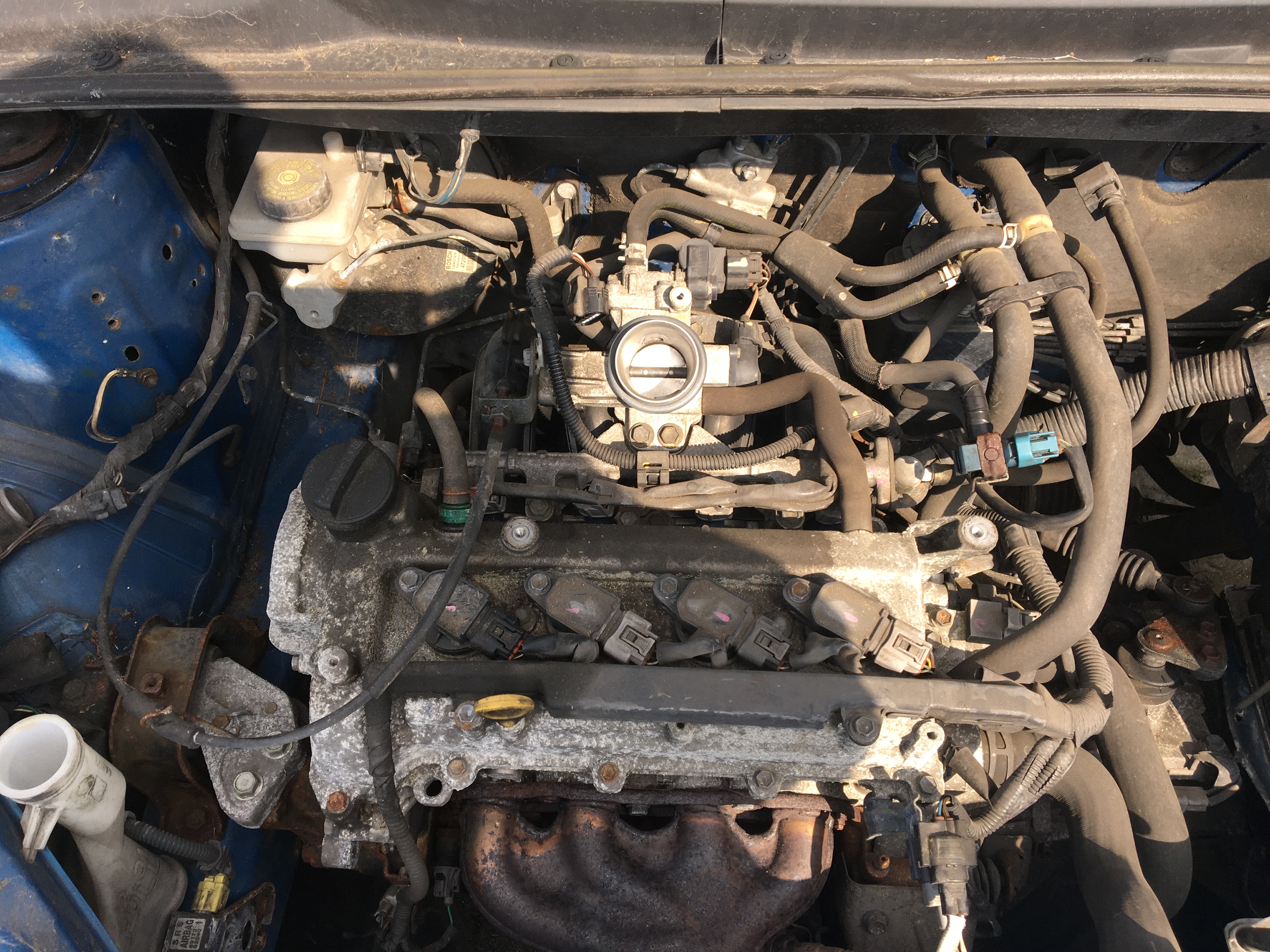
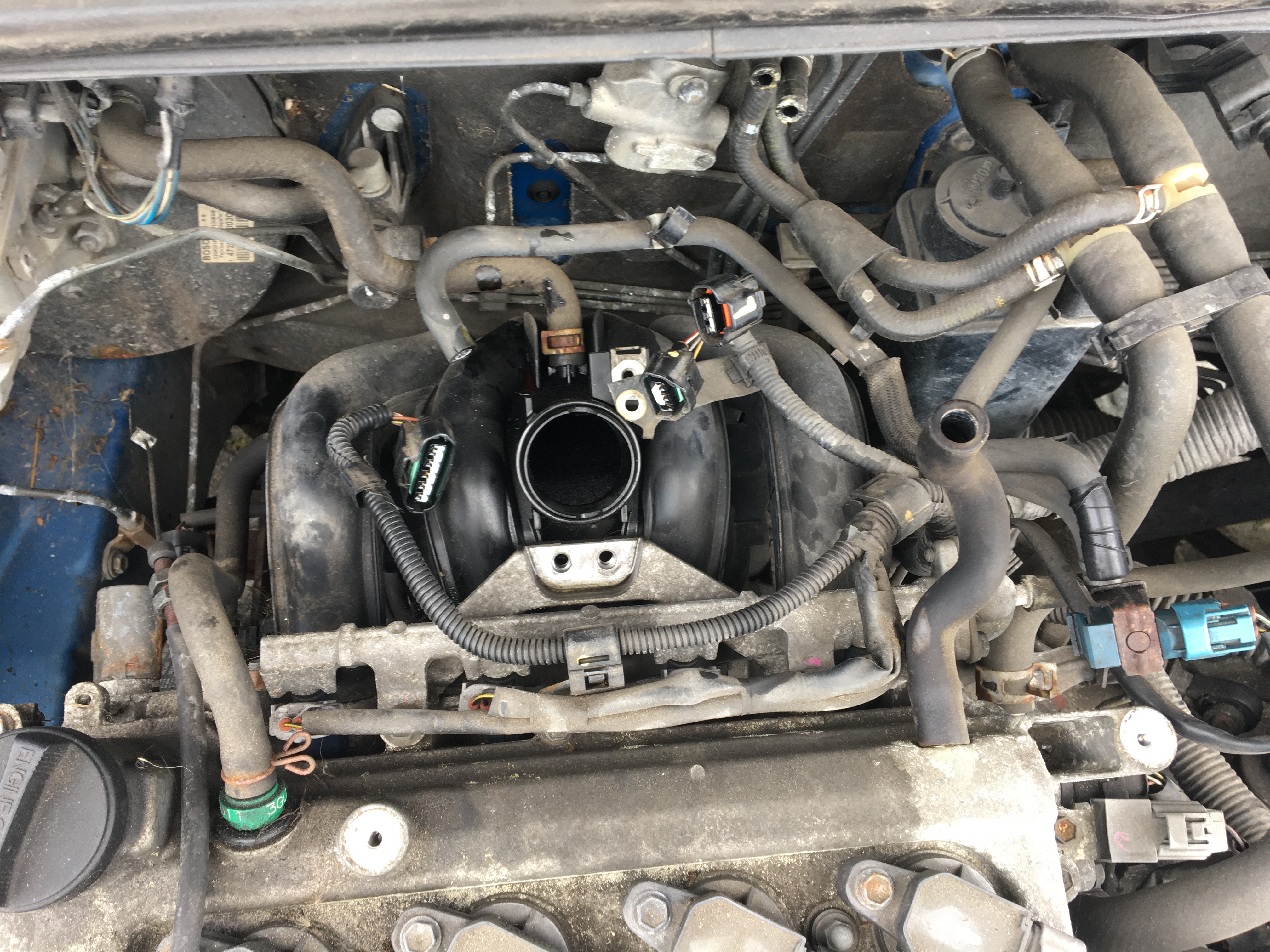
Above is the engine with the Airbox removed, the airbox connects to the Throttle Body which is that circular opening you can see near the top centre of the picture …

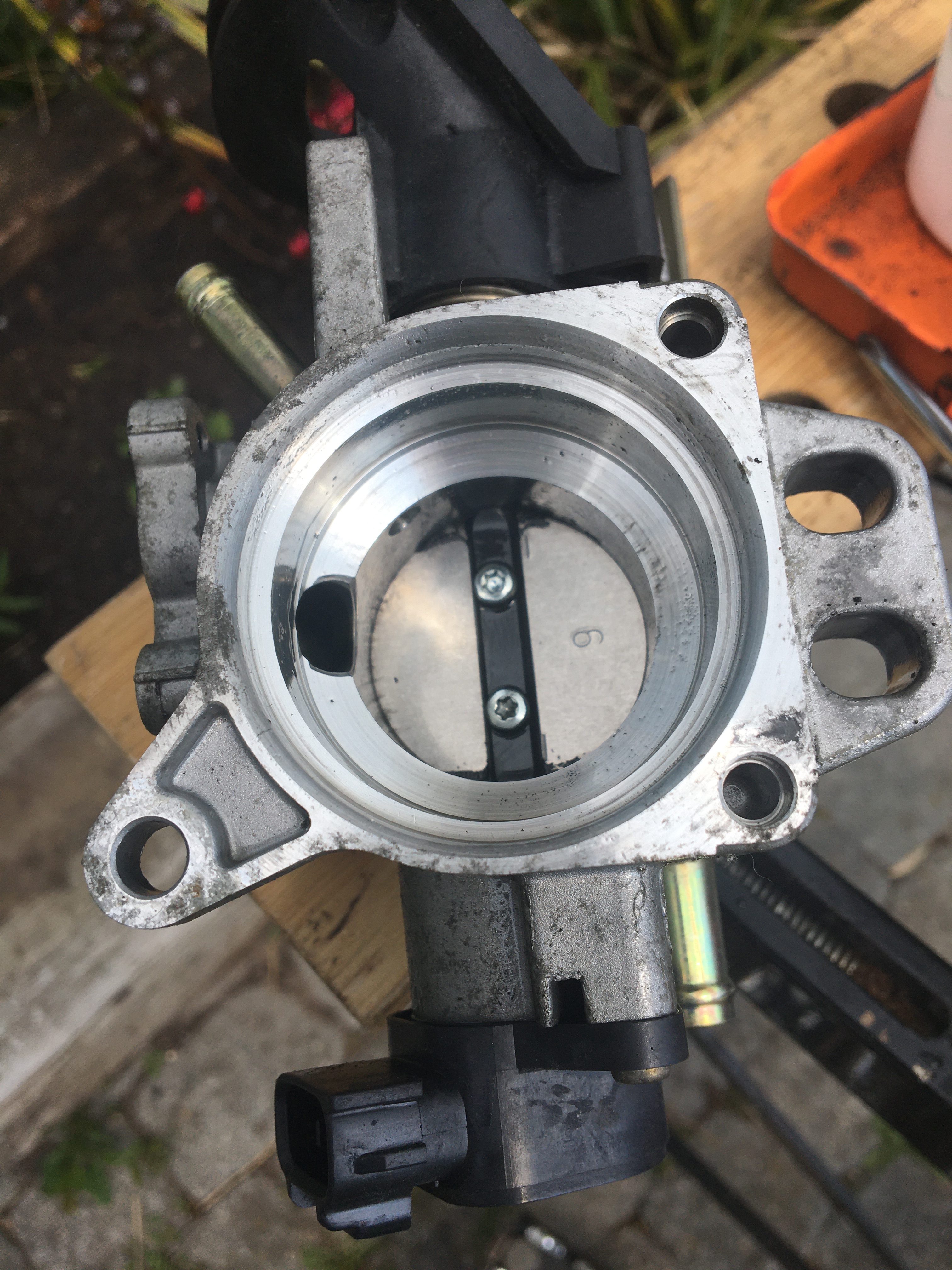
Close up of the Throttle Body with the butterfly valve (operated by the throttle cable) closed …

There are several electrical plugs to unplug, also 2 rubber pipes that run coolant to the throttle body which may leak a little coolant so be prepared …

Here’s the Throttle Body removed …

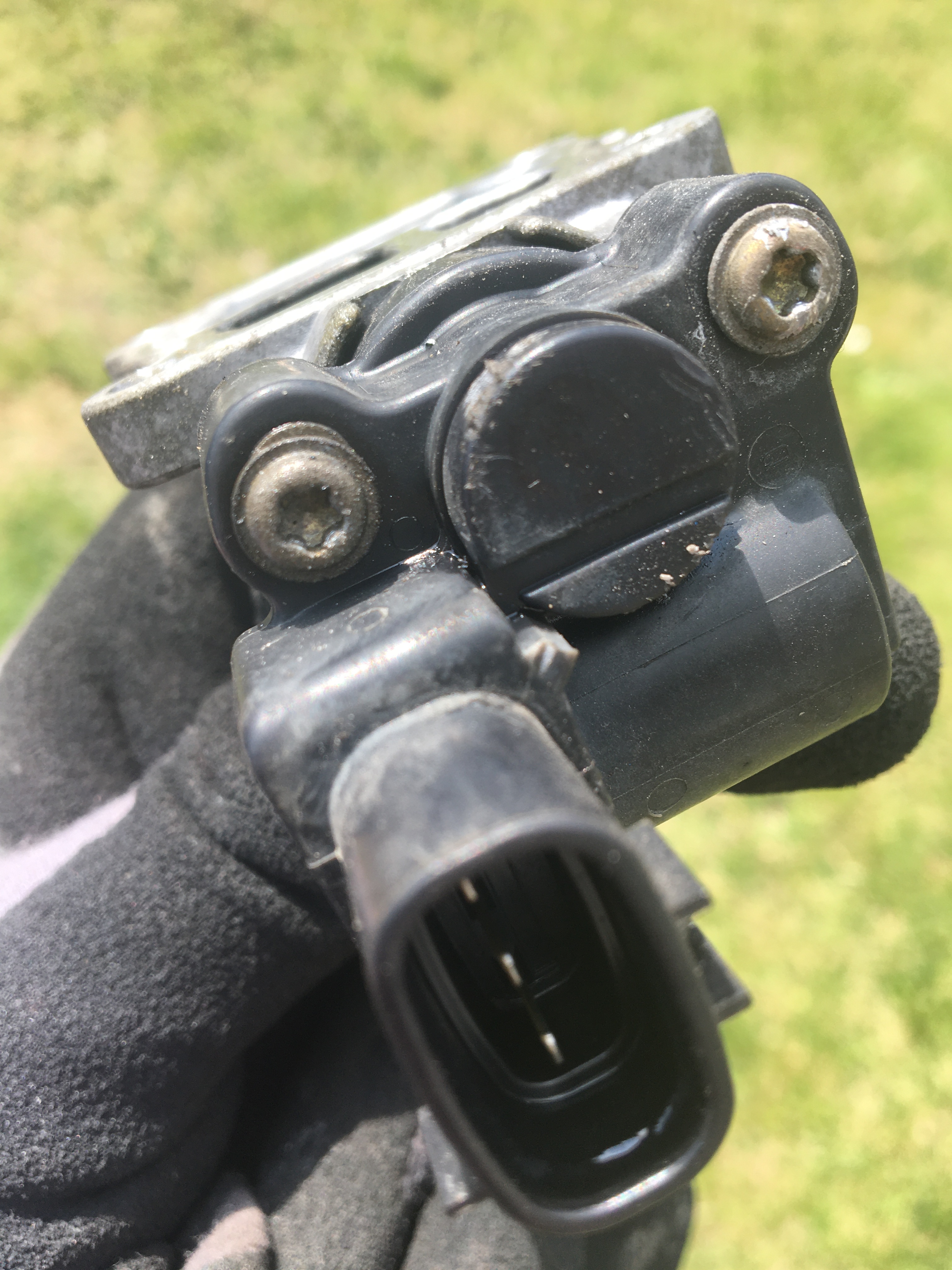
The Idle Control Valve is held on with 4 screws …

… Here it is removed and I’d have liked to have removed the Idle valve itself but it is held on with these tamper proof ‘5 point star’ type screws which I do not have a tool for … oh well …

… The valve itself is a cylindrical shape with a cut out and is turned by a servo motor controlled by the ECU. As I suspected, it was filthy and clogged with oil and gunge! A good spray with Carb Cleaner, an old toothbrush and some patience and persistence had it a lot cleaner!

More Carb Cleaner, cloth and toothbrush action had the Throttle Body itself nice and clean, ready for re-fitting.

Re-assembly was just the reverse of the disassembly seen above. With all pipework and electrical plugs replaced, coolant level checked, it was time to start the engine — Yay! Success! The idle is good, no more hunting or stalling 🙂

Cost of parts £6.05 (for can of Carb Cleaner) £0.00 for Labour, £Priceless sense of achievement, reward and Mindful Wellbeing