Green Hydrogen

Clean electricity generation from wind and solar has been and is continuing to be spectacularly successful. Wind will keep pumping out the gigawatts at night when the demand is low, and solar will produce excess electricity during the summer daylight hours, again when demand is relatively low, domestically at least.

Production of ‘Green Hydrogen’ is very energy intensive so it seems logical to me to use the wind, solar, hydro surplus to produce and store hydrogen.

Here’s an interesting video about Green Hydrogen;
The ‘Holy Grail’ of Green Energy – Energy Storage …

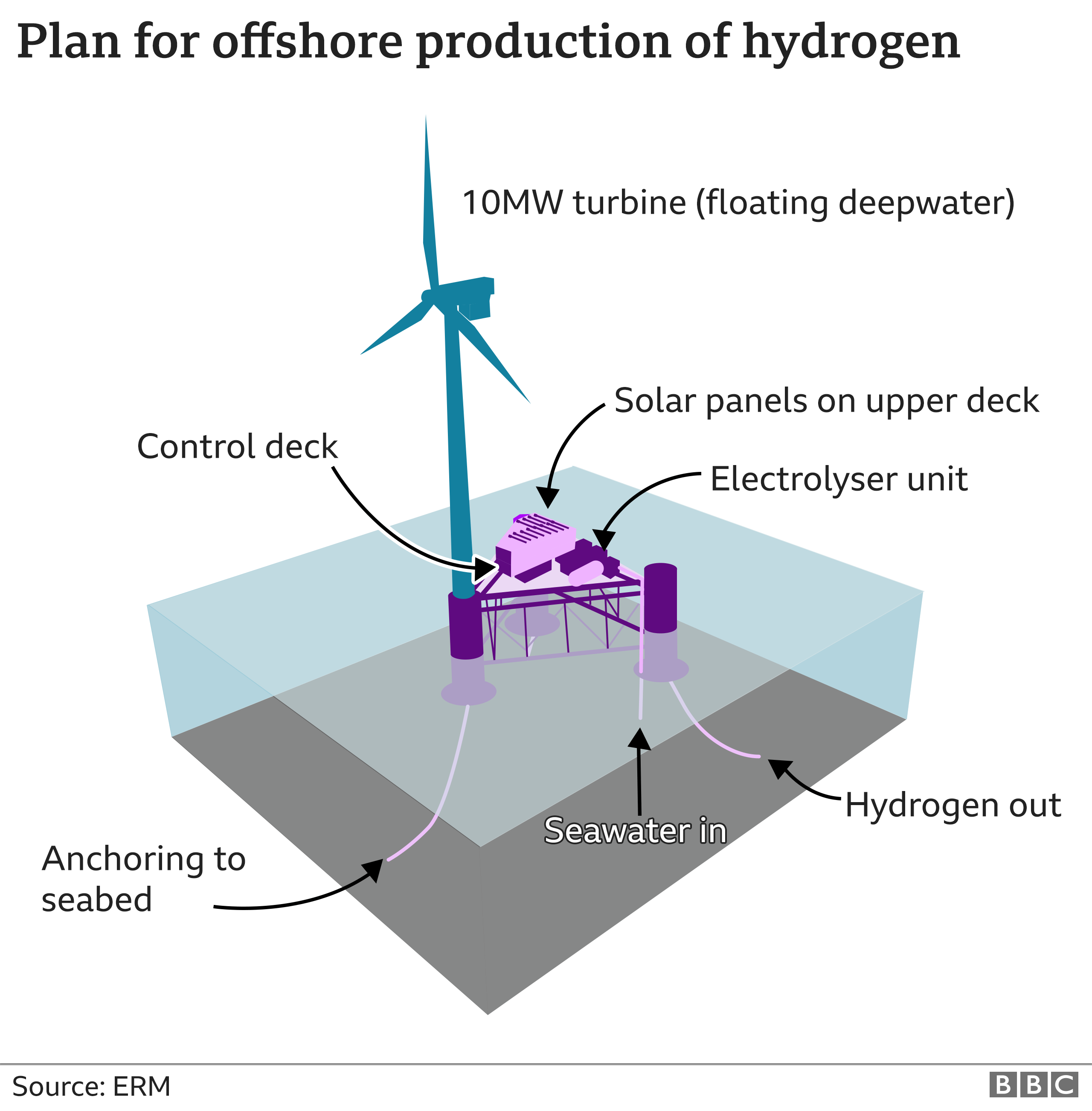
… What would be even more impressive would be to use excess wind generated electricity to produce Hydrogen, a green, clean gas that can use existing infrastructure. Even domestic home heating boilers can be converted to run on Hydrogen.

Last year was a record breaker for the UK’s wind power industry.

The idea of using excess wind energy to make hydrogen has sparked great interest, not least because governments are looking to move towards greener energy systems within the next 30 years, under the terms of the Paris climate agreement

Hydrogen is predicted to be an important component in these systems and may be used in vehicles or in power plants. But for that to happen, production of the gas, which produces zero greenhouse gas emissions when burned, will need to dramatically increase in the coming decades.

Read more: The global race to produce hydrogen offshore

The plan to turn UK hills into green ‘batteries’ …

Some Positive News for a Saturday –

The UK’s hills and mountains could soon be the high point of green energy innovation after engineers revealed plans to turn them into ‘batteries’ to store renewable electricity in. And the best bit? According to the brains behind the initiative, it can be done without spoiling the scenery.

The shift towards clean energy isn’t just inspiring far-out innovations, it’s also saving lives. A report released this week estimated that by 2040, net zero-compliant policies would prevent millions of deaths annually from air pollution, inactivity and poor diet. “The quality of life for millions more will be improved through better health,” added the authors.

Borrowing technology from traditional hydropower plants, the project would use excess green energy to pump water uphill via underground pipes. The water would then be released and flow downhill over generating turbines, when demand for electricity was higher.

Read More on ‘Pumped Hydro‘…

Plan to turn UK hills into batteries revealed